Items
Search full-text
free fc 26 coins ps4 Visit Buyfc26coins.com Zniżki na duże ilości..C10x
-
 2020-04-06
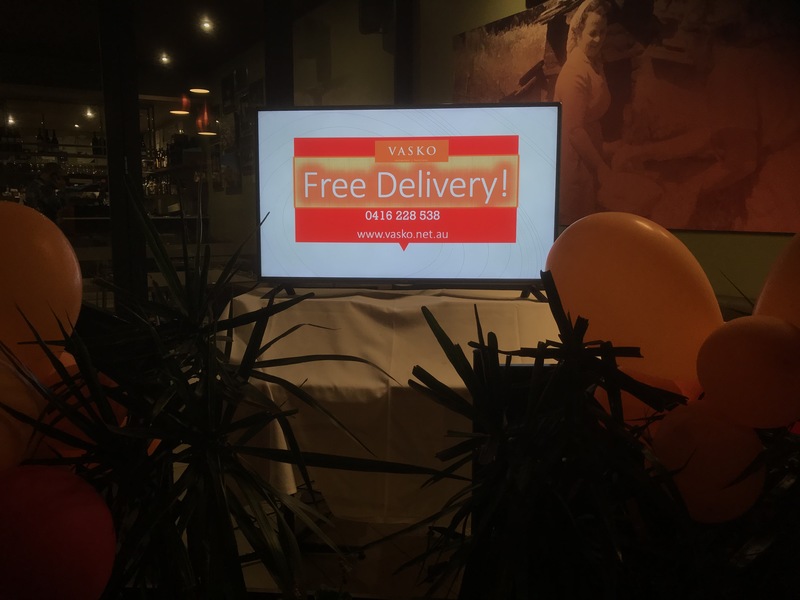
Free delivery
Suburban restaurant Vasko (111-113 Upper Heidelberg Road, Ivanhoe) offering free delivery -
 2020-03-26
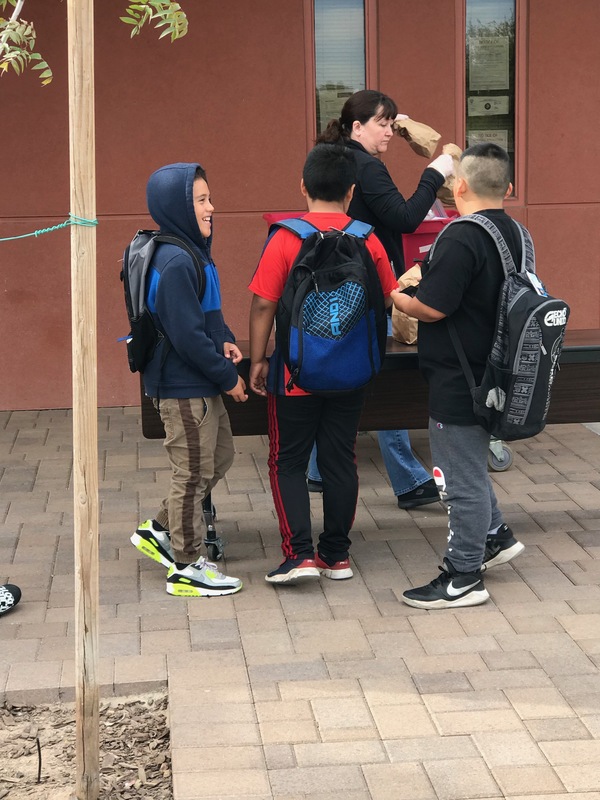
Children pick up free lunch during school closure
Youth under 18 pick up free breakfast and lunch at Scales Technology Academy in Tempe, AZ. -
 2021-07-30
Covid Was Over
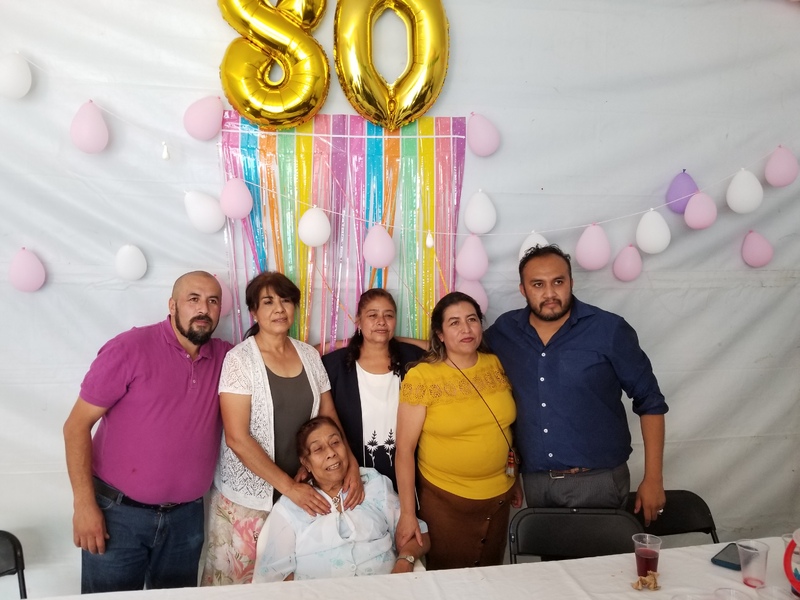
In 2021 my Mom and I planned a trip to Mexico to visit her side of the Family. We had been putting off the trip because of a lack of money and then Covid hit. It had been seven years since my mom had been able to visit her mother and her siblings. At this point in time, travel restrictions and quarantines were largely a thing of the past. People in my area no longer considered Covid to be a threat in the way it was viewed in the early part of 2020. Masks weren’t in common use and people went about as they pleased. Deaths were still rising. By June of 2021 our trip took place. Most of the big travel restrictions had been lifted, but oddly enough America still had testing restrictions for reentry. Mexico, a nation that still cared about limiting the spread of the virus, had no testing or vaccination requirements for entry. We went on our trip and had a great time visiting our family in Mexico City. While staying we decided to visit the Museum of Anthropology in the city center. To enter, we had to go one at a time and be sprayed with some sort of sanitization chemicals by guards in the front. Being a poor Spanish speaker I was afraid I would do something wrong and that they wouldn’t let me enter. Thankfully everything went well at that time. When the time came to leave we had to locate a pharmacy that would do rapid testing for our return trip. America had very specific instructions that only allowed for certain pharmacies to do the testing. This made it very difficult to find one that would work. When we got to the testing site it reminded me of zombie movies. The pharmacy was surrounded by tall iron fences with razor wire at the top. People wanting to be tested were funneled one by one to a testing kiosk. The kiosk itself was a glass paneled box complete with attached glove arms and a ventilation system. The test itself was a simple swab test that was much more painful than I thought it would be. My nose hurt for an hour afterward. On the day of our departure I was nervous that something would not be correct with our records and we would be stopped from leaving Mexico. The person who officially went over our records was in the baggage check in area. She took our documents and didn’t even look at them for one second before handing them back. I was confused but this, since our American travel sites made such a big deal about it. Honestly, we could have easily faked the records to get back into America. Ultimately we got home safe and sound. A little over a month later everything went to hell. My cousin, Aunt, and Abuelita all contracted Covid and were hospitalized. My Aunt and Abuelita passed away from the virus, only my cousin survived. My mom had to deal with the loss of two close family members less than two weeks apart. It felt so wrong, how could they have both died when Covid was over? -
2021-06-20
Norrish First Visit to old Home Post Covid
In the timeframe of the slow lifting of restrictions from the Covid 19 pandemic and shutdown, my family and I were less inclined to engage in travel, at least originally, than we had been before the pandemic. The luxury of just having the freedom to meet with local friends and re-engage in the simple pleasure of taking in a movie at the theater or going shopping at the mall were enough. Eventually, desire to see family that had been cut off from us because of the pandemic encouraged me to take the plunge and fly to visit my sister in my boyhood home state of Wisconsin, a place I had not visited in over twenty years. The plane trip itself was a strange mix of familiar experiences such as checking in my luggage and going through airport security combined with new experiences of wearing a mask in the airplane at all times while regularly using hand sanitizer whenever interacting with people or objects potentially infected with Covid 19. Despite being personally vaccinated, the act of traveling in this way felt both isolating and risky. To be masked up while still being in such a confined area as an airplane after the isolation of staying mostly at home for most of a year felt like a flimsy defense against the potential threat from Covid 19. Isolation from one another still seemed to be the new norm for people, with minimal conversations between strangers. Otherwise, the flight itself was uneventful. Once in Wisconsin, my sister and I spent most of the time visiting locations of my childhood. Places such as our former family farm now owned by a distant cousin, or the creek I learned to swim in or the elementary school I had attended before moving away to Arizona, which had been turned into a recycle center that looked more like a dump than a school. Much of our time was spent talking and reminiscing about the past. Essentially reconnecting in person rather than through text messages or the occasional Zoom call. When we traveled to more public locations such as restaurants, a local baseball game, or Fourth of July fireworks, it was apparent that despite health protocols being strictly followed in locations like airports, local mask regulations had been greatly relaxed. While essentially all staff members were wearing masks, the majority of patrons tended to be without masks. While hand sanitizer was available in the restroom, it seemed fewer and fewer people were using it. It was once again a strange combination of familiar experiences such as ordering a meal with the overtone of pandemic restrictions such as staff masks hovering over your shoulder like a ghost, present but less and less substantial. Overall the trip itself was enjoyable, but was mostly an opportunity to reconnect with family while at the same time reassuring myself of the relative safety to be able to travel once again. Eventually, as more restrictions were removed and the increased access to vaccines made Covid 19 less of a fear and more of a nuisance, other family trips to tourist destinations such as San Francisco or Disneyworld became once again a normal part of travel for myself and my family. But my first trip after restrictions began to relax, there was definitely a reminder that the reality of Covid still hovered over our heads, even as we began to move closer and closer to new normal in our post-Covid world. -
2021-12-22
Charleston, South Carolina 2021 Christmas Trip
After COVID travel restrictions were lifted, my family and I seized the opportunity to visit Charleston, South Carolina to spend Christmas with my cousins. Despite the chill of December, we were able to explore the historic town at our leisure. While some shops remained open, their hours were adjusted due to the holiday season and COVID precautions. Similarly, many restaurants offered a limited menu, which disappointed my sister and me as we are both picky eaters. During our visit, we made sure to visit Magnolia Plantation and Gardens, a renowned historic house with beautiful gardens and one of the oldest plantations in the South. However, due to COVID, several attractions within the plantation were closed. It was also mandatory that we follow the necessary safety measures by wearing masks around other groups of people and inside the gift shop. Despite the limitations imposed by COVID, my time in Charleston was truly wonderful. I had the opportunity to immerse myself in the city's rich history, even if I couldn't fully explore all the places and shops as I had hoped. But most importantly, I cherished the moments spent with my family during this special holiday trip. -
2023-07-13
My trip to Xinjiang
For myself and many others in China, people were faced with policies and travel restrictions that were put in place due to the Covid19 pandemic. These policies and restrictions included, but were not limited to: quarantines, frequent nucleic acid tests, scanning a code in order to enter all sorts of places, and working from home. These covid policies and travel restrictions were finally, and fully, lifted this past winter, in January of 2023. This summer would be the first chance my family and I have to travel, and we will actually be starting our trip tomorrow, on July 13, 2023. As this is the first summer after covid policies were lifted, I’m expecting many places to be crowded. My wife has already done some research and has come across some videos on social media that shows some scenic spots that are crowded. As for the trip, we will be going on a road trip to Xinjiang, which is China's westernmost territory. We chose this place because we have never been there and have always wanted to visit. It is supposed to be one of the more beautiful places in China. While we will visit some urban locations, they will not be our primary focus as we are more interested in natural scenery. We’ll be starting out trip tomorrow, on July 13, 2023 and will be driving to areas in regions around Urumqi, Xinjiang. Among the places we will visit are Turpan, Sayram Lake, and Tekesi Bagua City. After that, we will drive back to Beijing, stopping at various places along the way and spend a few days in each place. Along the way, we plan to take many pictures and buy some souvenirs. My children might also have to write about the trip as well for an assignment for school. -
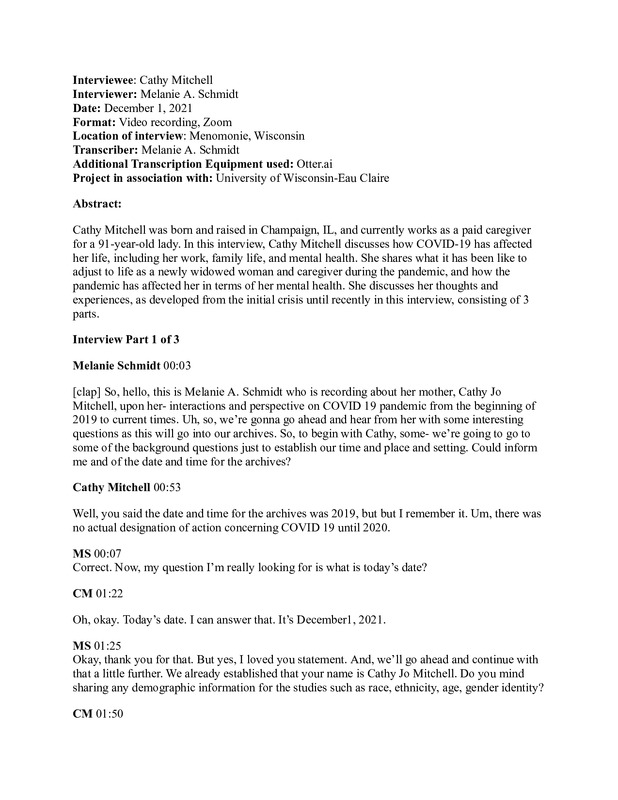 12/01/2021
Cathy Mitchell Oral History, 2021/12/01
Cathy Mitchell was born and raised in Champaign, IL, and currently works as a paid caregiver for a 91-year-old lady. In this interview, Cathy Mitchell discusses how COVID-19 has affected her life, including her work, family life, and mental health. She shares what it has been like to adjust to life as a newly widowed woman and caregiver during the pandemic, and how the pandemic has affected her in terms of her mental health. She discusses her thoughts and experiences, as developed from the initial crisis until recently in this interview, consisting of 3 parts. -
2022-03-18
6 Ways Covid-19 Has Impacted My Daily Life
The biggest change for me since COVID-19 became a fixture in my day-to-day life is transferring permanently from a physical classroom to a virtual one. Teaching online has its own unique set of challenges in addition to the ones that it shares with classroom teaching. While I personally do not find teaching online to be as satisfying or engaging as the physical classroom, I am hesitant to return. I hear from colleagues about the behavioral issues, the lack of motivation, and the additional stresses placed on teachers by administration. While these are things I also deal with in a way in an online environment, compounding them with the potential risk of COVID when I have immunocompromised loved ones isn’t worth the risk for me at this time. Another big change in my routine is using more delivery services than I did before March 2020. I started ordering groceries through Instacart to avoid having to go the stores after experiencing the chaos more than a few times. Even though grocery stores have calmed considerably, and the shelves remain stocked with most in-demand supplies, I still use Instacart for shopping and having my groceries delivered. Some of this is convenience, but I think that the pandemic has simply changed the way I deal with groceries for the time being. At some point, I will more than likely return to the grocery store to resume shopping in person, but for now using delivery services will remain my weekly routine. Since the pandemic relegated many people to quarantining and spending more time at home, working and going to school virtually, I have noticed that I am not as social as I used to be. While I’ve never been a very sociable person, I’ve noticed that, not only do I not crave social interaction outside of my family and close friends as much as I used to, I have to “prepare” myself for social gatherings and interactions. I have more social anxiety than I ever thought I would and going to events where I may have to hold long conversations revolving around “small talk” make me anxious and tired. I hope that I am able to work through this over time as things become more open and social gatherings and events become more common, but it is another way in which the pandemic has affected me most. When I would leave the house prior to 2020, there were certain items I made sure I had: keys, sunglasses, purse, water bottle. A change to this routine now includes making sure I have a mask in my purse and masks in my car. It’s interesting to note that they have become both a physical and symbolic item in everyday life. Yet, as we all know, it’s an item that is important to have to make sure I am prepared in the event a business requires it or I’m interacting with places and people where it’s smart to wear one. To expand on the symbolism of the mask, another example of change in my life is interacting with anti-mask strangers who think they have an obligation to comment on or ask questions of people who wear one. My daughter came home a couple nights ago very upset because a customer had been rude to her because she was wearing a mask at work. My daughter is 17 and works in a grocery store. She wears a mask to protect herself and, in her words, “to protect her family”. I’ve noticed that the pandemic seems to have made some people feel like it’s okay to comment on and berate complete strangers on personal health decisions like it’s their right. Being socially distanced for months has made some people forget their manners or maybe it’s simply brought out the worst in them. Either way, the idea that a grown man might get in a teenager’s face at the grocery store over something that is none of their business and affects them in absolutely no way, is a startling shift in how people interact with one another since this all began. Lastly, COVID has not been kind to those working in the healthcare profession, and certainly it has made visiting people who are in the hospital much more restrictive. Last September my husband was hospitalized with a collapsed lung. Visiting policies essentially made it so that one person per day could visit him. Where previously I, his parents, children, and siblings might have been able to visit him, now it only made sense for me to be the one since I could bring him what he needed, talk with his doctors, and update everyone else. This most recent February, my mom was hospitalized for a serious health concern. During her entire stay, I was not able to visit her because it was most sensible for my dad to be there for her and ensure he could bring her things from home to make her comfortable. I was able to send flowers to brighten her room, but still the one visitor per day policy held firm. Last night my mom was readmitted to the hospital for health issues related to her previous issue. My dad stays with her all day, and I am not able to because of the visiting policy. It’s frustrating and heart breaking to not be able to see her and be there for her – and to also be there for my dad who needs support and time to recharge as well. The pandemic has highlighted so many privileges and everyday things that were once taken for granted – things most people (including myself) never even thought about. -
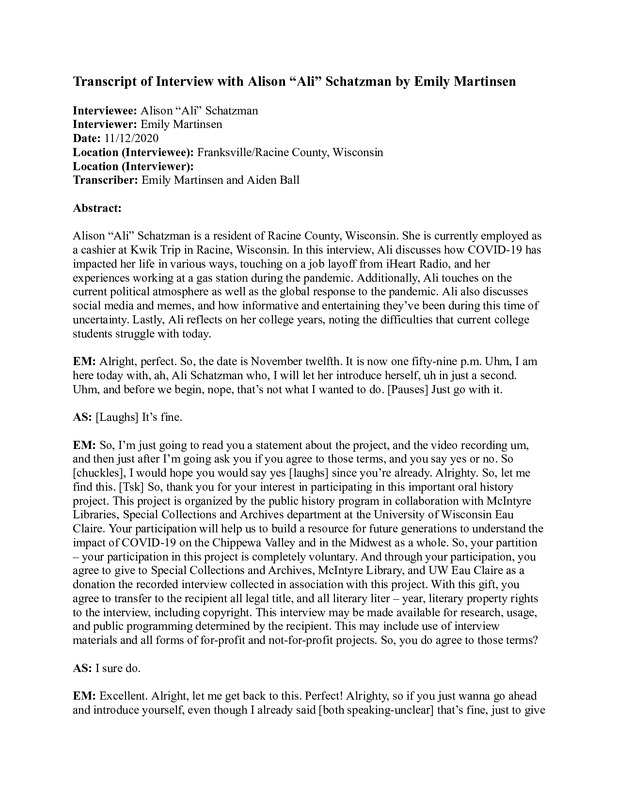 11/12/2020
Alison Schatzman Oral History, 2020/11/12
Alison “Ali” Schatzman is a resident of Racine County, Wisconsin. She is currently employed as a cashier at Kwik Trip in Racine, Wisconsin. In this interview, Ali discusses how COVID-19 has impacted her life in various ways, touching on a job layoff from iHeart Radio, and her experiences working at a gas station during the pandemic. Additionally, Ali touches on the current political atmosphere as well as the global response to the pandemic. Ali also discusses social media and memes, and how informative and entertaining they’ve been during this time of uncertainty. Lastly, Ali reflects on her college years, noting the difficulties that current college students struggle with today. -
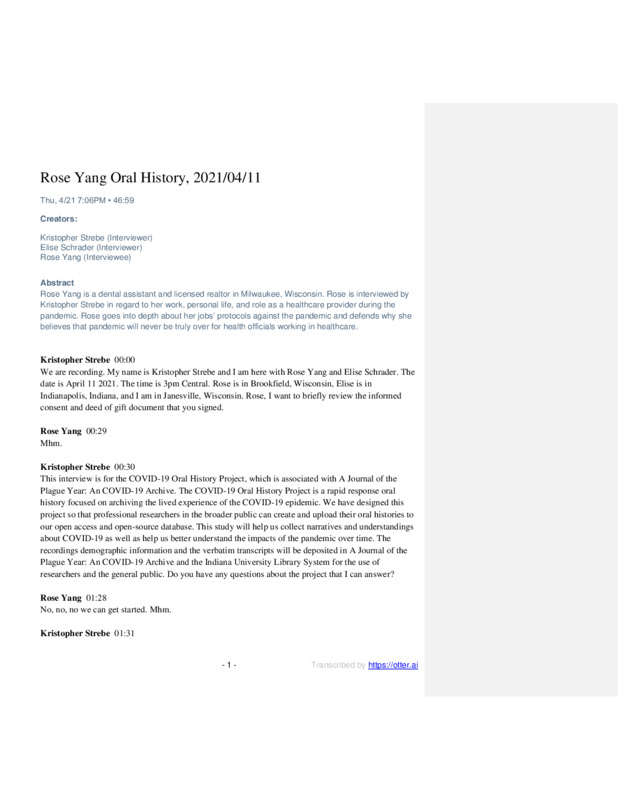 05/02/2021
Yang Rose Oral History, 2021/04/11
Rose Yang is a dental assistant and licensed realtor in Milwaukee, Wisconsin. Rose is interviewed by Kristopher Strebe in regard to her work, personal life, and role as a healthcare provider during the pandemic. Rose goes into depth about her jobs’ protocols against the pandemic and defends why she believes that pandemic will never be truly over for health officials working in healthcare. -
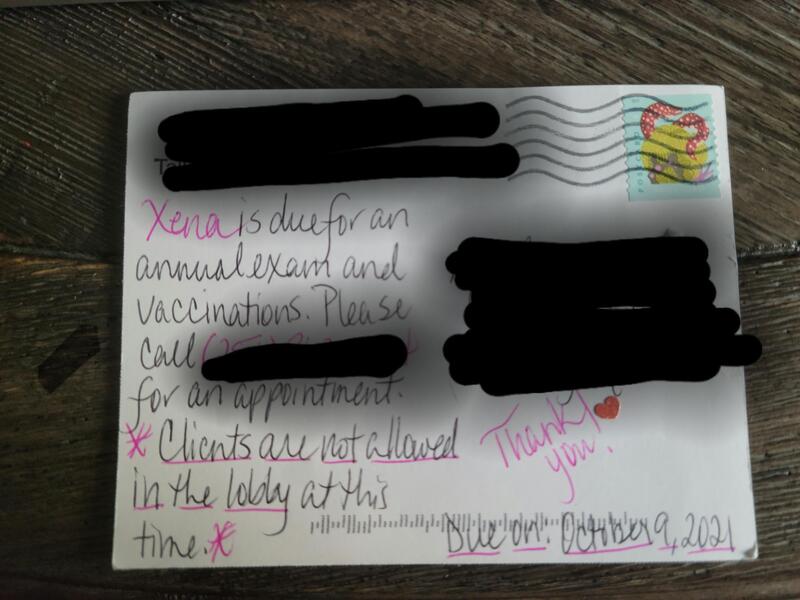 2021-10-06
Vet Visit During the Pandemic
My dog has her yearly vet appointment coming up and this arrived in the mail. It says clients must stay outside and someone from the office will collect your pet. That's fine but when you have a giant 80 pound dog full of anxiety like I do, it isn't going to be an east task for them. Previously, one person was allowed to sit and wait while their pet received treatment because they spaced out their appointments accordingly and it wasn't an extremely busy place anyway. The room where the pets go for their check-ups was pretty close to the door so I would always talk to my dog to calm her down. I won't be able to do that for this visit and it's making me anxious because I know my dog will be upset. This is the vet's procedure and we have to follow it no matter our feelings. I know she'll be okay but it still makes me nervous. -
 2021-02-11
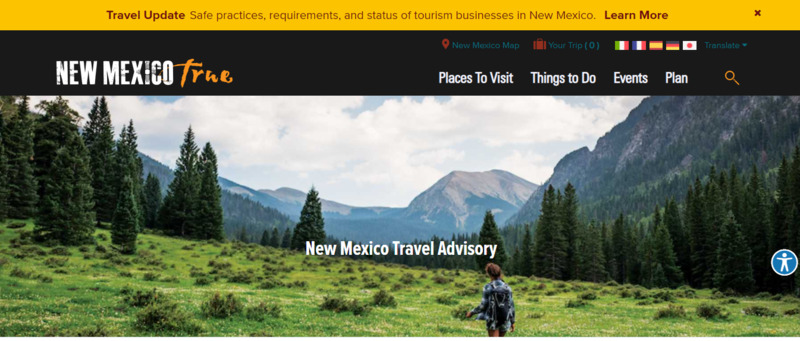
New Mexico Tourism Department: Tips for Healthy & Safe Travel In New Mexico
Tips for Healthy & Safe Travel In New Mexico During this time, the New Mexico business community is implementing additional COVID-Safe Practices at their establishments to help ensure the health and safety of their customers. Below are some of the additional safety measures you can expect and plan ahead for when visiting New Mexico’s businesses, restaurants, and attractions. For more information on the status of COVID-19 in New Mexico, please visit the New Mexico Department of Health. red alert NOTICE FOR ALL TRAVELERS: Effective February 11, New Mexico will no longer require self-quarantine for visitors arriving into the state from "high-risk" states. Visitors from anywhere outside of the state will instead by strongly advised to self-quarantine for a period of 14 days and to seek out a COVID-19 test upon their arrival in or return to New Mexico. NOTICE FOR ALL TRAVELERS: Face coverings are required for all visitors and residents in New Mexico. The only exceptions are when drinking, eating, or under medical instruction. Any individual found in violation may face a $100 fine. Guidelines for Travel in New Mexico If you are traveling to New Mexico, please follow all safety guidelines and restrictions. Local governments may impose more restrictive guidelines so be sure to check local instructions before traveling. Please be mindful of the following general guidelines for travel to and within the state of New Mexico: Effective December 2, guidelines and restrictions in New Mexico have moved to a county-by-county basis. Please consult the county map from the New Mexico Department of Health to learn more about specific county restrictions Effective February 11, New Mexico will no longer require self-quarantine for visitors arriving into the state from "high-risk" states. However, visitors from anywhere outside of the state are strongly advised to self-quarantine for 14 days and seek out a COVID-19 test upon their arrival in New Mexico Everyone is required to wear a face covering in public in the state of New Mexico. The only exceptions to wearing a face covering are eating, drinking, or medical requirements. Drive-in events may operate in accordance with COVID-Safe Practices. Effective February 24, 2021, Casinos, Entertainment Venues, and Recreational Facilities may operate in accordance with COVID-Safe Practices within the county-by-county framework. COVID-Safe New Practices at Hotels, Resorts & Lodging Please note that guidelines and restrictions in New Mexico have moved to a county-by-county basis. Please consult the county map from the New Mexico Department of Health to learn more about lodging operations for specific counties. Please note these changes to hotel and lodging operations: Lodging establishments will adhere to the enhanced cleaning procedures outlined by the American Hotel & Lodging Association’s Stay Safe Enhanced Industry-Wide Hotel Cleaning Standards. Comfort items and appliances such as coffee machines, irons, hair dryers, extra blankets, etc. may be provided upon request. Housekeeping shall only provide cleaning service during a guest’s stay upon request by the guest. Multiple guests per room are to be limited to “same households” only (individuals who live within the same place of residence). If food service is provided onsite, room service is encouraged as a first option for guests who would like food service with food carts being left at guest’s door to minimize contact. Self-serve food bars and refreshments such as water, coffee, ice, etc. will be closed or removed. Hotel staff can provide these services upon request. Valet service will be suspended. Safe Dining Please note that guidelines and restrictions in New Mexico have moved to a county-by-county basis. Please consult the county map from the New Mexico Department of Health to learn more about restaurant operating procedures for specific counties. Here are some of the COVID-Safe Practices and enhanced health and safety practices recommended by the Food and Drug Administration and the CDC that you can expect to be in place to keep customers safe while dining at New Mexico’s restaurants: In an effort to support contact tracing, restaurants will be required to retain a daily log of all customers and employees who enter their establishment. All customers are required to be screened for COVID-19 symptoms through a questionnaire upon entry of the premises. Reservations, dining parties and private events may not exceed the mass gathering definition. Reusable items such as menus and condiment containers left on tables will be cleaned and sanitized after each use. Items that cannot be cleaned and sanitized after each use will be replaced with single-use items. Animals and pets, excluding service animals, will not be permitted inside the establishment, onto patios, into stores, or other such areas. Responsible Outdoor Recreation Effective February 24, 2021, New Mexico State Parks will be open for day use hours to all visitors. Effective February 27, camping will reopen to all visitors by reservation only. While many parks are reopening, services, activities, and hours of operations may be limited so please consult the current Conditions and Alerts page for each park. Please be aware of the following safety and health guidelines currently in place: Group sizes vary by county, so check the status of the county before traveling to a New Mexico State Park Wearing a mask or cloth face covering is mandatory in public settings Maintain a 6-foot distance between people Visitors are strongly encouraged to carry their own sanitizing supplies and PPE Comfort Stations and restrooms are closed to reduce close contact Vault toilets at some State Parks will be available Check with the National Park Service website for more information on openings, amenity availability, and best practices. Safe Retail Shopping Please note that guidelines and restrictions in New Mexico have moved to a county-by-county basis. Please consult the county map from the New Mexico Department of Health to learn more about retail operations for specific counties. Here are some of the safety guidelines required from New Mexico’s retailers to keep customers safe: High-touch items such as doors, fitting rooms, and credit card terminals will be cleaned and disinfected once every two hours (or more frequently). Safety protocols that allow for contactless curbside pickup and home delivery whenever possible will be established. Signs, stanchions, and/or floor decals will be utilized wherever possible to support 6-foot social distancing, including one-way aisle traffic, and separate entry/exit. COVID-Safe Practices for Museums and Cultural Sites Museums with static displays may operate at limited occupancy in accordance with COVID-Safe Practices. Beginning February 4, state museums and historic sites may reopen under a modified framework. To learn more about the modified operations for state museums and historic sites, visit the Department of Cultural Affairs website. Please contact individual museums and cultural institutions before planning your visit for additional information regarding openings, hours of operations, and available services. Here are some of the safety guidelines required to keep patrons safe: Interactive exhibits and attractions will be discontinued. Use of rental equipment, such as headsets, portable speakers, and strollers will be discontinued unless required for ADA accessibility. Use of coat check areas, lockers, backpack and purse storage, and related storage for public use will be discontinued. Safe Travel Recommendations Outside of the modified 14-day self-quarantine requirement on certain travel to New Mexico (see above), there are currently no domestic travel restrictions to the state of New Mexico. However, visitors to New Mexico should continue to follow the protective measures outlined by the CDC: Wash your hands often with soap and water for at least 20 seconds If soap and water are not readily available, use a hand sanitizer that contains at least 60% alcohol Avoid touching your eyes, nose, and mouth with unwashed hands Put a distance of at least six feet between you and other people Stay home if you are sick, except to get medical care Stay up to date on the latest travel advisories from the CDC, WHO, and the U.S. Department of State -
 11/10/2020
Oral History of a Teacher, Wife, and Mother - Helen Farrar
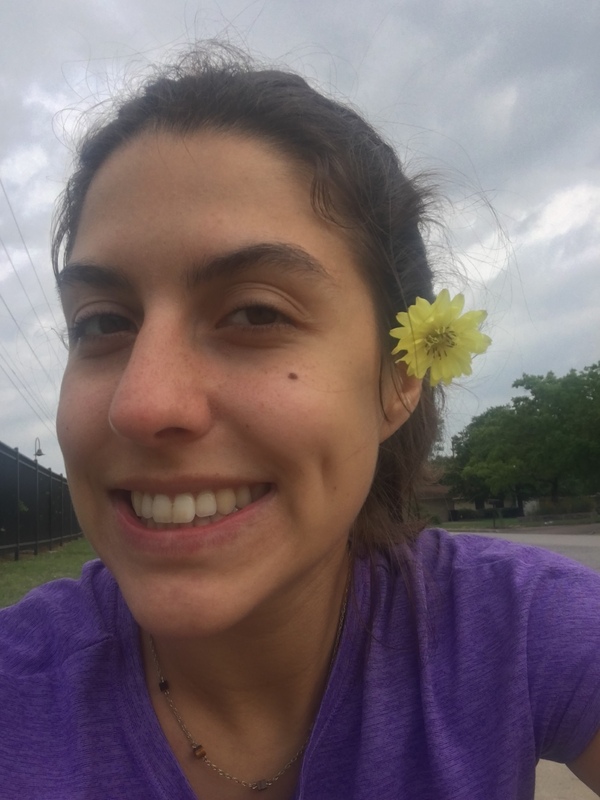
Oral History of Teacher, Wife, and Mother, Helen Farrar about her experience during the pandemic while her husband was activated on the COVID-19 Relief Mission with the Texas Army National Guard. -
2020-07-18
A Trip to a Silent Hospital
On July 18th 2020 in the late afternoon, I started experiencing some concerning not Covid-related symptoms and I made the decision to go to the Emergency Room. I’ve had chronic health issues all my life, so this wasn’t an unfamiliar experience. However, I’d been isolating since March and I was terrified of having to potentially go into a situation that was unknown in the middle of the pandemic. The things I remember most about the visit are how utterly desolate the places in the hospital felt, and how silent it was. I’m used to packed waiting rooms and constant noise. This visit was very different. After a brief screening in a large, mostly empty lobby with large barriers and protective measures in place, they assessed that I was not a potential COVID patient and sent me to a waiting room that I was alone in for most of my visit. There was no real chatter, mostly just silence, broken by the TV. The silence continued even back into the ER, where it seemed that the staff was spread thin. The most notable sounds were occasional low conversations and the sounds of medical equipment being moved around and the beeps and pulses. Even when evaluating me, while warm, the conversations sounded more terse and to the point. Everything moved more quickly. In some ways, it felt like being in an abandoned building. Everything was dark, silent, and empty in the areas where I was. -
 2020-06-30
Welcome Back!
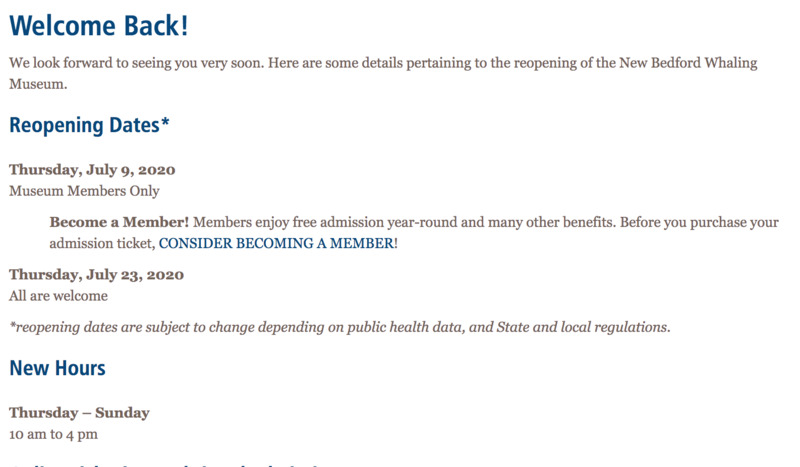
The New Bedford Whaling Museum announces reopening for summer 2020, during the the COVID19 pandemic. The announcement shares details about new hours, opening dates, museum rules, online ticketing and timed admissions, and what visitors should expect during their visit. -
 2020-07-04
4th of July Weekend Sparks Further Protests
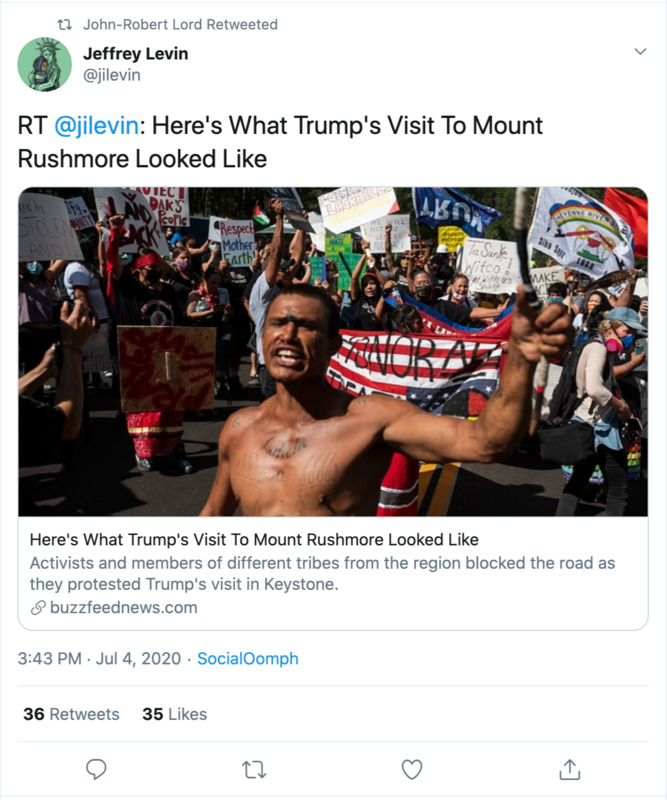
As the 4th of July weekend commenced, different sections of the country were split: quarantine, masks, and social distancing for a fairly quiet holiday or continue on with business as usual. In the tweet, we are invited to view what a 4th of July celebration looked like at Mount Rushmore. There were masks amongst protestors, amongst some attendees, and very few from the President's personal entourage. This item was added TAGS v6.1.9.1. I originally searched under the hashtag #rushmore. Within that search, I have chosen to add the following tweet because it touches on the intersection of politics, health, and public protest. Buzzfeed News Article: (https://www.buzzfeednews.com/article/katebubacz/trumps-visit-to-mount-rushmore-photos) -
 2020-07-01
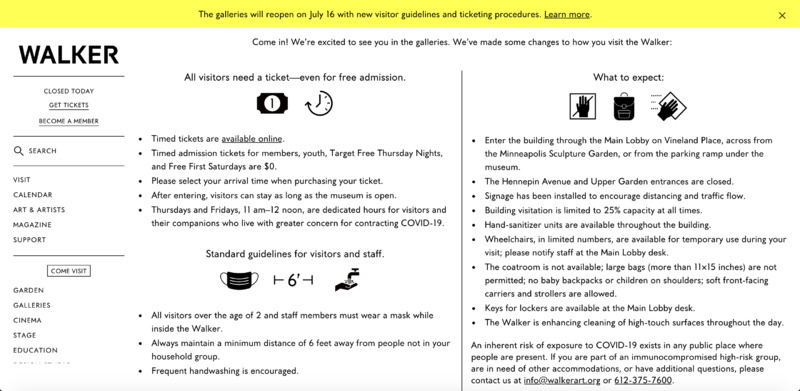
Reopening Plan
Reopening plan published by the Walker Art Center in Minnesota. The plan highlights the precautions taken by the museum as it transitions from complete closure to reopening. Even as cases rise in several states, museums throughout the country are looking to reopen to a limited number of visitors while focusing on social distancing practices. https://web.archive.org/web/20200701142118/https://walkerart.org/visit/visitor-guides -
 2020-06-25
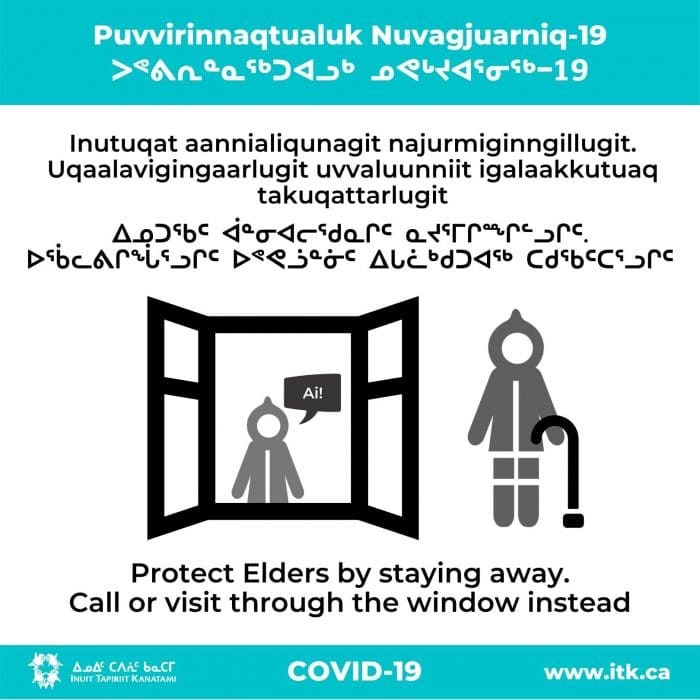
"Protect Elders by staying away. Visit through the window instead." Poster in English and Inuktitut
One of a series of informational posters/infographics produced by Inuit Tapiriit Kanatami (ITK), an Inuit organization, to educate Inuit/Inuk individuals on and to promote health precautions which prevent the spread of the virus. The ITK's resources are among those linked to a resource page created by Ottawa Public Health specifically for Indigenous residents in several indigenous languages and with cultural practices and values in mind. Ottawa has a significant Inuit population (the largest outside the North). The population is further bolstered by the fact that Ottawa is the closest major medical centre for much of the North, particularly Nunavut. As such, many come down to receive significant medical treatment and are therefore placed at a greater risk due to their medical vulnerability, on top of being in more densely populated areas with greater chances of contact with an infected person than they would at home up north. The poster itself shows a figure in traditional dress standing in the foreground with a cane, next to a window through which is peering a second person in traditional dress with a speech bubble which says "Ai!" The text along the top is Inuktitut, in both its own alphabet and roman letters. The text along the bottom is in English and reads "Protect Elders by staying away. / Call or visit through the window instead." -
 2020-05-30
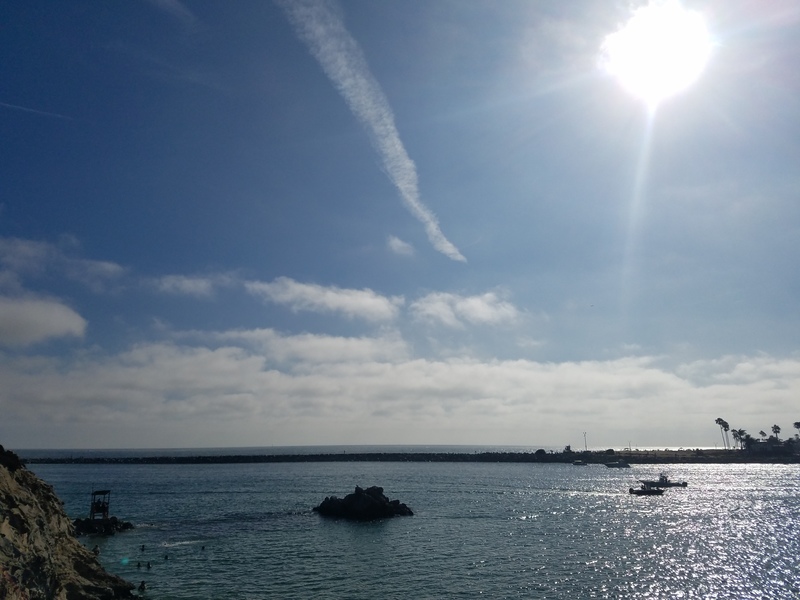
Beach Time
This is supposed to represent how some of my relatives from México were supposed to visit us this year (summer vacation). They finally have the ability to visit us and since they live in the city, center of México, we wanted them to visit the beach for the very first time. -
 2020-05-26
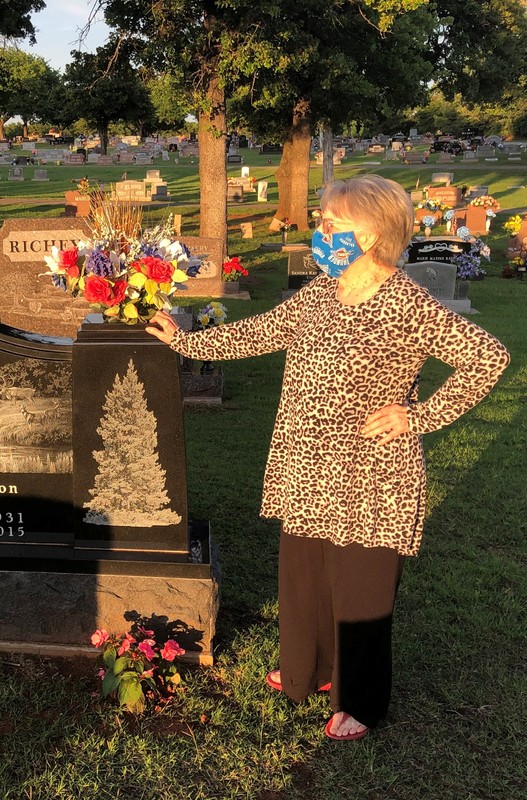
Grandmother Grateful for Opportunity to Visit Husband's Grave for Memorial Day During COVID-19
Jo Ann of Blanchard, Oklahoma visited her husband's grave on 05/26/2020. She was taken by her grandson and his girlfriend to visit his grave. Before the restrictions of COVID-19 set in March, Jo Ann had visited her husband's grave almost daily for over five years. Since the restrictions of the pandemic, she had only visited three times. She said she was very grateful to be able to spend some time with her husband who had been a veteran in the Korean War. Jo Ann said she was looking forward to this pandemic ending so she could resume her normal visits. Submitted for the #ruralvoices collection. Contributed by Clinton P. Roberts, curatorial intern for Arizona State University, HST 580. -
 2020-04-23
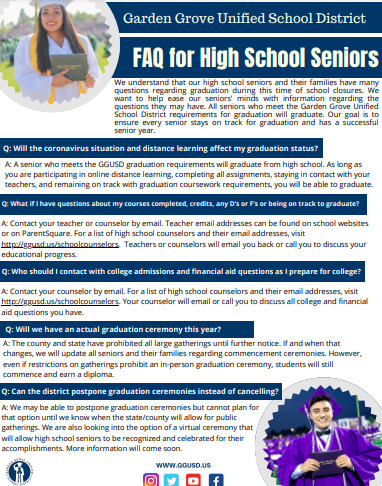
FAQs for 2020 High School Seniors Regarding End of Year Activities
With school closure through the end of the 2019-2020 school year announced, Garden Grove Unified School District sent an FAQ to parents and students to answer common questions. The FAQs regarding graduation are still pending as more information comes from the state. -
 2020-04-26
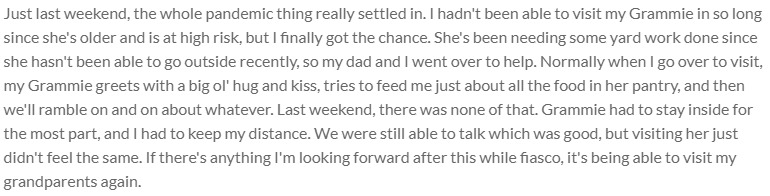
Helping Grammie
Helping Grammie -
 2020-04-20
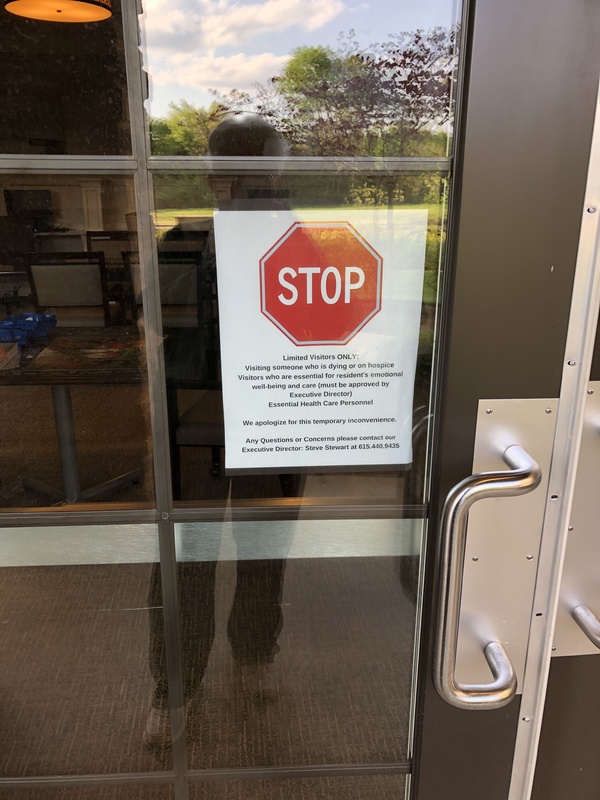
No More Visits
My grandma recently moved into an independent living facility and now I am not allowed to go visit her. If she comes to visit me she will not be allowed to go back to the facility or she will be completely quarantined in her room for two weeks. -
 2020-04-14
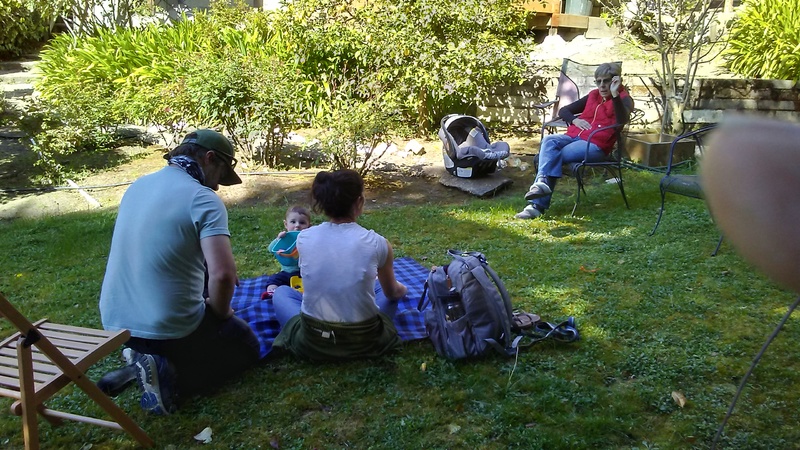
A visit by my daughter, Deborah, my son-in-law Keenan, and my grandson, Griffon Jensen to me and my wife, Ruth, in the backyard of our residence in the Claremont Hotel area of Berkeley, California
The photograph shows my family interacting but separated by adhering to the need for social distancing. -
 2020-04-13
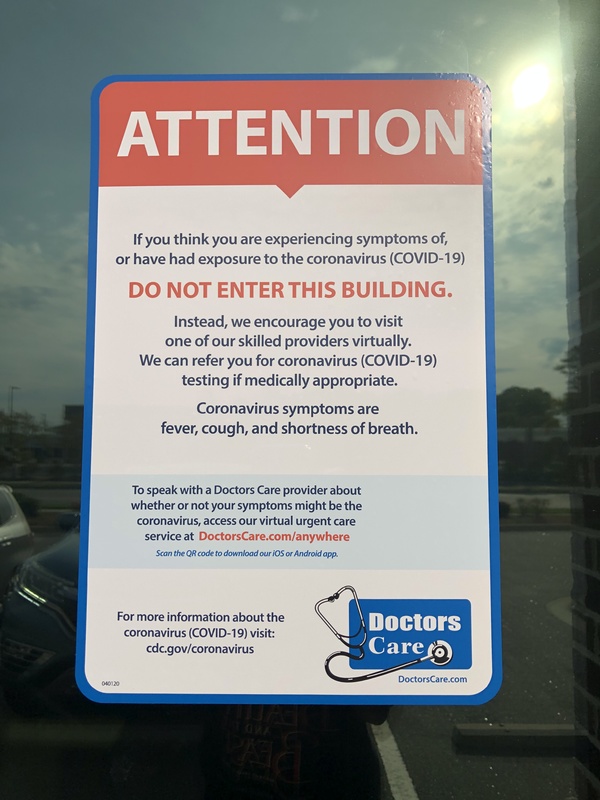
Our doctors visit during COVID-19
This photograph demonstrates the difficulties imposed on persons who need to see a doctor during the pandemic. Visiting A doctor at this time requires four entries into the doctors office. 1. Go into the office and inform them of your need for medical attention. You will receive a clipboard with a form to fill out. Then you will return to your car to fill it out. 2. After filling out your form you take it in the doctors office where you were towed to return to your car and wait for a text message. 3. Your third trip into the doctors office will be to have your temperature taken after which you will return to your car again. 4. You will receive another text message and informed whether you are allowed in the doctors office or not, if you are allowed in on your fourth trip into the office you will see a doctor. -
 2020-03-17
Texas Tech University Additional Measures to Mitigate the Ongoing Risks to Public Health 03/17/2020
Another update to measures Texas Tech is taking during the pandemic. -
 2020-04-06
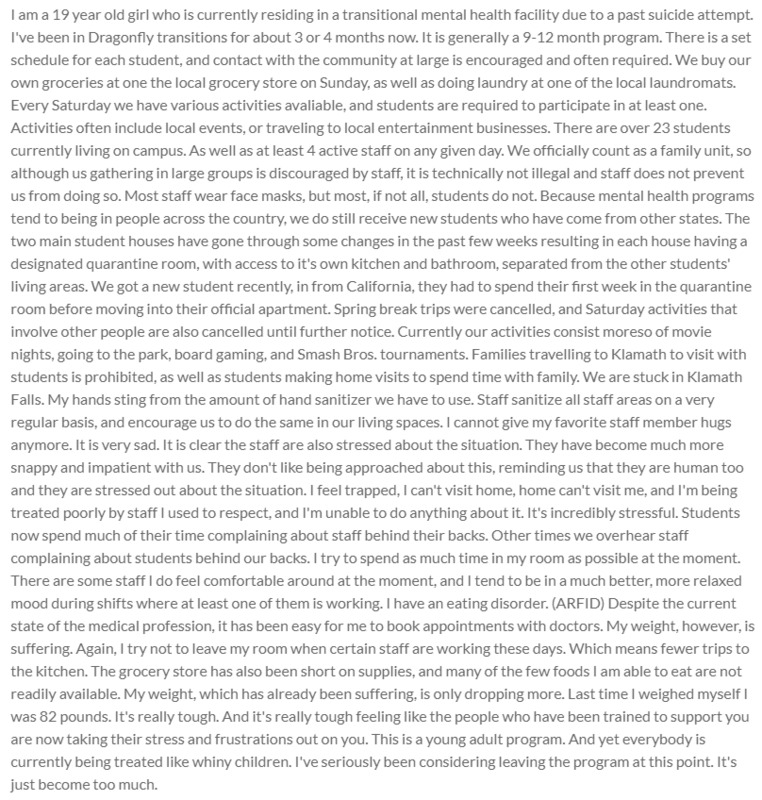
COVID-19 in a Mental Health Facility
Reflection of a girl residing in a transitional mental health facility during COVID. -
 2020-03-16
Governmental Coronavirus Postcard Mailer
I received this mailer on March 24, 2020. It outlines "President Trump's Coronoavirus Guidelines for America,' dated March 16, 2020. Includes various tips such as "Avoid eating or drinking at bars and restaurants--USE PICKUP OR DELIVERY OPTIONS," and "DO NOT VISIT nursing homes or retirement or long-term care facilities unless to provide critical assistance." Also recommends following state and local authorities' directions and visiting the coronavirus.gov website. "It is critical that you do your part to slow the spread of the coronavirus." -
 2020-03-20
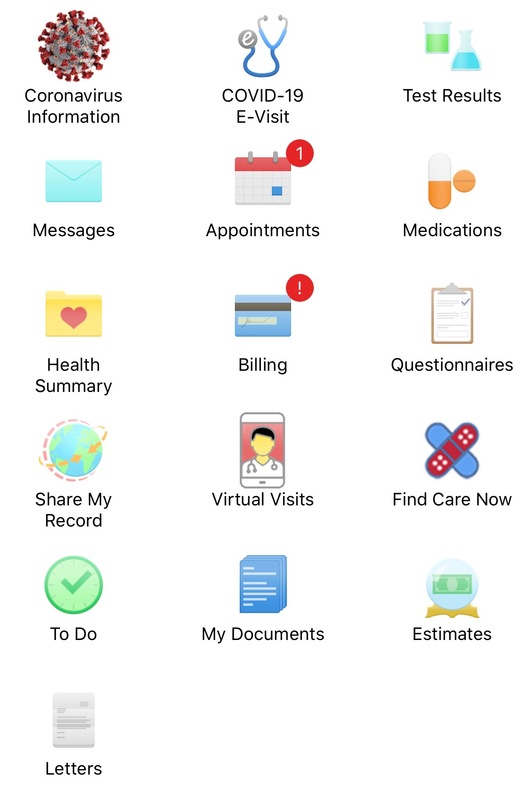
University of Utah health adds "Covid-19 E-Visit" to patient portal
Hospitals and healthcare providers are increasingly offering online doctor visits or "e-visits" to screen for Covid-19, in order to avoid overwhelming the healthcare system. -
2024-03-14
A lifelong Dream Journey to Egypt
At the height of the pandemic, I was in Arizona working in the Maricopa County Supreme Court system. In transparency, there were not very many restrictions, let alone travel restrictions. Additionally, several times I was able to leave the state and go visit my family in my hometown of California which had several different restrictions such as a complete shutdown as well as social distancing and wearing a face mask. Once travel restrictions were lifted, I did not take any specific big trips, due to my living/daily life experiences not being drastically changed living in Arizona during the pandemic. I was still going into the office everyday, in court everyday, and able to do many of the same activities that I would do on a daily basis. As an additional note, if I could travel anywhere in the world, I would love to visit Egypt, specifically Cairo. For as long as I can remember I have had a great fascination with ancient Egyptian history. During my free time, I love watching documentaries about the discovery of ancient Egyptian artifacts and what they symbolize. Being able to actually see Egyptian artifacts personally, would allow me to gain a deeper understanding of ancient life in Egypt. On this trip, I would also like to see the Giza pyramid complex. Pyramid construction and symbolism is another great interest of mine. Recently I have started watching a documentary called, Lost Tombs of the Pyramids, and it exploration and excavation of pyramids. Overall, on this trip, I would document this trip using photography and videography. Those are what I normally use to document trips taken. I like this method because I am able to go back and physically look at sites in my camera roll if I ever wanted to. I have never been outside of the United States, and I hope to accomplish the goal of traveling out of the country soon! -
 12/07/2021
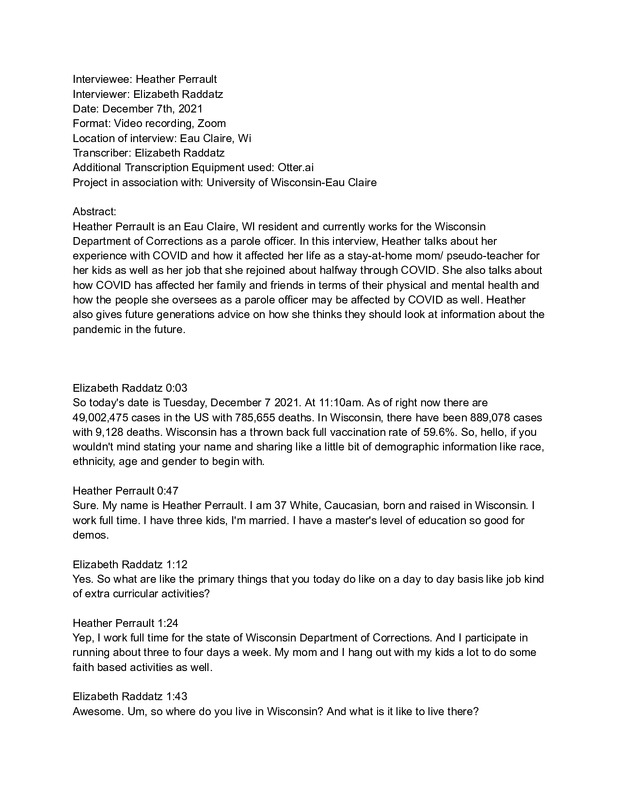
Heather Perrault Oral History, 2021/12/07
Heather Perrault is an Eau Claire, WI resident and currently works for the Wisconsin Department of Corrections as a parole officer. In this interview, Heather talks about her experience with COVID and how it affected her life as a stay-at-home mom/ pseudo-teacher for her kids as well as her job that she rejoined about halfway through COVID. She also talks about how COVID has affected her family and friends in terms of their physical and mental health and how the people she oversees as a parole officer may be affected by COVID as well. Heather also gives future generations advice on how she thinks they should look at information about the pandemic in the future. -
 05/06/2021
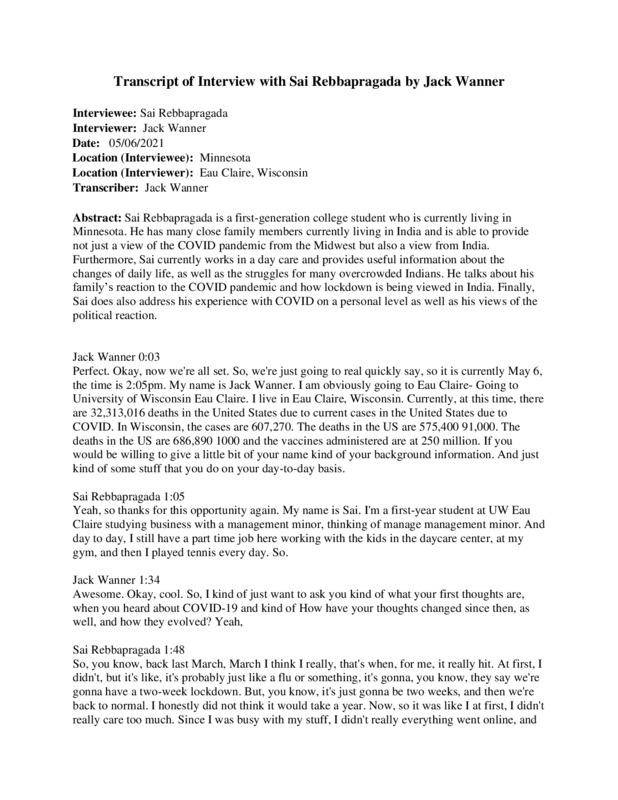
Sai Rebbapragada Oral History, 2021/05/06
Sai Rebbapragada is a first-generation college student who is currently living in Minnesota. He has many close family members currently living in India and is able to provide not just a view of the COVID pandemic from the Midwest but also a view from India. Furthermore, Sai currently works in a day care and provides useful information about the changes of daily life, as well as the struggles for many overcrowded Indians. He talks about his family’s reaction to the COVID pandemic and how lockdown is being viewed in India. Finally, Sai does also address his experience with COVID on a personal level as well as his views of the political reaction. -
 05/07/2021
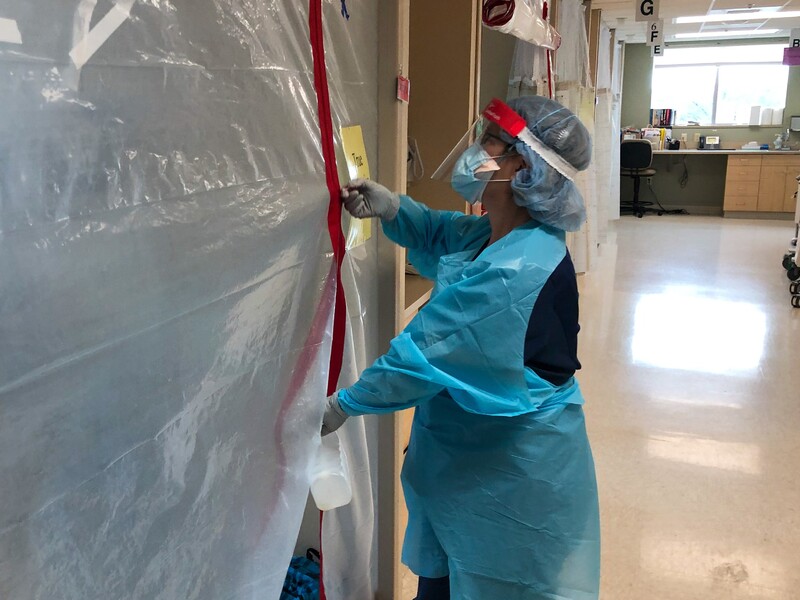
Chris Delvin Oral History, 2021/05/07
Chris Delvin is the RN perioperative manager at the Marshfield Clinic in Eau Claire. In this interview, Chris discusses the effects of the pandemic on his clinic and how he and his staff responded by converting a surgical clinic into a negative flow covid unit and doubling the number of beds they could handle. He talks not only about work but also about how the pandemic has transformed his home and spiritual life. Matt Schneider also joins midway through and offers his perspectives on how Chris managed the situation and contributed to helping protect his community. -
 2021-06-20
The Best-Laid Plans Go Awry but Mojitos Soften the Blow
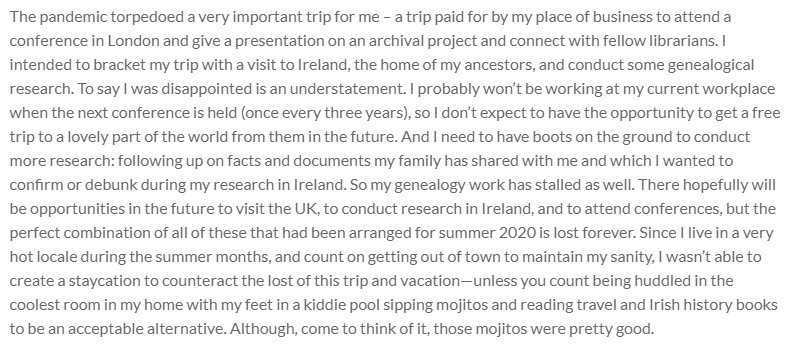
The pandemic torpedoed a very important trip for me – a trip paid for by my place of business to attend a conference in London and give a presentation on an archival project and connect with fellow librarians. I intended to bracket my trip with a visit to Ireland, the home of my ancestors, and conduct some genealogical research. To say I was disappointed is an understatement. I probably won’t be working at my current workplace when the next conference is held (once every three years), so I don’t expect to have the opportunity to get a free trip to a lovely part of the world from them in the future. And I need to have boots on the ground to conduct more research: following up on facts and documents my family has shared with me and which I wanted to confirm or debunk during my research in Ireland. So my genealogy work has stalled as well. There hopefully will be opportunities in the future to visit the UK, to conduct research in Ireland, and to attend conferences, but the perfect combination of all of these that had been arranged for summer 2020 is lost forever. Since I live in a very hot locale during the summer months, and count on getting out of town to maintain my sanity, I wasn’t able to create a staycation to counteract the lost of this trip and vacation—unless you count being huddled in the coolest room in my home with my feet in a kiddie pool sipping mojitos and reading travel and Irish history books to be an acceptable alternative. Although, come to think of it, those mojitos were pretty good. -
 2021-03-22
#JOTPYLesson from kumarshivani285
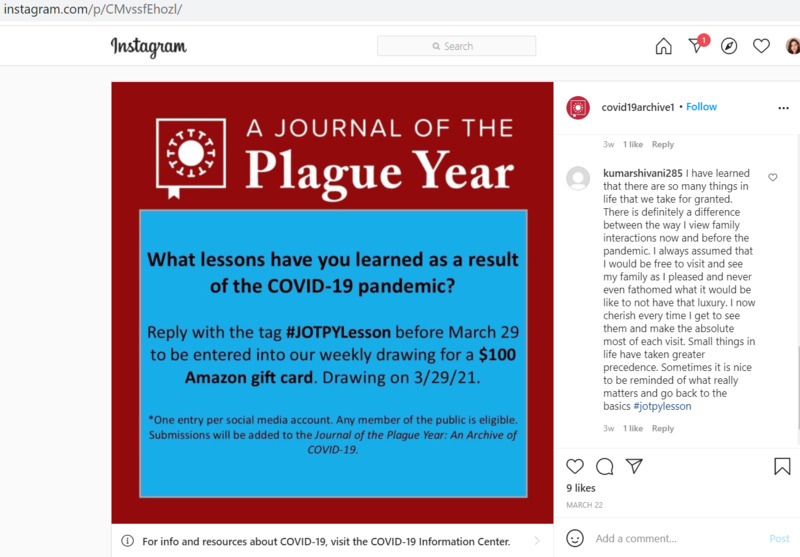
kumarshivani285 I have learned that there are so many things in life that we take for granted. There is definitely a difference between the way I view family interactions now and before the pandemic. I always assumed that I would be free to visit and see my family as I pleased and never even fathomed what it would be like to not have that luxury. I now cherish every time I get to see them and make the absolute most of each visit. Small things in life have taken greater precedence. Sometimes it is nice to be reminded of what really matters and go back to the basics #jotpylesson -
 2020-09-24
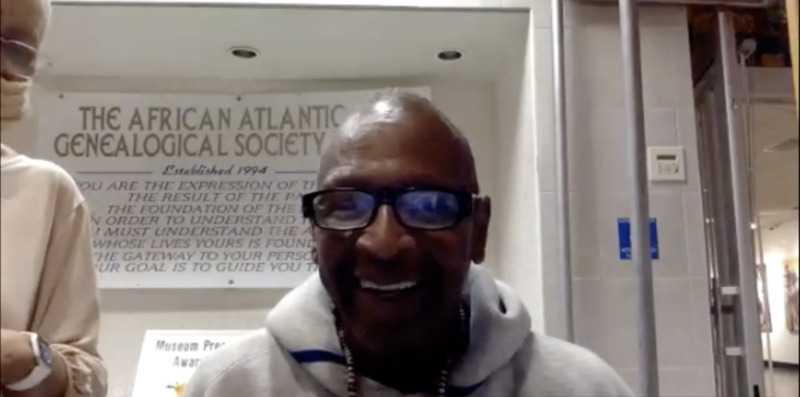
Horace Graydon: I want to live peacefully with you, politically, socially…
Horace Graydon is a community volunteer, avid walker, and advocate for disrupting the pipeline to prison for youth of color. Horace tells his story against the backdrop of his long-term sentences in federal penitentiary. In the end, Horace is hopeful, though, finding that his passion for his work now. Stating that he "took so much out of our black communities by when" he committed acts that led him to prison that, now, he is -
 10/10/2020
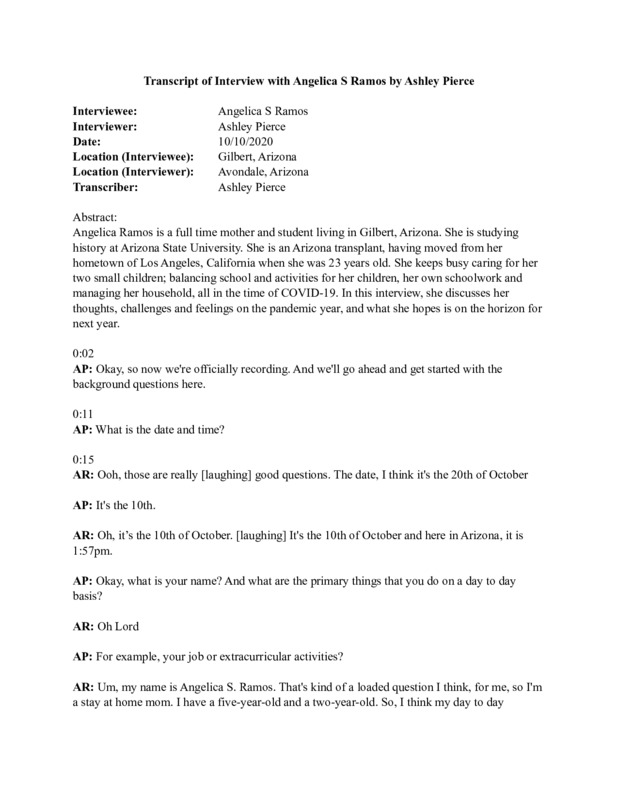
Angelica S Ramos Oral History, 2020/10/10
Angelica Ramos is a full time mother and student living in Gilbert, Arizona. She is studying history at Arizona State University. She is an Arizona transplant, having moved from her hometown of Los Angeles, California when she was 23 years old. She keeps busy caring for her two small children; balancing school and activities for her children, her own schoolwork and managing her household, all in the time of COVID-19. In this interview, she discusses her thoughts, challenges and feelings on the pandemic year, and what she hopes is on the horizon for next year. -
 04/07/2020
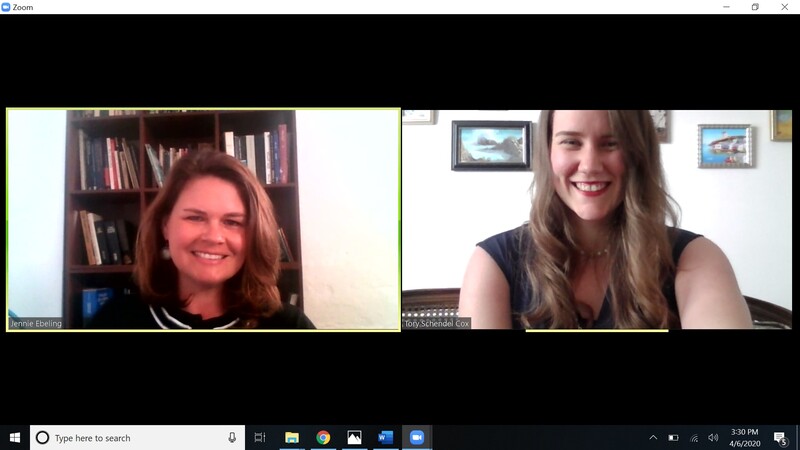
Cultural Insights: Interviews in the Creative Sector #16 … Jennie Ebeling, PhD, University of Evansville
In response to COVID-19, the Evansville Museum of Arts, History and Science launched the mini-series, "Cultural Insights: Interviews in the Creative Sector," to highlight colleagues and professionals working in the same or similar field of museum professionals. -
 04/15/2020
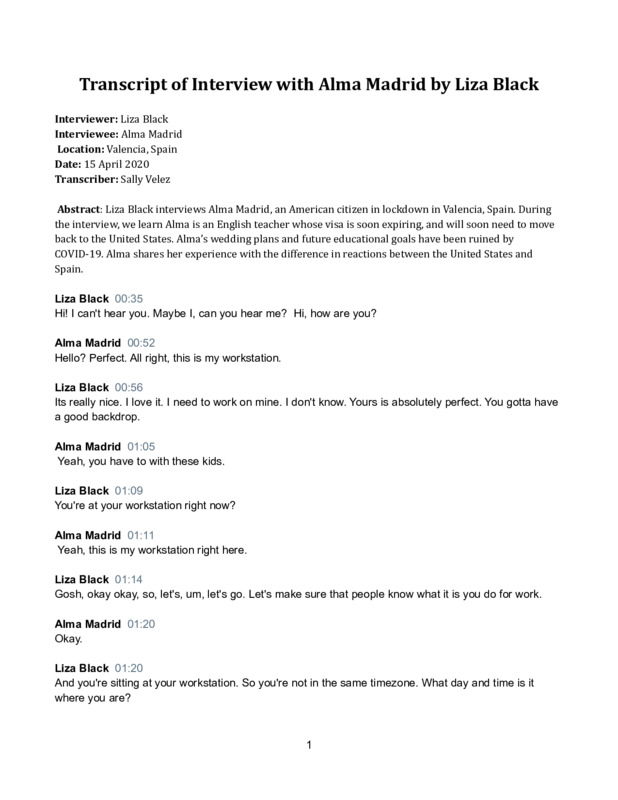
Alma Madrid Oral History, 2020/04/15
Liza Black interviews Alma Madrid, an American citizen in lockdown in Valencia, Spain. During the interview, we learn Alma is an English teacher whose visa is soon expiring, and will soon need to move back to the United States. Alma’s wedding plans and future educational goals have been ruined by COVID-19. Alma shares her experience with the difference in reactions between the United States and Spain. -
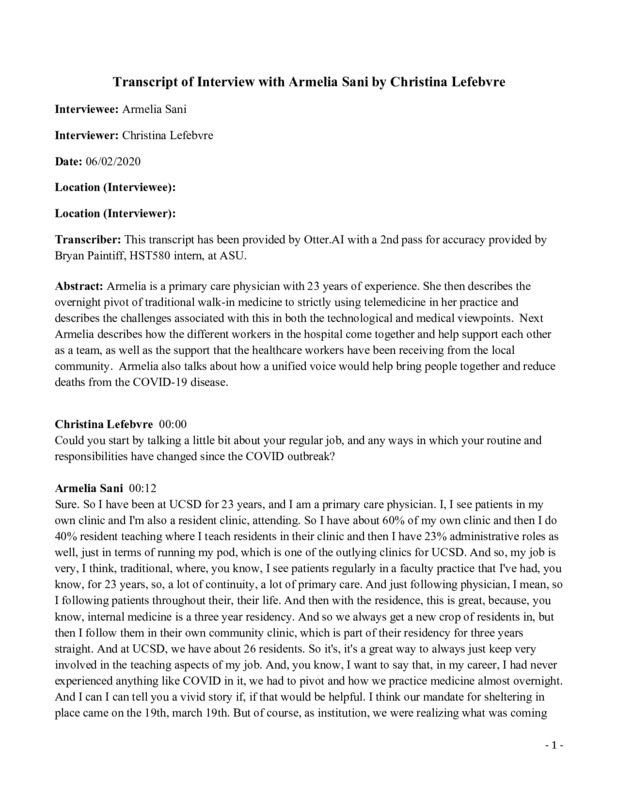 06/02/2020
Armelia Sani Oral History, 2020/06/02
Interviewer, Christina Lefebvre, and narrator, Armelia Sani, discuss the impact of the COVID-19 pandemic on Dr. Sani's primary care patients and the healthcare community. -
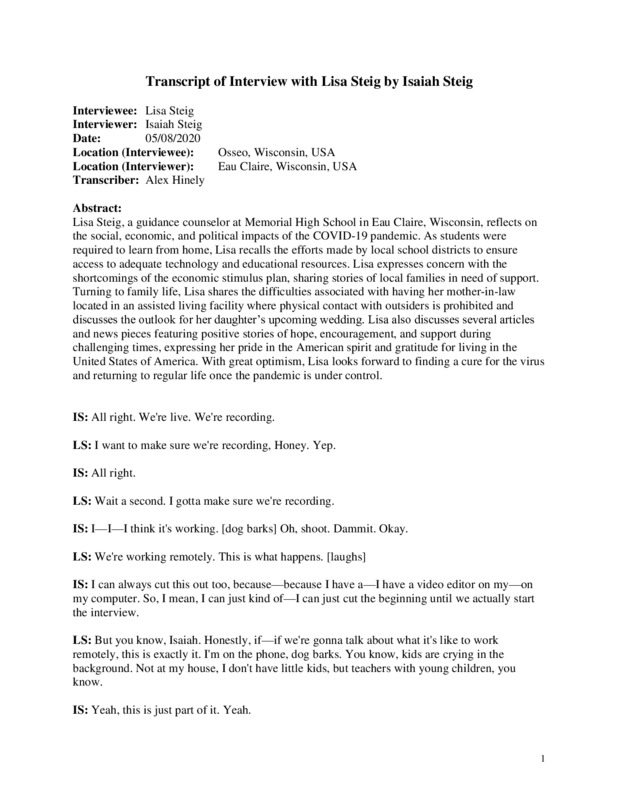 05/08/2020
Lisa Steig Oral History, 2020/05/08
Lisa Steig, a guidance counselor at Memorial High School in Eau Claire, Wisconsin, reflects on the social, economic, and political impacts of the COVID-19 pandemic. As students were required to learn from home, Lisa recalls the efforts made by local school districts to ensure access to adequate technology and educational resources. Lisa expresses concern with the shortcomings of the economic stimulus plan, sharing stories of local families in need of support. Turning to family life, Lisa shares the difficulties associated with having her mother-in-law located in an assisted living facility where physical contact with outsiders is prohibited and discusses the outlook for her daughter’s upcoming wedding. Lisa also discusses several articles and news pieces featuring positive stories of hope, encouragement, and support during challenging times, expressing her pride in the American spirit and gratitude for living in the United States of America. With great optimism, Lisa looks forward to finding a cure for the virus and returning to regular life once the pandemic is under control. -
2020-05-15
Student Paper on Federalism and Coronavirus
A student's paper discussing how federalism has influenced how the United States has responded to the pandemic. -
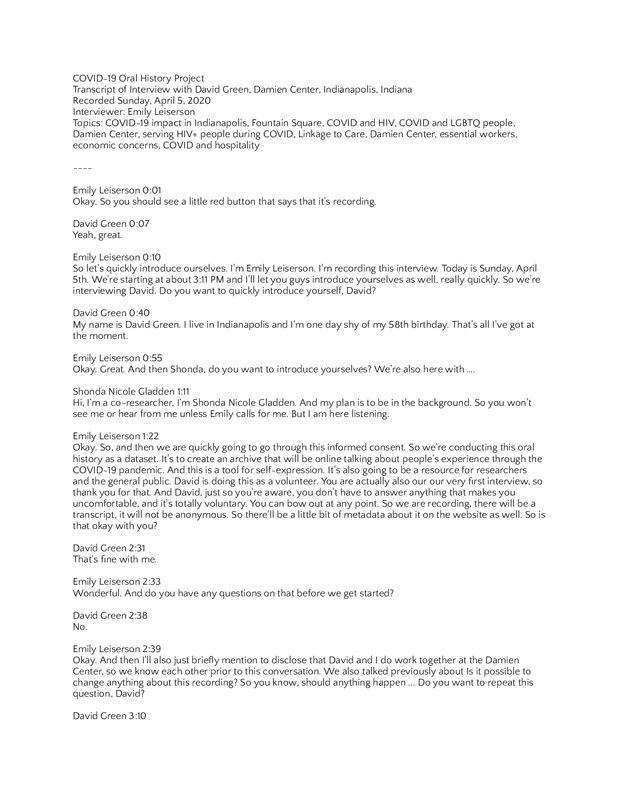 04/05/2020
David Green Oral History, 2020/04/05
-
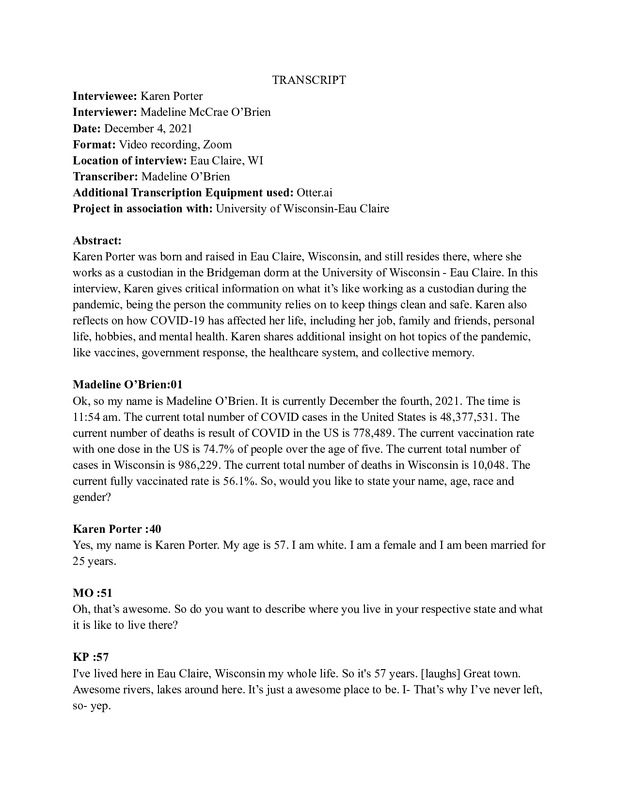 12/04/2021
Karen Porter Oral History, 2021/12/04
Karen Porter was born and raised in Eau Claire, Wisconsin, and still resides there, where she works as a custodian in the Bridgeman dorm at the University of Wisconsin - Eau Claire. In this interview, Karen gives critical information on what it’s like working as a custodian during the pandemic, being the person the community relies on to keep things clean and safe. Karen also reflects on how COVID-19 has affected her life, including her job, family and friends, personal life, hobbies, and mental health. Karen shares additional insight on hot topics of the pandemic, like vaccines, government response, the healthcare system, and collective memory. -
 12/03/2021
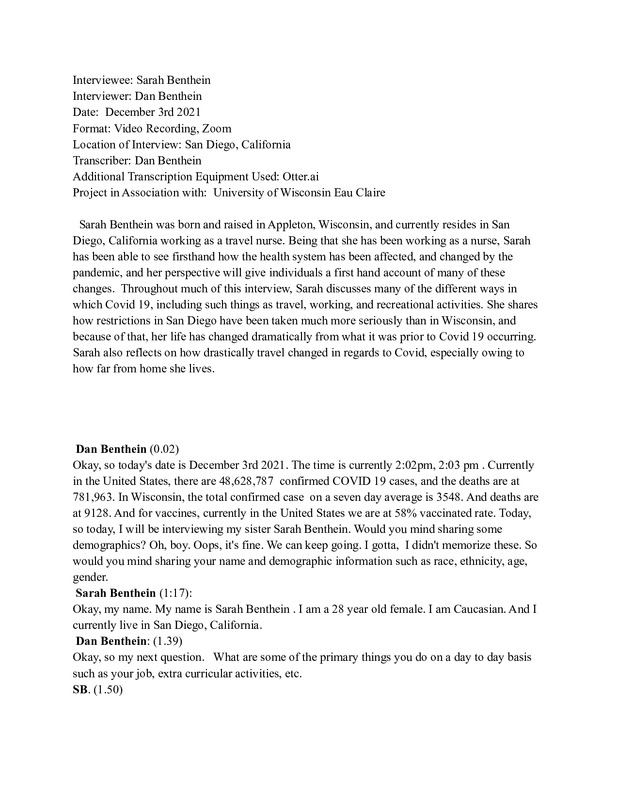
Sarah Benthein Oral History, 2021/12/03
Sarah Benthein was born and raised in Appleton, Wisconsin, and currently resides in San Diego, California working as a travel nurse. Being that she has been working as a nurse, Sarah has been able to see firsthand how the health system has been affected, and changed by the pandemic, and her perspective will give individuals a first-hand account of many of these changes. Throughout much of this interview, Sarah discusses many of the different ways in which Covid 19, including such things as travel, working, and recreational activities. She shares how restrictions in San Diego have been taken much more seriously than in Wisconsin, and because of that, her life has changed dramatically from what it was prior to Covid 19 occurring. Sarah also reflects on how drastically travel changed in regards to Covid, especially owing to how far from home she lives. -
 2020-05
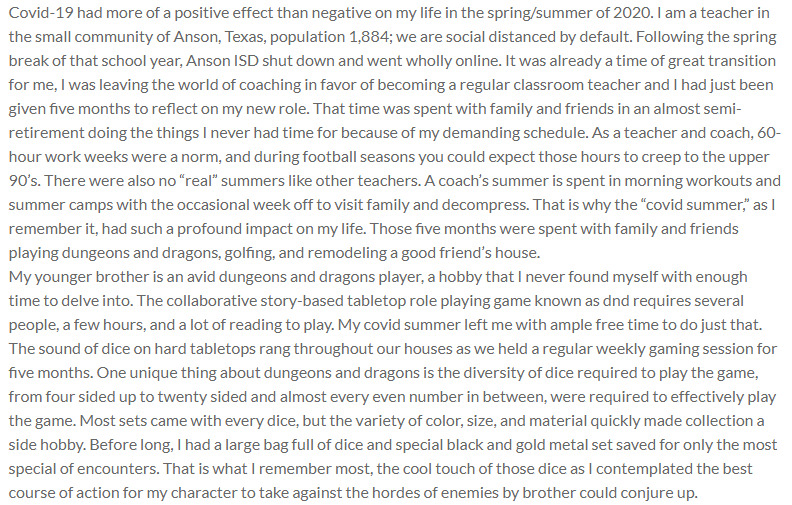
A Touch of Retirement: Dice, Clubs, and Power Tools
Covid-19 had more of a positive effect than negative on my life in the spring/summer of 2020. I am a teacher in the small community of Anson, Texas, population 1,884; we are social distanced by default. Following the spring break of that school year, Anson ISD shut down and went wholly online. It was already a time of great transition for me, I was leaving the world of coaching in favor of becoming a regular classroom teacher and I had just been given five months to reflect on my new role. That time was spent with family and friends in an almost semi-retirement doing the things I never had time for because of my demanding schedule. As a teacher and coach, 60-hour work weeks were a norm, and during football seasons you could expect those hours to creep to the upper 90’s. There were also no “real” summers like other teachers. A coach’s summer is spent in morning workouts and summer camps with the occasional week off to visit family and decompress. That is why the “covid summer,” as I remember it, had such a profound impact on my life. Those five months were spent with family and friends playing dungeons and dragons, golfing, and remodeling a good friend’s house. My younger brother is an avid dungeons and dragons player, a hobby that I never found myself with enough time to delve into. The collaborative story-based tabletop role playing game known as dnd requires several people, a few hours, and a lot of reading to play. My covid summer left me with ample free time to do just that. The sound of dice on hard tabletops rang throughout our houses as we held a regular weekly gaming session for five months. One unique thing about dungeons and dragons is the diversity of dice required to play the game, from four sided up to twenty sided and almost every even number in between, were required to effectively play the game. Most sets came with every dice, but the variety of color, size, and material quickly made collection a side hobby. Before long, I had a large bag full of dice and special black and gold metal set saved for only the most special of encounters. That is what I remember most, the cool touch of those dice as I contemplated the best course of action for my character to take against the hordes of enemies by brother could conjure up. While the hottest days were spent in the air conditioning playing games, the pleasant ones were spent golfing. At the time, state health officials had mentioned golf as an almost perfect sport to play during covid because it was easy to social distance and the vitamin D from the sun helped to boost the immune system. I played a lot of golf with much of the same friends I played dnd with. Many of the golf courses we played at threw their doors open and welcomed golfers with open arms to try and keep the business afloat through the troubling times; we never once were denied a t-time. We played golf at least twice a week for five months and I don’t think my hands have recovered yet. The feel of those club handles wore out two gloves and countless blisters across both hand and I wouldn’t change it for the world. While my other two hobbies offered little in the form of vocational skills, my third allowed me to learn the most. My good friend purchased his first home in May of 2020. A quaint 3 bed 2 bath home on a third of an acre just outside of Abilene, a larger town about 20 minutes south of Anson. The home was a product of the 60’s and while it had been well maintained by its previous owners, it needed quite a bit of updating. My friend had some experience in construction from a previous job, but we were all learning on the fly as we decided to remodel his home. Roughly a dozen power tools across four friends, we tore out walls, updated electrical, redid flooring, framed, drywalled, painted, and wired his 1500 square foot house for the better part of three months. There were a lot of late nights, beverages had, and good laughs shared. We all had some know how, but YouTube and google became our best friends. I had always heard the saying that rough hands meant hard work, but the feeling of my hands covered in drywall dust gave a much more visceral connection to it. I think all these feelings for me were so profound during this time because the pandemic had placed a warning label on touch. My mom is a thirty-year veteran nurse, directed an ER during swine flu and bird flu, and still received Christmas cards from high-ranking officials of the CDC; I was well informed on the virus. In the early days, we didn’t know how long it lasted on surfaces, the severity of the virus, or its communicability. Touch was one thing that had to be eliminated. A six-foot bubble was placed on the world and people feared handshakes, hugs, and human embraces foundational to the species. One knows the dangers of the everyday world, but rarely to we expect a loving hug to potentially carry death to a dear loved one. This notion changed how we, as a species, saw each other. Some embraced the struggle to soldier on with courage and others gave into fear as new information came out hourly. Two years later, after mask mandates have been lifted across most of the country, people are still trying to heal. Fist bumps taken over handshakes, hands free pay at most supermarkets, automatic doors becoming a priority are all examples of how Covid-19 changed our perception of touch as a human race. With all the activity I had during my covid summer, I did eventually contract the novel virus on my birthday in June. My only symptom was a loss of smell, one of the weirdest sensations I’ve ever had. I count myself extremely lucky that that was the only symptom I had. Aside from my ten days of self-quarantine, my life was affected in very much a positive way. I cherish the memories of my covid summer and count myself incredibly lucky to have experienced the pandemic the way I did. -
 04/22/2021
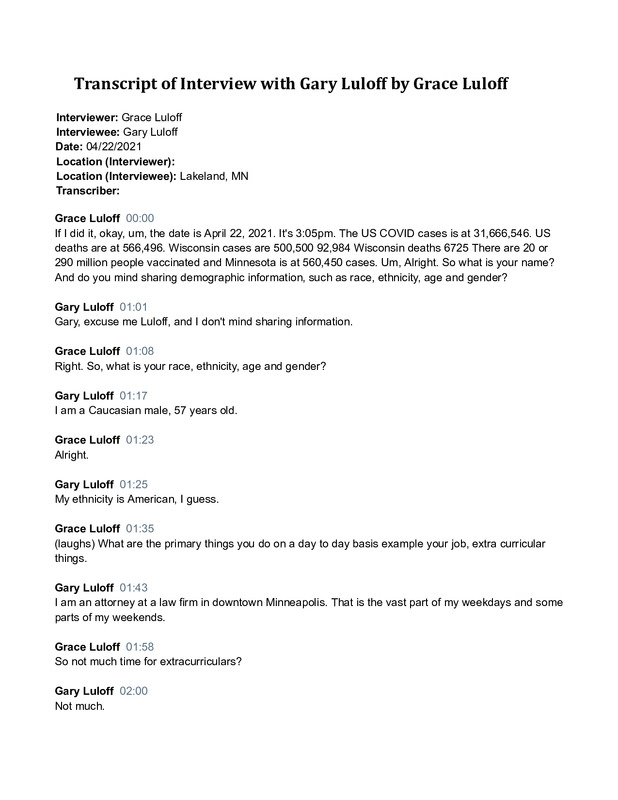
Gary Luloff Oral History, 2021/04/29
-
 04/27/2021
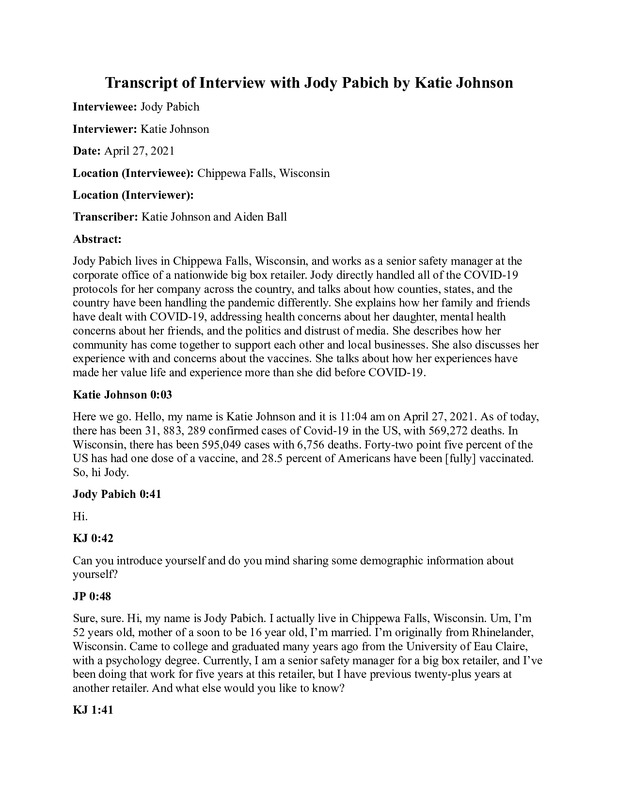
Jody Pabich Oral History, 2021/04/27
Jody Pabich lives in Chippewa Falls, Wisconsin, and works as a senior safety manager at the corporate office of a nationwide big box retailer. Jody directly handled all of the COVID-19 protocols for her company across the country, and talks about how counties, states, and the country have been handling the pandemic differently. She explains how her family and friends have dealt with COVID-19, addressing health concerns about her daughter, mental health concerns about her friends, and the politics and distrust of media. She describes how her community has come together to support each other and local businesses. She also discusses her experience with and concerns about the vaccines. She talks about how her experiences have made her value life and experience more than she did before COVID-19. -
 12/11/2020
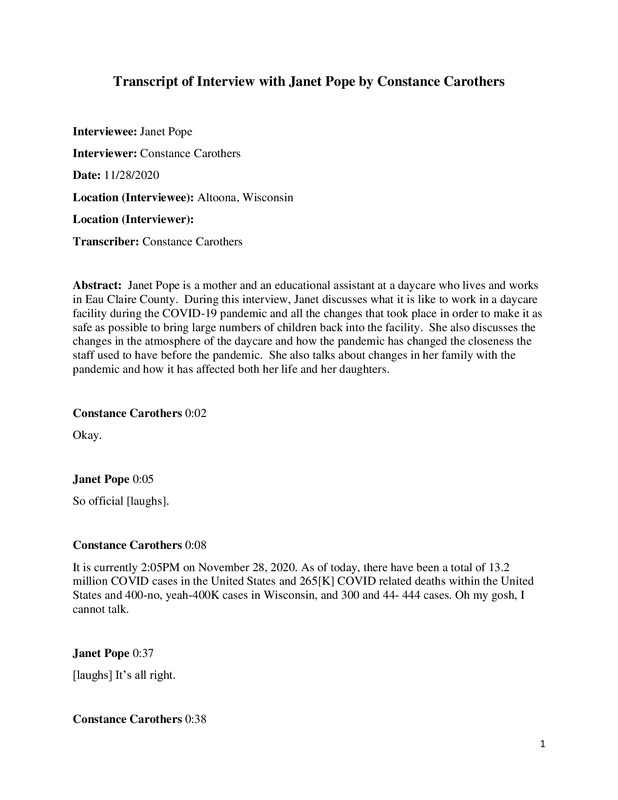
Janet Pope Oral History, 2020/12/11
C19OH -
 2020-08-21
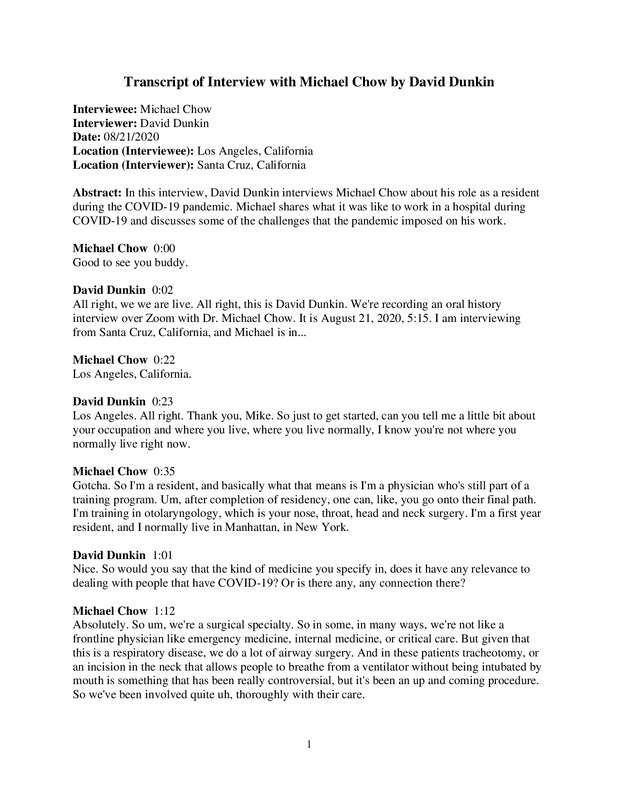
Michael Chow Oral History, 2020/08/21
C19OH