Items
Search full-text
free fc 26 coins ps4 Visit Buyfc26coins.com Zniżki na duże ilości..C10x
-
 2021-10
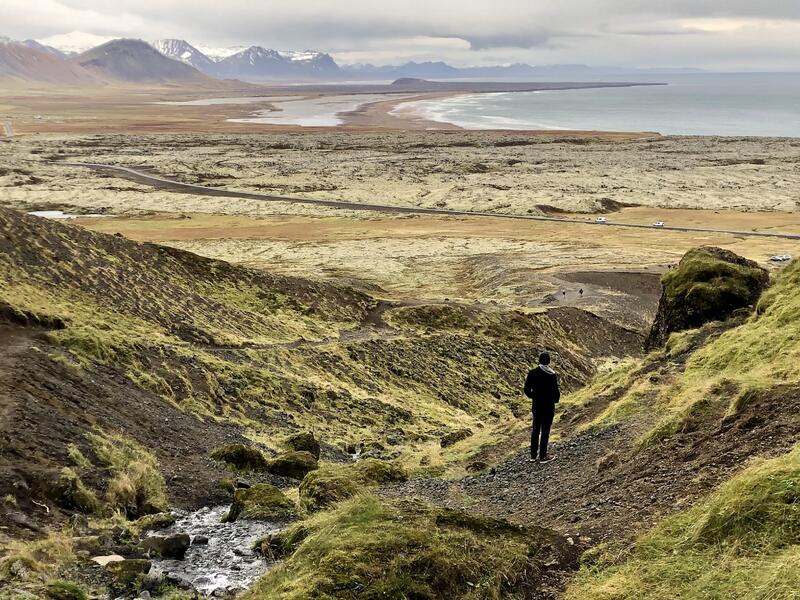
Woodcrofts in Post-Pandemic Iceland
First, let me say that I am not a big traveler. I was never bitten by the travel bug, and I had no strong desires to see the world. A bit controversial, but I remember feeling even just a few months of lockdown during the COVID-19 pandemic that I needed to get out. I needed to escape my house, not because being quarantined and working from home with my husband was problematic or bad as far as our being with one another 24/7, but I just felt very confined and small, almost suffocated. There’s a difference, I think between choosing not to travel or leave your house and not being able to leave your house because of guidelines and the risk of spread illness. My husband and I had planned a trip to go to Iceland in September of 2019, but I just started a new job and couldn’t get time off that soon after starting, so we pushed it off to – as luck would have it – March 2020. In fact, it was planned for about a week or so after the entire world shut down and said “stay home.” At that point, we were “refunded” our tickets and accommodations, and were in this place of not know when or if this trip would happen. By refunded, I mean that the airline gave us a credit for the amount needing to be spent within a year after this date. So we felt in a bit of a dilemma and unsure of what to do. The news of the pandemic and the guidelines were – understandably - constantly shifting, and we were looking at international travel, so we had to frequently check the U.S. travel restrictions as well as Iceland’s restrictions and compare. Even then, restrictions fluctuated, at some points saying travel was allowed on one end, at others, if you test positive you may have to stay there for your entire quarantine period in a designated space away from others, extending your stay for potentially a month. It was a force to even consider planning. Finally, the stars aligned, and we were able to schedule our trip for October 2021, two years later that we had originally planned, but we were going and excited, if a bit nervous. I remember from the day we picked the flights looking up the travel restriction websites every day. I bookmarked the U.S. and Iceland’s sites to check to see if anything had changed in terms of guidelines or cancellations. We knew that we needed to schedule a covid test about 1 week prior to the flight and upload and bring proof of a negative result for the airline. We had been vaccinated, so we had to bring our cards for verification at customs. We also at that point, scheduled our return flight’s covid testing in Iceland to make sure that we had another negative result so we could come home. It was incredibly stressful trying to schedule all this, some sites were booked up, we had to take time off of work to get available appointments before going, all while reminding ourselves this is supposed to be a fun trip, a vacation in a country neither of us had visited before. Luckily, everything by way of travel went well. At that point, being in such a crowded area, like an airport, felt strange and uncomfortable. Everyone wearing masks, but still getting closer to us that we were used to now. We had heard stories of how planes are breeding grounds for covid, the air was recycled, so if someone on the plane is a false negative, they’ll give it to everyone. But we landed 6 hours later, and were relieved to do so. Despite not seeing a single puffin, our week in Iceland was absolutely fantastic; however, I can’t say that it wasn’t hindered a bit by covid and the transitioning public guidelines. After planning this trip for two years, we had read and marked up a number of travel guides that suggested areas to visits, restaurants to try, and trips to take while there. None of these books were equipped to prepare us for what vacation would look like post-pandemic. On one side, the sites and streets, even in the city of Reykjavik, were not nearly as crowded as we had read and expected it would be, which, for someone like me, who gets incredibly overwhelmed when around too many people, was perfect. We were able to visit museums, go on a virtual flyover of Iceland’s landscape, and see sights with no line or trouble. On the other hand, many store, restaurant, and attraction hours had changed or were complete shutdown, and were not updated on Google or on company sites. Occasionally we would finally reach a destination and find it was closed, but we understood that this was a small price to pay overall for a trip to Iceland so soon after things re-opened. One restaurant we stopped at in a small town south of Reykjavik was completely empty, we were the only customers from when we walked in to when we left. We were able to talk to the owner, who was saying that this is what it has been like for them since the start of the pandemic and restrictions on travel, especially international travel and tourism. It was a family-owned restaurant, where the owner and his wife sold art and homemade Nordic pieces on one of the tables in the back. They relied on tourism and the income of international visitors, and they said that this was the hardest part of the pandemic for them, seeing Iceland, a huge tourist spot for years, now hit financially and, really their way of life, changing because of this long ban on travel. For our trip across the country, fortunately, as it is, my husband and I are moderately outdoorsy people, so most of what we wanted to see or wanted to visit was outside and didn’t have the same restrictions that we found in town. We were able to spend a day at the Blue Lagoon, climbing a relatively recently active volcano, walk on the black sand beaches, and just drive around, climb out of the car and hike up a hill for the view. Early on, we decided to abandon our strict itinerary and just think of what we might want to do the next day and plan from there. It was jarring for someone like me, who is almost too reliant on structure and order, but the flexibility worked better and developing that mindset of being adaptable in this post-pandemic time helped combat the frustration and panic we felt after realizing so much had changed from the typical and expected. A stark difference we noticed while there was the general feeling towards covid-19 guidelines and vaccinations there compared to the U.S. at the time. Since the start of the pandemic, so many people were outspokenly skeptical and against the restrictions and guidelines in place and the vaccine, but we never really experienced any of that in Iceland. Rules and guidelines were quietly followed wherever we went, wearing a mask or maintaining distance, there was never a fight or resistance to this. We never saw or heard of any anti-vaccination groups or protests, as we had experienced both where we lived and on the news across America. All in all, our trip coming out of the pandemic was great, if not a bit unexpected because of the guidelines and transition period that came from international travel post-covid. -
 12/05/2021
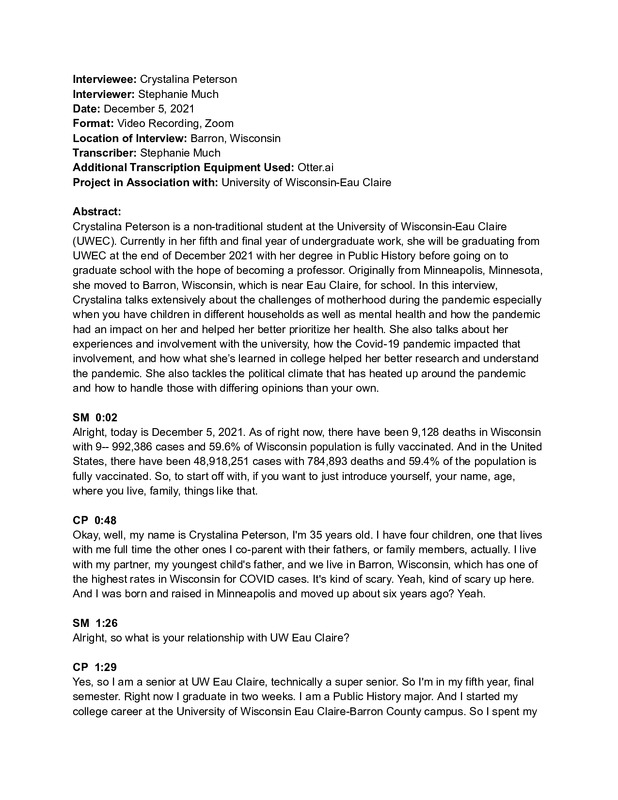
Crystalina Peterson Oral History, 2021/12/05
Crystalina Peterson is a non-traditional University of Wisconsin-Eau Claire (UWEC) student. Currently, in her fifth and final year of undergraduate work, she will graduate from UWEC at the end of December 2021 with her degree in Public History before going on to graduate school with the hope of becoming a professor. Originally from Minneapolis, Minnesota, she moved to Barron, Wisconsin, near Eau Claire, for school. In this interview, Crystalina talks extensively about the challenges of motherhood during the pandemic especially when you have children in different households as well as mental health and how the pandemic had an impact on her and helped her better prioritize her health. She also talks about her experiences and involvement with the university, how the Covid-19 pandemic impacted that involvement, and how what she’s learned in college helped her better research and understand the pandemic. She also tackles the political climate that has heated up around the pandemic and how to handle those with differing opinions than your own. -
 12/02/2021
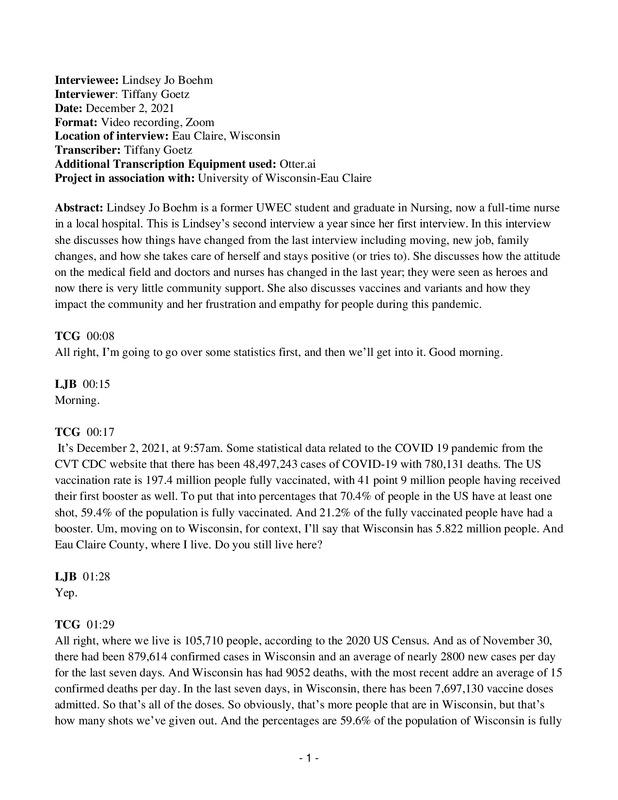
Lindsey Jo Boehm Oral History, 2021/12/02
Lindsey Jo Boehm is a former UWEC student and graduate in Nursing, now a full-time nurse in a local hospital. This is Lindsey’s second interview a year since her first interview. In this interview, she discusses how things have changed from the last interview including moving, a new job, family changes, and how she takes care of herself and stays positive (or tries to). She discusses how the attitude in the medical field and doctors and nurses has changed in the last year; they were seen as heroes and now there is very little community support. She also discusses vaccines and variants and how they impact the community and her frustration and empathy for people during this pandemic. -
 2020-02-18
Patients and Patience
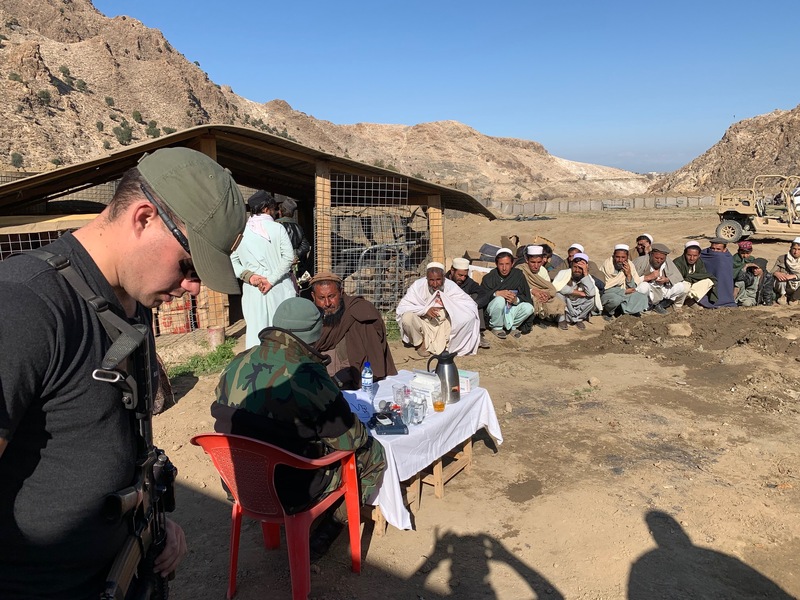
I spent the majority of 2019 in Afghanistan. As far as deployments go, it was as busy as it was rewarding. I spent my days providing medical care to the local Afghans which included the handling of war wounds, managing chronic diseases, or treating any number of the infectious diseases that are endemic to the Middle East. My day-to-day activities had me in regular contact with sick people, and it was my responsibility to help them. Later in the year, a sickness began to go around. Across the country service members and civilians alike were coming down with what was presumed to be the flu. With consistently negative tests, however, medical professionals began looking to other causes for the wide range of symptoms people were suffering from. When I got sick, I lost my voice for a month and could barely walk out of my room without losing my breath and so I resolved to spending my time lying in bed and watching movies. When I returned home from Afghanistan in early 2020, I still wasn’t quite recovered. Unfortunately, my homecoming was not an elaborate affair as my wife and children were waiting for me in Texas where they had spent my deployment near family. The plan was for me to visit until it was time for me to move down there as well. I still suffered from shortness of breath and one day, shortly after returning, I nearly passed out on a light jog, and I knew something was wrong. I was scheduled to visit my wife and kids in the coming weeks, excited to see them after my deployment, but my unknown sickness had other plans in mind. At this point in the year, COVID was in its infancy, there hadn’t been any lockdowns or travel restrictions, only the lingering concern that this new disease could become a problem. So, naturally, when I went in to see the doctors for my persistent symptoms, it was an easy assumption that I had caught COVID early while in Afghanistan in the months prior. While investigating the cause of my ongoing issues, they found a nodule in my lungs. Apparently, my weakened immune system and constant contact with severely sick patients had resulted in me contracting tuberculosis. I was now a high-risk patient. The ironic thing is that my newly diagnosed condition was contagious, and not being near my family prevented me from spreading it to my wife or kids. So much for visiting family after my deployment. Over the next few months, I was treated with heavy duty antibiotics that left me puking in the mornings and unable to leave my house, which became easier and easier as COVID gripped the world. Flights were canceled and lockdowns were enforced while I facetimed my family 1,500 miles away. After my treatment was complete, I eagerly drove home on empty roads to see my family for the first time since I had left the year prior. I would intermittently make the drive a few more times before I made the official move down later that year. Three years later, I still remember, as I’m sure we all do, the frustrations that were ever-present at the height of the pandemic. I remember my own frustrations at the difficulty of traveling down to see my kids, something that hadn’t been part of our well laid plans before my deployment. I remember having to explain to three young children why I couldn’t come home and helping my wife explain why they could no longer go to the park, to school, or hang out with their friends. In the end, however, I am grateful. I am grateful because I am able to teach them, through their own personal experiences, that we are all in this together. When they express annoyance at ongoing COVID policies, which cost them personal convenience, I can recount to them the sacrifices they made in order to keep us all safe from my sickness as well as COVID. They have learned that being patient and considerate is as much for everyone’s else’s sake as much as their own and it’s a lesson that has translated across their lives today. -
 2022-07-01
Delay to The Bay
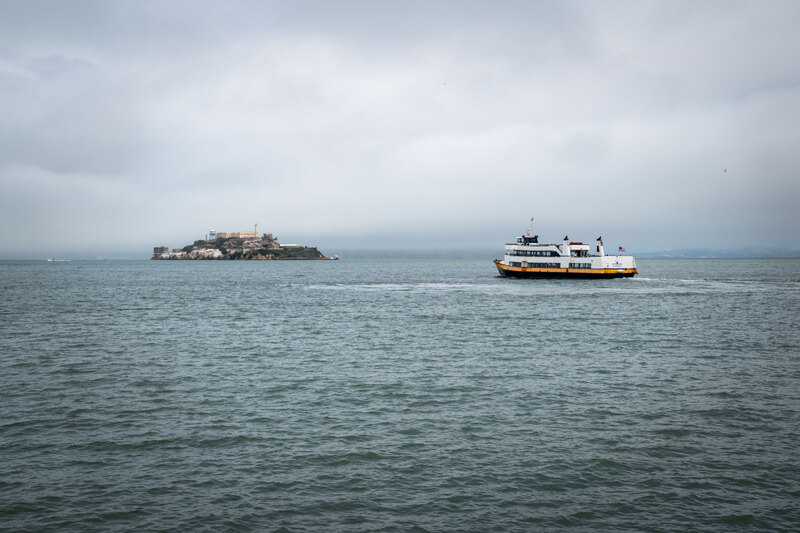
My plans to visit San Francisco in 2020 came to a halt with the outbreak of the Coronavirus. As a high school teacher, I was looking forward to my long awaited-spring break. It had been quite some years since my last visit to the San Francisco, and I knew a trip to ‘The Bay’ was long overdue. I booked a flight, hotel, and waited patiently as the weeks went by. Spring was coming up and there were heavy concerns about COVID 19 spreading into North America. I was slightly concerned but figured I would be safe to make this trip. As news broke out about cases emerging in San Francisco, the nation went into hysteria. I was not skeptic about the hazard of Coronavirus, but selfishly planned to proceed with the trip. Then my father called me. My parents, both in their seventies were definitely at risk, especially my mother who struggled with health since my childhood. My father asked me kindly not to go to San Francisco. Without hesitation, I canceled my flight and hotel. I had booked everything online through a third party and was unable to receive any refund. Bummed out, I knew it was the right thing to do. Coronavirus spread, schools shut down and my spring break prolonged. At first I was spending time kayaking, but the weather in Phoenix got so hot I had to stay inside. The Phoenix summer of 2020 had record breaking heat with 55 consecutive days of 115 degrees plus Fahrenheit temperatures. I was miserable. With concerns of my mom’s health, social distancing, living alone and bored, I was very unhappy. The unjustifiable killing of George Floyd caused anger, and rightfully so, across the nation which contributed to more hysteria. The only positive that came from that hot summer were my experiments in the kitchen. I would then deliver tasty meals for my parents. This was the one thing that made me happy. Unfortunately, my mother did not survive past the summer of 2020. She passed away in her sleep peacefully due to an unrelated COVID cause. I was on an all time low. Sad, empty, missing my students, and missing normal daily life. We had no idea how many people would die and when things would normalize. It was truly scary. Fast forward to 2022 and things were much better. I figured surviving 2020 made me stronger and much happier. Vaccinated and boosted, I decided to pursue my trip to San Francisco. I made the best of this short trip. I went to a party outside the Chase Center for the NBA Finals, in which the Golden State Warriors played against the Boston Celtics. For the first time, I took a ferry to Alcatraz. In China Town, I saw locals dance with dragons, in which one bopped me in the face while I was taking photos! Caught by surprise, I did not take offense to this. Observing how the dragons behaved with mischief, I knew it was all for fun. This made me laugh. This was a much-needed trip indeed. 2020 affected everyone around the world. With global hysteria, people getting sick, people dying, racial injustice, everyone except pandemic deniers and those oblivious to political issues resonated with fear. Passing through time, my 2022 trip to San Francisco was a rebirth. A rebirth to normalization. A rebirth to my passion of exploring culture. A rebirth of sanity, and a rebirth of controlling fear. A rebirth to laughter. With dragons, noodles, basketball, and Ghirardelli, the delay to ‘The Bay’ will forever be a golden memory. -
2020-12
Hawaii - December 2020
In March of 2020 my family and I were supposed to go to Hawaii for our spring break. When I was at work around St. Patrick's day, the school administration announced that all sports were postponed because of covid-19. A couple of days later I found out that we would be moving to virtual learning until spring break. During this time I remained hopeful that we would be back in the classroom after the break and that I would still be able to visit Hawaii. As the weeks went on it became clear that this was not the case. Eventually we moved to permanent virtual learning and the airlines canceled and refunded my ticket for Hawaii. As 2020 continued on I became more and more frustrated over the impact of covid, especially as what seemed like 3 weeks at home, turned in to several months without travel and in person interaction. In December of 2020, after completing a semester of half virtual, half in person learning I was in need of a break and a change of scenery. On Christmas my family and I found really cheap flights to Hawaii, however these flights were leaving the next day. Since I was a teacher on Christmas Break I had the time off, the only issue was that we needed to get a negative covid test before landing in Maui. We quickly booked the flights and scrambled to find a place we could get a covid test. In order to get off of the plane in Hawaii we needed to take a covid test 12 hours before arrival and our results needed to be negative. We did not have enough time before our flight to have a test shipped to our house nor did we have enough time to wait 2-3 days for results. Luckily we found a place 45 minutes from where we lived that had an opening for four rapid tests. After acquiring our test, 18 hours before our flight we eagerly awaited the results. All four of us had a negative test and we were able to board our flight to Hawaii. When we landed in Hawaii, in order to get off of the plane we had to show our negative test results. If someone did not have test results they had to remain on the plane and wait for it to return to the mainland. After showing our tests, we had our temperatures taken again and and our visit, including our accommodations, had to registered. The remainder of our trip to Hawaii was relaxing. Although it was weird to walk on the beach with a mask and sit far away from other guests, it was nice to get away. While we were in Hawaii I remember talking to a waitress we had that explained that from March to July residents were not allowed to enjoy the beaches. She described how lonely and isolated she felt stuck in her small apartment by herself. Even though it was difficult to get to Hawaii during covid, we needed a getaway and the hospitality workers in Hawaii were glad to see things slowly picking up again. -
 2020-03-26
The Sound of Sewing
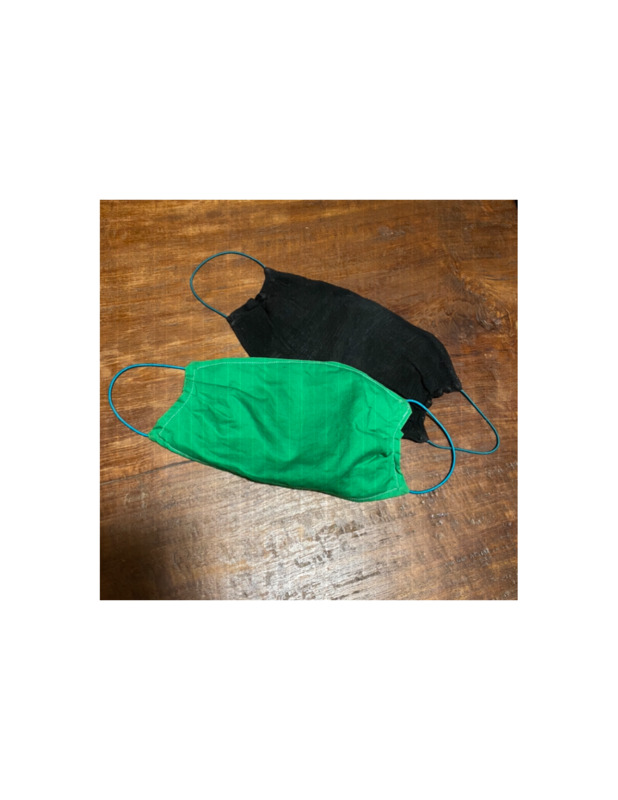
I moved back in with my parents right before lockdown during the Covid-19 pandemic never imagining how long it would go on for. Since my mother is a teacher she was at home with my younger sister and me during the entire lockdown. My father still went to work because he works for a city and was part of the emergency response to the pandemic. I remember going to the grocery store with my sister and seeing the empty shelves unsure of when they would be restocked. I remember the panic of needing face masks and not being able to find any. That is when my mother decided she would make face masks for us, our extended family and to donate. She pulled out the sewing machine, which originally was for when my grandmother would come visit, and set it on the dining table. My grandmother used to sew all the time when she would visit us and make my sister and I dresses and even matching dresses for our dolls. It was always a sound I had associated with her. I helped my mother in ordering and looking up information on which materials were recommended by health officials, then she set to work, making hundreds of face masks. Every morning I would wake up to the sound of the sewing machine and my first thought would be of my grandmother. As time went on I associated the sound with the pandemic, more specifically lockdown. My mother enjoys doing different craft projects and she really enjoyed making the face masks. It was a fun activity that I also enjoyed helping her with. She made face masks for my dad’s work which were donated to the fire and police departments. We also mailed masks to our extended family in New Mexico, California, and Mexico. We wore the masks ourselves if we had to go anywhere during lockdown. The sound of the sewing machine became a regular occurrence during those early weeks of quarantine. The sewing machine, especially the sound, used to only represent my grandmother making gifts for us. In Mexico, where my grandmother still lives, she used to have a small business making and selling clothing as a way to earn extra much needed money. It wasn’t just a hobby at that time, but a necessity for her and her family. The sound of the sewing machine, became something I not only associated of my grandmother but of the beginning of quarantine and the importance of knowing certain basic skills. Knowing how to sew, and even being able to use a sewing machine, may seem like an unimportant skill nowadays, which was something I used to think. However, that skill helped my grandmother and decades later is still helping the rest of our family. -
 2021-12-20
And a Happy New Year
My boyfriend and I had visited his parents over our Christmas Holiday from college. They had just recently gotten back from Hawaii, so they had travelled through several airports to get to and from Baton Rouge. Despite my boyfriend and I being vaccinated and wearing masks around his family, we came to find out that his mother had COVID (she is a staunch anti-vaxxer). Not one week after our visit, my boyfriend and I both tested positive. We spent Christmas and New Years holed up in our tiny apartment, feeling guilty that we had been to our respective works and to visit my relatives without knowing we were positive. His mother is still suffering from COVID complications, nearly eight months after originally having it. I'll never understand why people assume that public health and health education are a hoax. It could have saved everyone a lot of time and effort and suffering if the truth about vaccinations wasn't barraged by misinformation and public hysteria. -
2022-04-29
Depression during a Pandemic
The COVID-19 pandemic has been one the hardest things for me to deal with. I suffer from depression and often combat this by spending time with friends and family. Before the pandemic I would often spend my weekends with friends and visit my family after work on half of the weekdays. Throughout the pandemic, until recently it has been rather unacceptable to spend time in close contact with others. In the being of the pandemic during the first shutdowns and mandates I struggled deeply with having to stay home all the time. I became quite depressed and would often just sleep through my days off. I tried to do virtual hangouts with my friends and family, but it just wasn’t the same. I ended up planning socially distanced hangouts with my friends, often picnics/lunch in the park 6 feet apart. This really helped me because I was able to socialize with them in person. As the pandemic progressed, and I wasn’t able to see friends nearly as often as before I became more comfortable with being alone. I started to find the things I enjoyed doing on my own. I took time to really work on some of the issues I had been avoiding. I used the time I was forced to be alone in a productive way. Although the pandemic challenged my way of living, I still found a way to grow. Now that we are starting to get a better handle on the virus, life is slowly starting to return to what it was before. With the release of vaccines I have been able to start seeing my friends and family again. With the lower rate of cases a lot of the business I used to visit are reopening. As we start to return to “normal” I’ve found my new normal and I quite enjoy my alone time, just as much as the time I spend with others. -
 2020-09-22
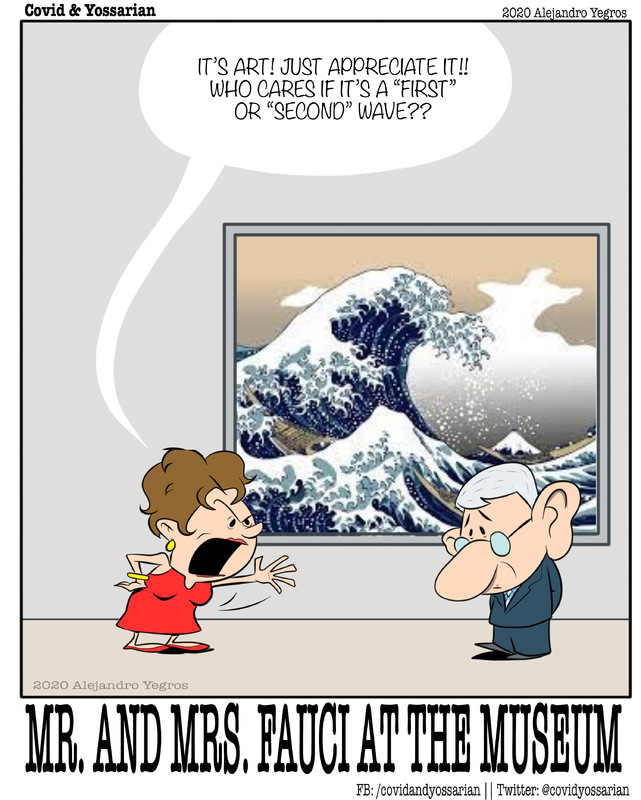
Visit the museum
A comic strip about Covid-19 -
 2021-07
Traveling During Covid
In July of 2021, travel was open in the UK. My family immigrated to the United States in 1998 from England. My grandparents, Aunts, Uncles and Cousins all still reside in the UK. Covid has been a very hard time as I could not visit my family and they could not travel to the US. When travel opened back up we were thrilled. My mom and I planned to travel to England in July 2021. The day before we were set to leave we noticed that my passport had expired the month prior. Since my passport had not been used in over a year, we were not aware that it had expired. We tried everything to get a new one as soon as possible, but there was a delay on getting passports out because many people had the same problems. Fortunately I was able to get an emergency passport appointment in Buffalo. I got my passport at the end of July and my mom and I were set to travel in August. Traveling to the UK required many covid tests, forms and mask wearing. I had not been in an airport in over a year, and this new way of travel was very strange to me, but I was still happy to be able to travel. Traveling back to the US also required many tests and forms, the National Guards were even placed in US airports making sure travelers were filling out locator forms. It was an insane experience, and hopefully travel goes back to normal in the coming years. Although it is a different way of traveling it is still amazing that we are able to leave the US and visit other countries after a long time of not being able to do so. -
 11/20/2020
Joanne Jahkne-Wegner Oral History, 2020/11/20
C19OH -
 05/26/2020
Dr. Basil Darras Oral History, 2020/05/26
Associate Neurologist-in-Chief at Boston Children’s Hospital, Dr. Basil Darras, talks about the many changes that have come along with the COVID-19 pandemic and how it has affected healthcare workers. Dr. Darras talks about the difficulties surrounding telehealth visits and not being able to properly diagnose his patients experiencing neurological issues due to social distancing. -
 2020
2020New England Student in COVID
It seems as though every winter all of the kids in schools get a cold. Classrooms have a chorus of sniffles and coughs until springtime and we all suffer sickness together. At least, that’s how it started. My college sent an email to all students, staff, and faculty, saying the school would be monitoring the COVID-19 situation in other countries on February 10th, 2020 and there was no threat to worry about. Everyone left for spring break on March 8th, 2020, expecting to be back in a week. Instead, we got an “extra week” of the break to make sure anyone who traveled could quarantine, just in case. That week turned into a handful more and started online classes ASAP. Students were given the opportunity to go back to the college in a 3-hour window to retrieve any materials necessary for a few weeks online until the surge dies down. Fortunately, I am studying computer science, so a majority of my professors had minimal difficulty making the change, but others were not as fortunate. Quickly, the handful of weeks became the remainder of the semester. All courses would be graded on the basis of pass/fail if the students elected for each individual course they were enrolled in, due to the nature of this huge and unprecedented turnaround. All exams were online, many professors canceled their midterms to alleviate stress from the students and fears of cheating. We would receive semi-weekly updates from the college, mostly fluff pieces about missing the student body with information that was important sprinkled in. Eventually, we were permitted to sign up for a window of time to go and move our belongings out of the dorms, once the state allowed outside travelers in. In the midst of all of the chaos, I transferred colleges and started the next academic year attending one that was much larger and had more resources at its disposal to deal with COVID-19. This school had planned to welcome students back to campus in fall 2020 with a few expectations in place. They had devised a “COVID-19 Compliance” system to keep the population safe and maintain records of who was following protocol. Students would have a “green badge” assigned to them in the morning if: they had completed a daily symptom check-in that was negative, they were up-to-date on their twice-weekly COVID tests and had not been marked as a close contact to someone who had tested positive. Had one of these not been completed, you would have a yellow badge to mark non-compliance, a red badge for isolation, or an orange badge if you were symptomatic. Students must show a green badge to enter ANY campus building. Some classes were online, others hybrid in-person/online at the discretion of the professors. Masks were to be worn at all times, students must get vaccinated once they were eligible, dining areas were to-go only, the campus was littered with signs to promote 6 feet of social distancing, and a student-run campaign called “F*ck It Won’t Cut It” was started to bring attention to the urgency of staying compliant to stay on campus. We would receive weekly updates about the status of the campus’s overall positivity rate. It felt like a shell of a college experience, as students could not visit other students’ residences, no clubs could have in-person meetings, attendance at sporting events was prohibited, and students reporting other students for non-compliance created an atmosphere of disdain. We are now in the second full academic year of the pandemic and there are a few deviations from what I described for fall 2020. Now, COVID tests are once weekly rather than twice, students can now visit other residences and attend sporting events, all of the dining spaces have opened up to sit-in dining, masks are still required at all times, all classes are in person, and the “F*ck It Won’t Cut It” campaign has been retired. It seems as though we are creeping towards the idea of a “typical” college experience, but it feels like this will have an everlasting impact on the next few incoming classes of students and change college as people know it. -
2020-03
Grandma and COVID-19
During the height of the pandemic in 2020, my family and I were super concerned about keeping the older members of our family safe. Keeping our 80+ year-old grandma safe was a challenge since she was under the impression that she was tougher than the virus, a mindset that seems to be shared across a lot of the elderly community. We tried not to visit her during the first couple months of the lockdowns, but eventually we went over to her house with masks on and stayed 6 feet apart. The pandemic created a difficult dilemma in which people wanted to keep their older loved ones safe, so they stayed away, but at the same time, the elderly were incredibly lonely as they had relied on family visits for stimulation and company. Now my entire family is vaccinated, so we can safely visit our grandmother, but the fear still lingers. -
 2021-08-28
Visiting Grandma
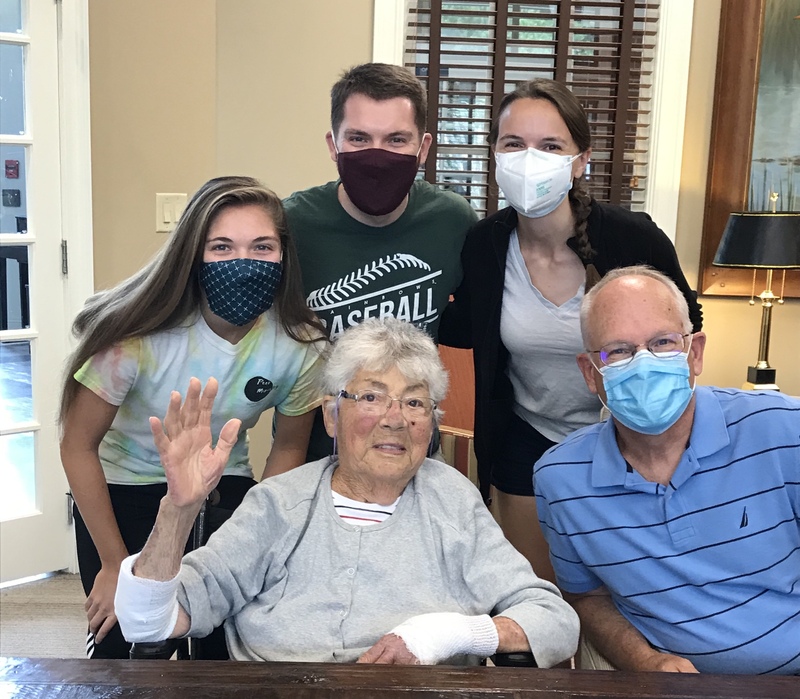
This photograph is from when my mom, dad, brother, brother's fiancé, and I flew to Georgia to visit my declining grandmother. For my entire life, my grandma, my mom's mom, lived in the next town over, only about seven miles away. However, as she aged and as the isolation from the pandemic set in, my family decided that it would be best for her to move to Georgia to live with my aunt, my mom's sister. Although we tried to take care of my grandma from the start of the pandemic through when she left in October of 2020, we lived in perpetual uncertainty and fear of exposing her to the virus. Every time we had her come over for dinner, we were afraid that we were taking a gamble, especially when the pandemic was just starting. My grandma moved to a care facility in Georgia in April. Since my grandma, my family, and I were all vaccinated, we planned a short trip to make sure we got to see her one more time. Although we were masked and only had a limited amount of time, getting to see us again meant a tremendous amount to my grandma. -
2020-04-01
Finishing my Undergraduate Degree during the Pandemic
I was starting the last semester of my undergraduate degree when the pandemic hit the globe. At this time (around March 2020) I was planing to work on my senior honors thesis and happy to start my master's degree in October 2020. But in order to finish my thesis, I had to do some intensive research first: my plan was to visit a big German archive in Berlin and also to do some research in a couple of libraries. But just before I could do so, all German institutions went into lockdown and closed for months due to health precautions. As somebody who studied History and had to visit an archive for my thesis, I felt like I was totally stuck in my academic studies. I felt like it was impossible to finish my studies in the scheduled time, and for months I didn't know how to continue my academic work. Luckily, my university was considerate enough to extend the submission date for my thesis. After a couple of months of not knowing if I could start my master's degree in time (and in general not knowing how my academic and financial future would look like if I didn't finish my undergraduate degree in time) the archives and libraries opened up again, and I could continue my research and finish my thesis. -
 2021-07-24
Janine Brown. Oral History, July 24, 2021
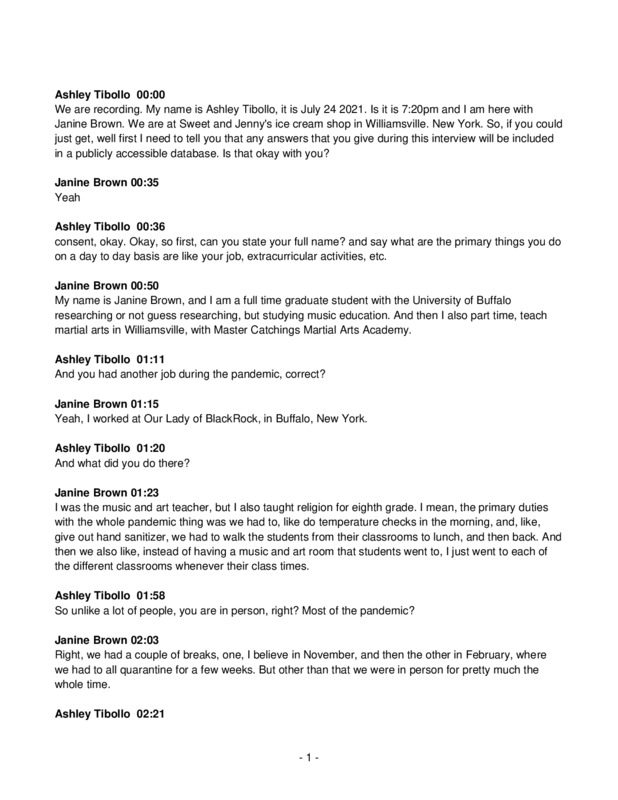
In this two-part interview, Ashley Tibollo interviews Janine Brown on how her life was impacted by the Covid-19 pandemic. In the first part of the interview, Brown discusses how her last year of college was impacted and about her transition to remote teaching. She discusses her fears of the Delta variant, what sources she uses to get her information and what her feelings are regarding government action. She also discusses family life and how she was affected by the quarantine. She ends this part with her hopes for the future. In the second part of this interview, Brown discusses her decision to move in with her boyfriend right before quarantine and what it was life navigating a new relationship amidst a pandemic. She also discusses her pets and how their moods changed as her life changed. She discusses the difficulties of house hunting and the ways that the pandemic has affected the market. -
 2020-05
Social Distancing
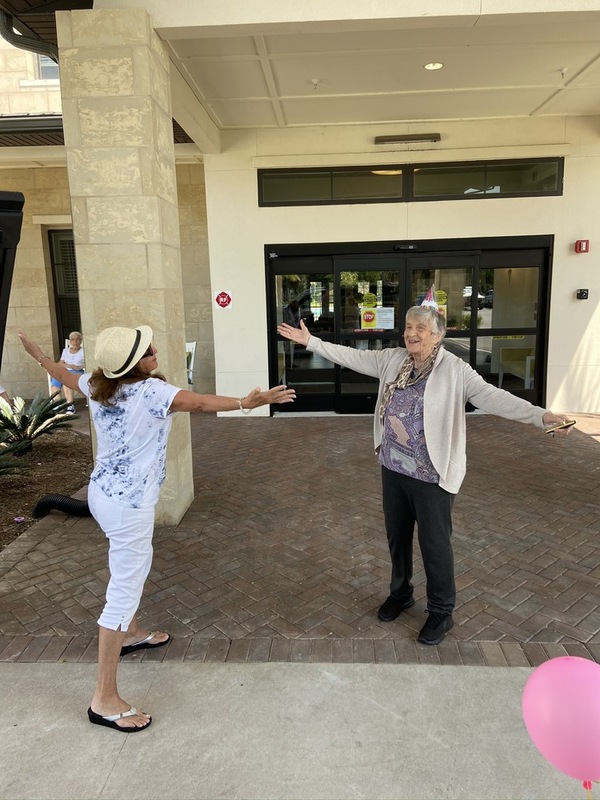
Being retired, my husband and I spent a lot of time going out to eat and dance and visit friends and grandchildren. Now we get to wave at our neighbors as they pass by separated from us at a safe distance. Some good friends we do not see at all because they have been scared to death by bad information. We spend a lot of time cleaning and re-cleaning the house and a few make work tasks. I have taken up bike ridging and a group of us do twice daily rides around the neighborhood. Our neighborhood has responded well to the stay-at-home by keeping safe distances. We have small group gathering in driveways instead of homes. Talking about the response to the virus has now become a "do not discuss topic" like religion and politics as households form their own opinions on what is safe. Some friends are laid back and some are panicked. Over all though our social circle is hanging in and anticipating the end of the lock down. Within my circle of friends we were always in touch but are now sharing more joke videos as they show up. My husband and I take short drives, break up the day, and visit with small groups of friends in driveways. -
 2021-03-06
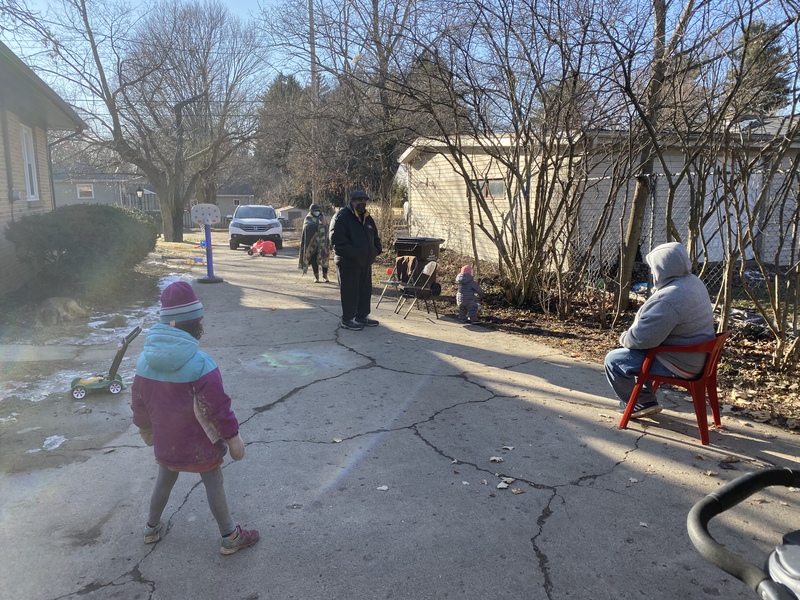
Masked Visit Outside with Grandparents in March 2021
Wanting to see the grandkids, my in-laws stopped by. They live about 45 minutes away. Everyone was outside, keeping about 6 ft apart with masks on while the kids played. -
 03/31/2021
George Martinez Oral History, 2021/03/31
This oral history is with 36 year old George Martinez, who identifies as male and American Mexican. He tested positive for COVID-19 in January 2021 and shared the physical and emotional impact of having COVID-19. -
2021-03-30
My Post-Covid Hopes
I hope I will be able to attend virtual school. I hope I can visit my friends. I hope my friends can visit me. I hope we can eat at restaurants. I hope the olympics will happen soon. I hope I can travel all over the world again. I hope we can go to amusement parks. I hope I can make new friends. I hope I don’t get lost on campus. -
 2021-03-29
Senior Border Patrol officer says border migrant flow will only worsen
"Senior officer says border migrant flow will only worsen" By Lyda Longa, lyda.longa@myheraldreview.com, Mar 29, 2021 The situation with undocumented migrants flocking to the Southwest border of the United States from Mexico is only going to worsen, a senior Border Patrol agent warned Friday. The agent, who spoke to various media outlets during a conference call, said at least 380,000 undocumented people had been apprehended at the Southwest border in February and the numbers would be higher for March and beyond. The agent spoke on background with the agreement that media would not reveal his name. “I fully expect to see the numbers increase as we go into the summer months,” the senior agent said, concerning migrant crossings. In Cochise County that warning has begun to bear out near Douglas and in Willcox, where the already stretched-thin Border Patrol is arresting more single adults attempting to slip into the country or taking in and processing children who are flocking to the border unaccompanied. Douglas Mayor Donald Huish said Friday the latest information he received this week from Border Patrol agents at the station just outside Douglas is that they’re confronting and repatriating about 100 single adults daily who are trying to slip in illegally. “They are getting closer and closer to town,” Huish said. What concerns Huish even more is that Border Patrol agents from the Douglas station are being pulled out to help in busier areas such as Yuma and Tucson. “They’re siphoning them off to the western part of the state and leaving us with a skeleton crew,” Huish said. In Willcox, Mayor Mike Laws said he was told two weeks ago by the Border Patrol there were 54 unaccompanied children at the Border Patrol station. “That was two weeks go. Who knows now?” Laws said. “The station can only hold up to 81.” Laws said he was told by Border Patrol that a “third party” has been arriving at the facility and taking 10 to 20 children to Phoenix by via bus. The mayor said he does not know how often the transportation comes or who the third party is. “We have not seen anyone (undocumented migrants) running the streets so far,” Laws said. “All we have is the youths, but we don’t see them either.” Laws and Sierra Vista Mayor Rick Mueller said citizens in their respective communities would gladly help the undocumented migrants but there aren’t enough resources available to do so. Laws, Mueller and other mayors in Cochise County signed a letter recently asking the federal government for help with the matter. Last week, the town of Gila Bend, which has a population of about 2,000, declared an emergency after Border Patrol agents dropped off a group of migrant families with children in a park. Gila Bend Mayor Chris Riggs told reporters he and his wife ended up using loaned vans to drive the families to the Phoenix Welcome Center so they would have a safe place to stay. Riggs said Border Patrol agents told him to expect more of the same. Mueller said there have been no such issues in Sierra Vista, but he is worried that the municipality, if hit with something similar to what happened in Gila Bend, would have no resources to offer. Last week Arizona senators Kyrsten Synema and Mark Kelly announced they’ve been pushing for more federal resources to help Arizona cities with a sudden influx of undocumented migrants. The senators helped secure at least $110 million from the Federal Emergency Management Agency as reimbursement to cities that assist migrants left within their jurisdictions. Also last week, Arizona Gov. Doug Ducey and Florida Senator Rick Scott — who sits on the Homeland Security Committee — called on President Joe Biden and Department of Homeland Security Secretary Alejandro Mayorkas to visit the Southwest border. Ducey and Scott, accompanied by a handful of law enforcement and other elected officials, had toured a portion of the border near Douglas. At his first press conference on Thursday since taking office in January, Biden said he would come to the border soon, but thought a visit now would deflect attention from the issue at hand. The senior Border Patrol agent who spoke Friday, meanwhile, said 300 Border Patrol agents who work along the northern border of the U.S. have been “mandated” to the Southwest border to assist with the influx of migrants. He said about 2,000 family units out of the 6,000 who are trying to cross daily are being processed in Texas by the Border Patrol. The agent revealed that unaccompanied children are being kept in Border Patrol facilities longer than the 72 hours established by law because too many are showing up and agents are overwhelmed. “They’re keeping them a few days, sometimes up to a week,” the senior agent said. Once an unaccompanied child is encountered, Border Patrol contacts the Department of Health and Human Services. The latter makes arrangements for the migrant children to be taken by the Office of Refugee Resettlement. The agent also mentioned an increase in the criminal element among undocumented migrants. “The threats we see are significant,” the senior agent said. “We have seen criminal (undocumented migrants).” Additionally, he said that COVID testing for migrants is only being done in facilities in Del Rio, Texas, and soon in the Rio Grande Valley in Texas. Other than that, testing is being undertaken by non-governmental agencies that are helping the migrants and U.S. Immigrations and Customs Enforcement officials. He said it was probable that some migrants with COVID-19 may have been released into communities. -
 2021-01-27
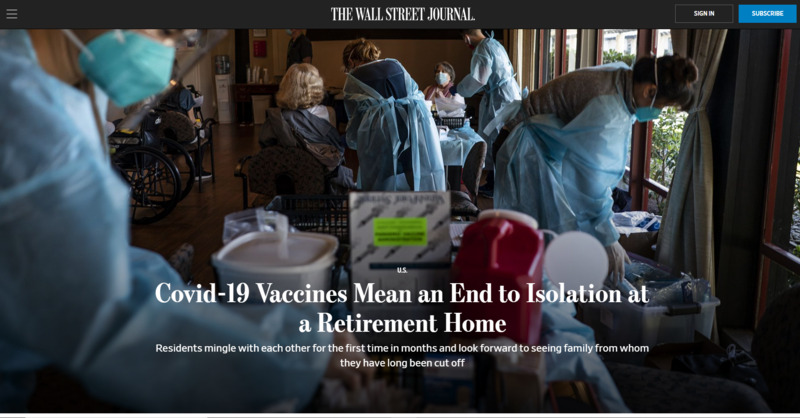
Covid-19 Vaccines Mean an End to Isolation at a Retirement Home
Retirement home residents have started to receive the COVID-19 vaccine. For many, this means they can visit loved ones in different care units and see family. However, high COVID-19 rates are keeping some retirement and other care homes from letting their residents visit or have visitors. -
 2020-12-01
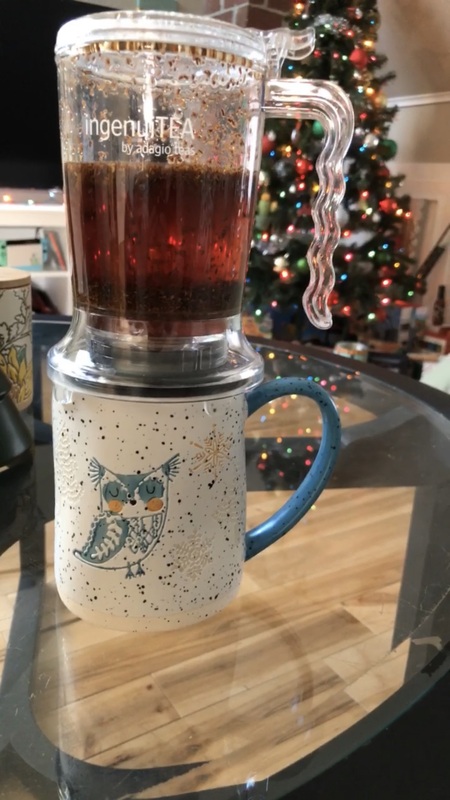
Tea Time Together
I am very close with my mom, and used to regularly visit my grandmother, but I moved across the country right before Covid-19 and was unable to visit this year. I was feeling extremely homesick during the fall, as my grandmother and I have birthdays near each other and usually celebrate together but we were unable to do so this year. While my grandmother and I did send letters and cards to each other and I facetime with my mom fairly often, I was still experiencing a feeling of loss and a lack of connection. To bring us together, my mom proposed that the three of us all use the same tea advent calendar to celebrate the holidays. We all got the same mug, the same tea set, and spent the month of December enjoying tea from three different places, which allowed us to feel a sense of togetherness, even when we are apart. -
2021-01-27
Losing Grandma
A week and a half ago was my grandmother's 90th birthday. I shared here about our family's disappointment at not getting to have a big party and instead visiting her at her window. Now she's in the ER, awaiting a transfer to hospice. It doesn't seem to be COVID, although the tests aren't back yet. No one knows what happened or why. There are no ICU beds available and resources in general are limited to investigate why a 90 year old woman who was fine 12 hours earlier is now unresponsive and on a ventilator. No one can go visit her. We're not sure if we will be able to visit her at the hospice. Grandma has had health scares before but nothing like this. Before we would be coordinating visitors and making sure someone was by to see her everyday, even if she was unconscious. Now we’re limited to the family group text as my aunt follows up with doctors by phone and relays information to the rest of us. She’s pulled through before but this time feels different. The doctors are all stretched so thin and resources are so limited that all the odds are against her. I used to take Grandma out at least once or twice a month. We’d go to a movie or just lunch. Maybe run some errands. I haven’t seen her without a window between us in nearly a year. I’m probably never going to get to hug her again. -
2021-01-21
A personal story of how I have been affected by someone testing positive.
During the COVID-19 Pandemic, I had both sides of my family get it. My dads parents and my cousins, and my cousins on my moms side. This was really hard because I usually visit them every holiday or try to at least. Since they had COVID I wasn't aloud to see them or visit them. This was really hard because since wasn't aloud to see them I didn't know if it would be there last day, my grandparents are all 80+. This was a personal story of how I have been affected by someone in my life getting COVID-19. -
2021-01-08
Covid over winter break
Over Winter Break my family and I drove in our Black SUV Ford Explorer Sedan 1200 miles or 18 hours to Cheyenne, Wyoming to visit my Grandparents. Along the way we stopped at the local Starbucks' to pick up a coffee for my coffee obsessed mother and we were on our way. When driving through Los Angeles, California you should always expect to be caught in traffic which was a minor setback, but we still made it through. The rest of California is very ugly being that its just Desert for 200 miles. During this time my sister spends her time spreading her nasty feet across the seat onto my body and refuses to move them for at least an hour. When I attempt to do this I am immediately yelled at and pushed off within 3 minutes. My dog which is completely lazy lays his little butt down between my sister and I and sleeps 3 quarters of the trip. My dad drives the whole time because my mom throughs a fit and refuses to drive even a single mile. And I sit down under my sister's legs under her super hot grey blanket in a cramped SUV in the desert and despite all that the car ride was pretty nice. When we finely arrived at our hotel in Grand Junction, Colorado we went out to Applebee's which I got to say is pretty good. I got the rib plate and a kiwi lemonade which I got to say is really good. At around 7:00 we arrived back at our hotel where we all collapsed and went to bed. At 5:00 we got back up, got dressed, brushed our teeth, and walked out of our hotel in to 20 degrees ferenheit. I made a mistake and decided to do it in sweat pants and a T-shirt. The rest of the drive was much shorter and a lot more scenic with the beautiful Colorado mountains and snow on the ground. we stopped at a local Maverick Gas Station to fill up and we all got out and used the facilities, even the dog. and the rest of the trip was nice. When we finally arrived we hugged our Grandparents and went inside. They have a enormous beefy Black Labrador named Hatti that for some reason liked to lick my dogs ears. Around 5:00 my aunt, uncle, and cousins came over and once again we hugged and visited for the rest of the night. over the next few days we went over to our cousins house to hang out and have a ping pong tournament, I lost badly. Over that time we went to my cousin's friend house to look through a telescope and witness something that only happens once every 400 years. Jupiter and Saturn join together in the sky and and create a bright light known as the Christmas Star. After that we went back to our Grandparents house to spend the night. the next day we went ice scating at the local arena and I swear I spent more time hitting and bruising my body parts on the ice then on my scates. The next day we spent most of the time playing pingpong with our cousin's. The next day we went to an escape room which we successfully completed and the next day it was Christmas Eve. That day was absolutely amazing. It started with launching a potato with a potato cannon across the ranch my grandparents own. After that we went to the shop and we did our own scavenger hunt which is our tradition. And then we went back to our Grandparents house to have our Christmas dinner with our great Grandma who is 92 and had our annual lemon cake. We went to bed and woke up and it was christmas. I got a lot of good stuff. like clothes a new football and a new build your own remote control rock crawler jeep. and then it was time to leave and go to our other Grandparents in Colorado Springs, Colorado. There we had a second Christmas Where I got New Airpods and a lego set. we hung around the house for mostof the days but we went to our other aunt and uncle's house and visited them for 2 days. And then it was time to leave to go back home the way we came marking the end of our trip. -
2021-01-07
Covid Christmas
This Christmas was a lot different than the ones in previous years. Normally, my family would hop on a plane and travel to the midwest or the east coast to visit family. Because of the virus, we couldn't fly and visit our relatives so we wouldn't get infected with the disease. Over our Christmas break, we took smaller ski trips to Mammoth and in northern California. We spent Christmas and New Years as home though, which was actually a nice change from years past. Christmas could definitely gone worse and we just had to adapt our plans as we had all year long. -
2020-12-25
Christmas During the Pandemic
This year's Christmas was different. For example, we didn't visit with my Grandpa as much as we normally do, though we did stop by and say hello. Also, My Grandma didn't come by our house on Christmas and do the gift exchange with us. This year, it was just me, my brother, and our parents at home together. -
 2020-10-15
Galvin Bisserup, Photographer, and the Father's Day Men's Chorus Project
"Galvin P. Bisserup, Jr. is the owner and principal portrait photographer of Glickman Studio Photographers which has been in Freeport, NY for 98 years. Over the years he has captured the many eventful moments of individual lives, from infancy through seasoned adulthood. For over three decades this professional photographer has been behind the camera capturing the smiles from the heart and soul. In this interview, Galvin recounts his career and how his work as a community photographer has been impacted by COVID. He also describes a project from this past spring which resulted in the creation of a music CD in celebration of Father’s Day with his men’s chorus. This interview was recorded by Juilee Decker and Joysetta Pearse with Galvin Bisserup on October 15, 2020 at 6 pm ET and lasted approximately 40 minutes. It was conducted over Zoom. A transcript is attached, along with multiple images associated with the interview, provided by Bisserup. It is part of the LongIslandCommunity series, an initiative of COVID-19 archive (Juilee Decker) and the African American Museum of Nassau County (Joysetta Pearse)." -
 2020-12-08
Most Memorable Curations
As I have learned to curate for the Journal of the Plague Year Archive this semester, I have been exposed to the many stories of different types of people during this awful pandemic year of 2020. Of the many items that I have curated, quite a few really stood out to me, and I tried to narrow it down to just one, but I couldn’t, so I chose two. The reason these two items stood out to me, and why many did, was the fact that they were relatable and they were emotional. The first item that really stood out to me was submitted by a woman that talked about why the pandemic terrifies her. She talked about how sad it was to see people not taking this seriously, and how ignorant people were being. She also spoke about the violence, and the rush to buy an insane amount of items from the store to prepare for what felt like an apocalypse. The part that got me was at the end, she discussed how she had been furloughed in her company and she had no source of income, so she had to move into an apartment. You could really tell how scared and stressed she was just by reading it. I could really feel her emotions and it really made me sit back and think about how many innocent people are being put through such hell. The second item that really stood out to me was submitted by a woman whose mother was in a nursing home. There was a picture submitted with the text that showed her mother peeking through her window. Nursing homes are among the many businesses that are very strict and are taking extra precautionary measures, so her mother is not allowed to have any visitors, only through a window. Her mother is 98 years old, and it saddens her to not be able to see her mother, especially not knowing when the next time she will be able to. I can personally relate to this because my grandma lives in a nursing home back in my hometown of Lewiston, ID. It is hard enough to live so far away and not be able to see her, but now I am not even allowed to see her when I visit home. It has been a hard year for my family because my grandma has dementia, and not being able to visit her cuts even deeper. My mother has especially had a rough year, because she has to sit and wait to see her mom, not knowing when that will be. -
2020-11-30
Becoming a Care-Giver During a Quarantine
While walking outside in early March, my husband suddenly bent over, grabbed his chest, and gasped for air. We got an emergency appointment for an electrocardiogram (EKG) and a sonogram, which were scheduled about one hour apart. While undergoing the sonogram, the doctor who had read the EKG burst into the exam room and exclaimed, "You have to take him to the hospital NOW. Drive slowly—don’t rush. They’re ready for him; go in through admissions, not emergency." A few days later, Arnold underwent open heart surgery—a triple-bypass procedure. After his first week of recovery, his hospital nurse informed me that I was no longer allowed to visit because of pandemic safety measures. Complications arose, so Arnold stayed in the hospital for 23 days, while I remained at home able to communicate with him only by phone, and unable to talk to his doctors and nurses. Arnold was finally released under the condition that he would participate in cardiac rehabilitation but, on the day of his release, all of the rehab facilities closed due to the pandemic. So the doctors; their assistants; and physical & occupational therapists explained, by phone, what I needed to do to become Arnold’s care giver and therapist at home. This, in addition to having to learn how to nurse the 1-inch wide by 1-inch deep hole in his leg from where they had removed the veins they used for his bypass — the stitches had broken loose. In the weeks that followed, I drove Arnold to the office for his follow-up visits with the surgeon, but I was not allowed to go in with him. I, the care-giver; pseudo nurse; and physical & occupational quasi-therapist, was prohibited from seeing the doctor and his assistant while they examined my husband and gave instructions about how to continue his recovery. Instead, I sat in the parking lot while my husband insisted that these medical professionals conference me in by phone. I received oral instructions over my cell phone about how to modify Arnold’s ongoing care, but with no demonstrations. So I did not know if I was doing things correctly until his next visit, when they would correct me and provide more detail about how to keep him alive. During this time, all encounters involving other human beings were my responsibility, while Arnold remained in quarantine. I remained vigilant—or, more accurately, constantly on edge—about not bringing the virus into our home, sterilizing myself as well as all groceries and packages that crossed our threshold. I had to replace my wedding band with a thinner one because of the skin damage that formed from so much hand-washing. Once the surgeon released Arnold to his cardiologist, we began video-visits—at last, I was allowed into the appointment—virtually. The cardiologist urged me to invent activities my husband could do around the house that would take the place of formal occupational therapy. Quite a challenge, since Arnold was prohibited from lifting anything that weighed more than five pounds so he wouldn’t pop the wires that now held his sternum together—wires that could puncture his vital organs if broken. No pressure. Fortunately, Arnold survived his surgery, and we both survived his unorthodox post-op care. He can now lift up to 25 pounds and, just yesterday, he asked when I was going to "stop coming up with all of these crazy projects" for him to do. I told him to take it up with his cardiologist. We’re approaching normal again. Now we’re anxiously awaiting the release of the COVID-19 vaccination. -
2020-11-22
Voting during the pandemic
The 2020 election was supposed to be my first chance to actually vote in person: unlike my peers, I was only 17 during my senior year of high school, and I had spent almost all the subsequent years out of state. And while I might have had the opportunity to visit my polling place in 2019 that was no longer an option once I signed up to be a poll worker and was assigned a precinct that was not close enough to mine to make it during my lunch break. Covid already disrupted my plans to be a poll worker for the 2020 Ohio primary in March and I forwent the opportunity to work the polls during the general election due to the risk of virus spread. Although I myself do not have many risk factors, I live with my mother who is in a higher risk category and occasionally visit my grandmother who is even more so, therefore I try to limit my exposure as much as possible. With voting in person seeming too risky, I went with my old standby of voting by absentee. However, while I normally complete the entire process by mail (the Ohio Secretary of State automatically sends me a request form at this point), I did not feel entirely confident entrusting my ballot the USPS this year. Rather I made use of the drop box at the Hamilton County Board of Elections so that I could be assured my vote would count and not be affected by the widespread postal service delays partially induced by the virus. Thankfully, the BOE has the functionality to allow me to track my request form, my incoming ballot, and it being recieved and counted so I could be doubly sure of everything working. -
 11/08/2020
Jacoby Mena Oral History, 2020/11/08
Jacoby Mena, a 9th grade student, shares his views on staying home, the BLM movement, anti-maskers, and staying safe during the pandemic. -
 2020-11-02
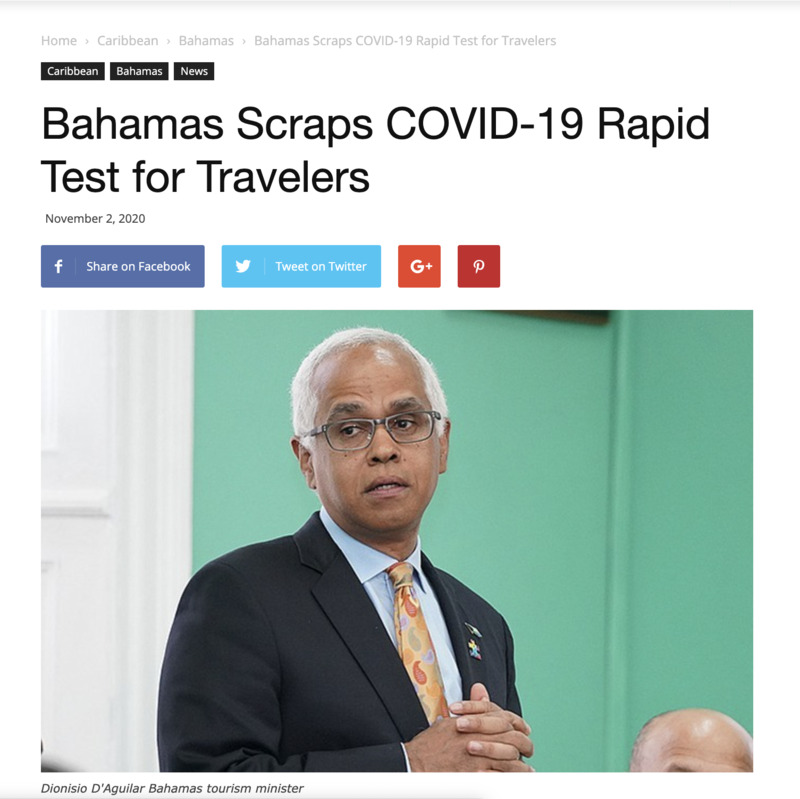
Bahamas Scraps COVID-19 Rapid Test for Travelers
The Bahamas is desperate for tourism to supplement its economy. The rules previously in place pretty much stifled any tourism dollars that could enter the island. The new law is incredibly beneficial for that purpose and should allow tourism to regain traction. This is good for me. Maybe I might try to go visit my family. -
 2020-06-27
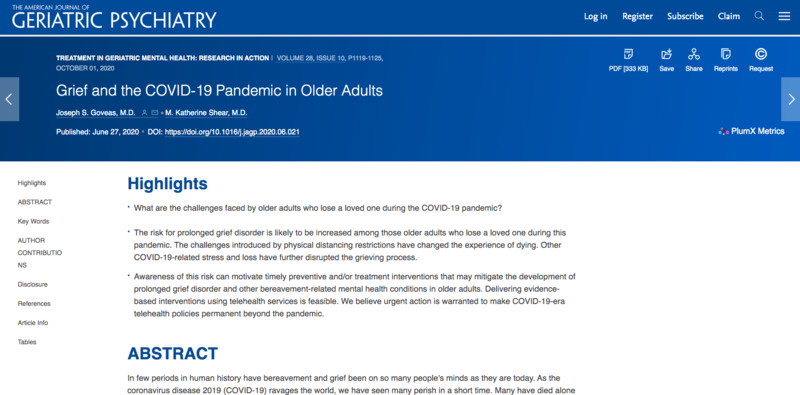
The American Journal of Geriatric Psychiatry Examines Covid-19 Grief Among Elderly
Doctors Joseph S. Goveas and M. Katherine Shear anticipate an increase in prolonged grief disorder after the pandemic. They contend that this will hit older Americans particularly hard. Their research begins with an anecdote about Alice, a 78-year-old woman, who lost her brother Charles, aged 69. The two were very close. According to the article, Alice felt guilty that she could not be with Charles during his moments. After his death, she experienced loss of sleep and weight loss, although it was not severe enough to be categorized as major depression. Below is her story from the article. “Seventy-eight-year-old Alice lost her only sibling, Charles, age 69, to the coronavirus disease 2019 (COVID-19). Alice and Charles lived in different towns but were very close, speaking daily on the phone for hours. They were practicing Christians and had similar interests. He often drove to visit her. They enjoyed spending time with each other and doing things together. Despite having coronary artery disease and hypertension, Charles was independent and happy. Alice was shocked to learn he had been hospitalized for COVID-19 pneumonia and that he was intubated and on a ventilator. A bereavement coordinator reached out to her, which she very much appreciated. However, Alice declined an offer to visit Charles, frightened of contracting the disease herself. She understood that she, too, was at high risk for dying of COVID-19 because of her age. Although she tried to reach out to him via Skype, Charles died with only the bereavement coordinator and hospital staff at his side. Alice completed the funeral arrangements via Skype. Charles was cremated without her being present, and his ashes were delivered to her. Several weeks after his passing, Alice was plagued by remorse for abandoning her dying brother. She yearned to be with Charles and could not believe he was gone. She fluctuated between numbness, overwhelming sadness, and intense guilt. She could not stop thinking that she failed her brother during his last days. She was having trouble sleeping and was beginning to lose weight but did not meet criteria for major depression. She liked to reminisce about fond memories of Charles and knew he was with God. She had confidence in the religious belief that she would see him again one day. She also knew that she wanted to live and that she would carry Charles in her heart for the rest of her days. She continued to talk with the hospital bereavement coordinator weekly, an important source of solace. They often discussed the details of her plan to hold a memorial service in celebration of Charles’ life after pandemic restrictions are lifted.” -
 2020-09-21
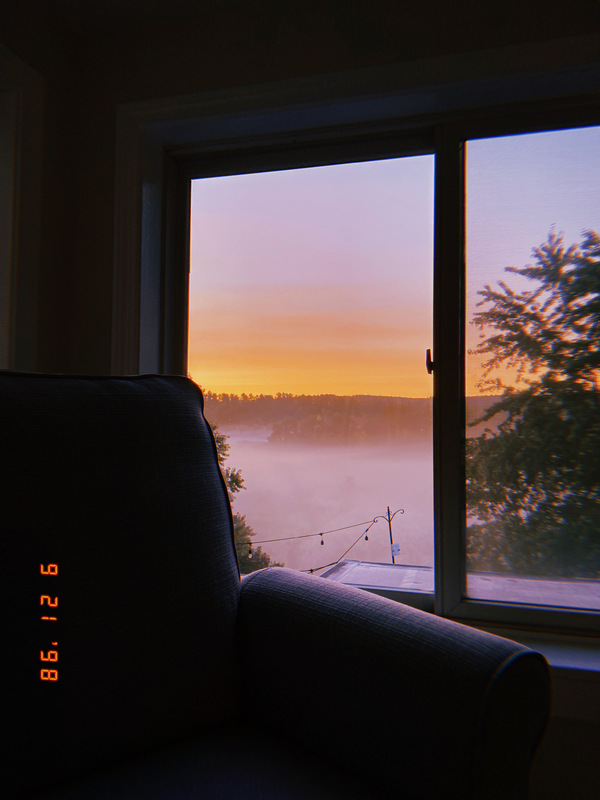
Visiting Derry, NH
This photo is from the three days that my friends and I spent in Derry, New Hampshire at the end of September. Because all of us were home for either the year or for the semester, we all realized that being at home was getting a bit restless, so, the four of us decided to pay a visit to my friend Michaela's house up in Derry and visit. There was a weird sense of deja vu for me since I was born there and there were places that I could still remember going to with my family. This photo was taken in the sunroom, a place where two of us often did homework, while the sun was rising on our second day. Right after this, we went back to sleep until our classes stop and Abbie, despite having the idea, did not make it out of bed for this. -
 10/10/2020
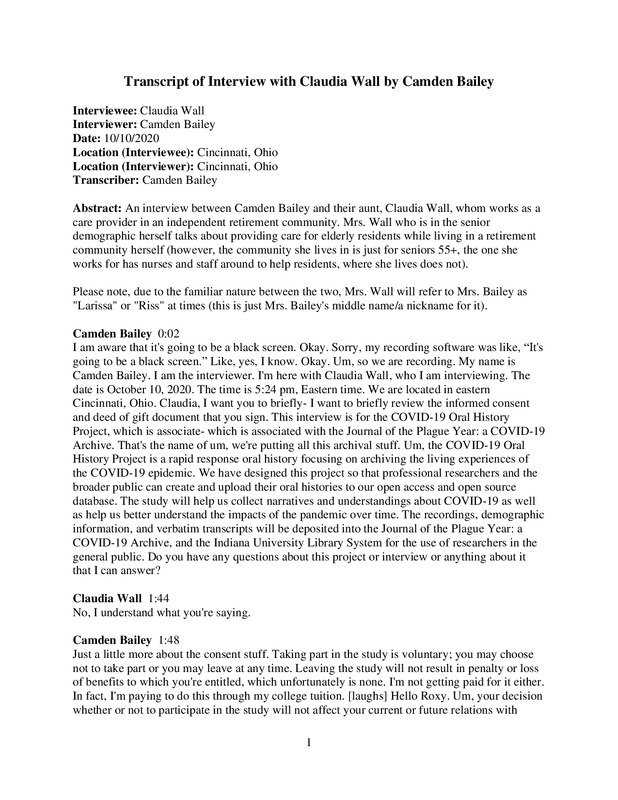
Claudia Wall Oral History, 2020/10/10
An interview between Camden Bailey and their aunt, Claudia Wall, whom works as a care provider in an independent retirement community. Mrs. Wall who is in the senior demographic herself talks about providing care for elderly residents while living in a retirement community herself (however, the community she lives in is just for seniors 55+, the one she works for has nurses and staff around to help residents, where she lives does not). Please note, due to the familiar nature between the two, Mrs. Wall will refer to Mrs. Bailey as "Larissa" or "Riss" at times (this is just Mrs. Bailey's middle name/a nickname for it). -
 2020-10-01
Should I Go Home?
COVID-19 has created a situation like no other. You can honestly go and study abroad. With all classes being online and there being no in-person meetings you could pack your bags and study wherever there is WIFI. Ironically this also proves risky. Going to places that have high-risk family members is difficult. I could go visit my grandma in The Bahamas, but what if I bring COVID... It's interesting seeing how countries and managing their own issues of travel. Countries like The Bahamas that are dependent on tourist travel, are desperate for a time of reopening, often crafting plans that allow travel. -
 2020-10-20
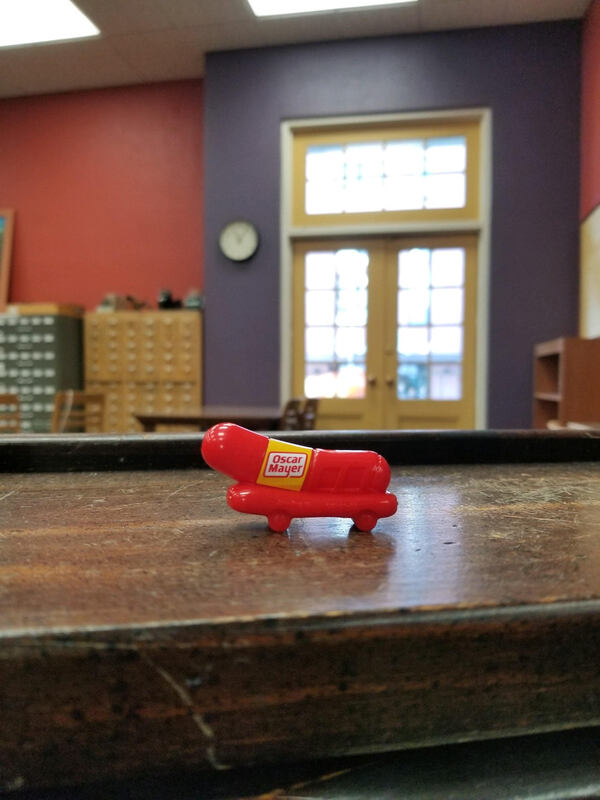
An Unexpected Visit by the Wienermobile
After 7+ months of isolation and with our museum closed to the public for most of this year, my coworker and I - archivists at the Arizona Historical Society in Tucson - were delighted to look out the library window and see the Oscar Mayer Wienermobile parked in front of the newly-opened hotel across the street. And to preface this story - this hotel just opened during a pandemic after construction delays all year, and working across the street we've been subjected to the horribly annoying sounds, smells, and dust of construction ALL DAY LONG for this entire year. But as soon as our last researchers left the museum, we raced outside to take pictures with some of the other museum staff. The amount that the unexpected visitor has made us laugh this week has really brought out how tough this year has been on us all mentally, so much so that the tiniest thing has made us smile more than we have in months (and despite the fact that we're all die-hard opponents of capitalism and I'm a vegetarian). -
 2020-10-06
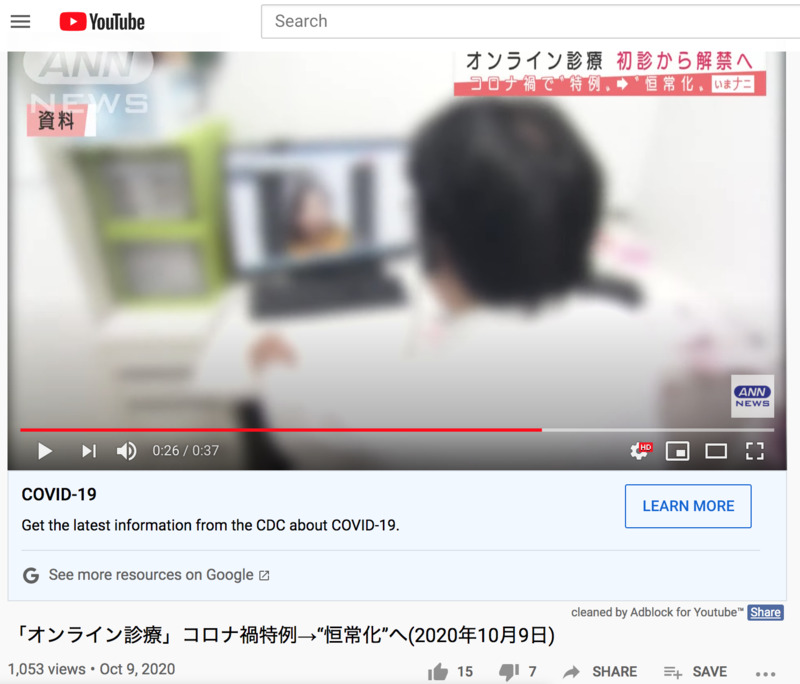
「オンライン診療」コロナ禍特例→“恒常化”へ(2020年10月9日) - "Online diagnosis/check-up " Exception for Corona → To "normalized" (October 9, 2020)
オンライン診療が初診から解禁される見通しです。 オンライン診療は新型コロナウイルスの感染拡大を防ぐために現在、特例的に初診であっても認められています。田村厚生労働大臣は8日に平井デジタル改革大臣と河野規制改革大臣と会談し、感染の収束後も安全性と信頼性を確保したうえで、初診も含めてオンライン診療を認める方向で合意したということです。テレビ電話など映像があることが原則となります。オンライン診療を巡っては、医療の質に影響が出ると日本医師会が慎重な姿勢を示していました。 Online medical care/diagnosis is expected to be used from the first visit. Using online medical care/diagnosis for the first visit is currently only permitted for special instances to prevent the spread of the new coronavirus infection. Minister of Health, Labor and Welfare Tamura met with Minister of Digital Reform Hirai and Minister of Regulatory Reform Kono on the 8th, and agreed to allow online medical care including the first medical diagnosis after ensuring safety and reliability even after the infection has resolved. As a general rule, there should be camera and ways to do video calls. The Japan Medical Association has been cautious about online medical care, saying that it will affect the quality of medical care. -
 2020-09-26
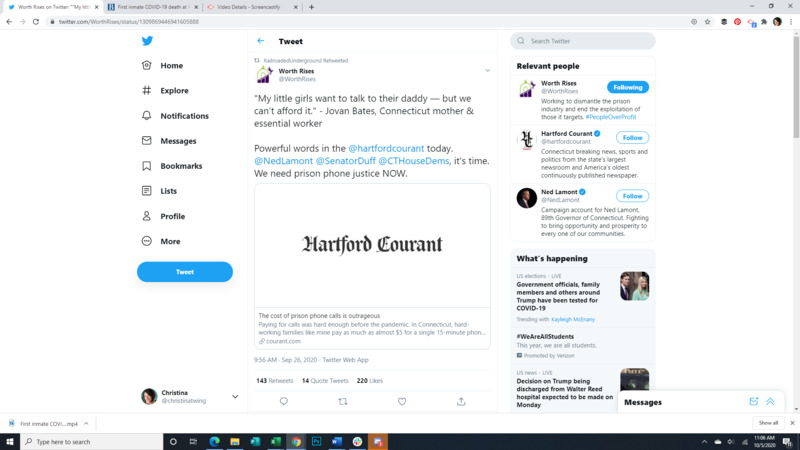
The Cost of Prison Phone Calls Prevents Family Communication, Especially During Covid
Phone calls from incarcerated persons to their families has always been expensive but what many don't realize is that the pandemic has made it even worse. Back in March when much of the nation shut down to prevent the spread of Covid-19 the nations correctional facilities closed as well. Families could not longer visit their loved ones. There have been times when phone calls were also stopped because of the transmission possible through sharing phones and just having people out of their cells. But once phone calls were allowed families faced a new crisis, being able to afford the phone calls. Fees for phone calls from an incarcerated person are charged to the recipient of the call or to the prisoners personal account and cost a lot per minute. With so many people out of work due to the pandemic families are faced with the decision to speak with their incarcerated loved one or buy groceries or pay the rent. This article shares the story of one mother and the impossible decision she is faced with every time her phone displays a call from her incarcerated husband. -
 2020-09-29
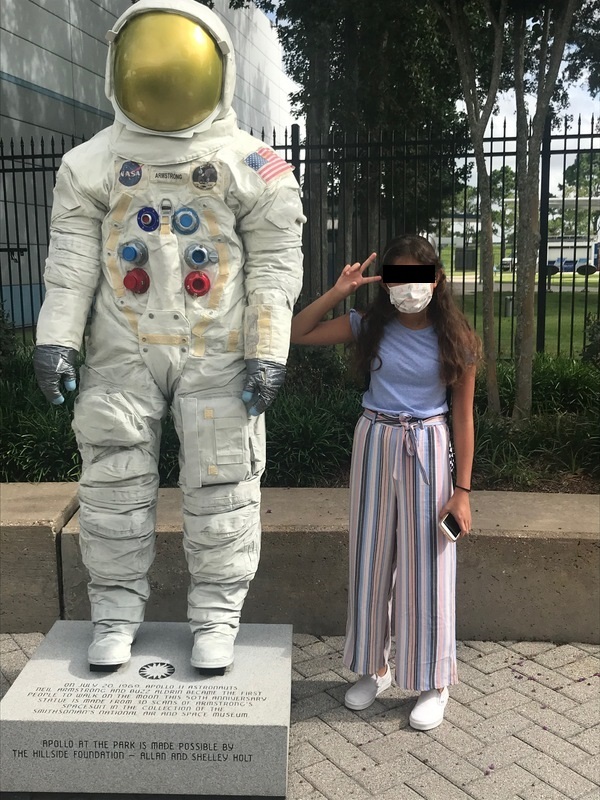
Making the best...
We are living in a world of crisis with COVID-19. trying to keep some type of normality for my daughter has been a little hard. Not being able to hang out with friends, not being able to go to the mall, amusement parks has been hard. Never the less I have found ways for her to have some type of normality (while practicing social distancing). We were able to travel to Arizona and visit family members, as well as visiting my parents in TX. While being there we were able to visit the NASA museum, Galveston Pier, and the zoo. We knew this school year would be different. Social isolation has impacted her in a good way let me explain. The last semester of 6th grade was not the best. She was dealing with a lot "teenage drama" which was affecting her school work. It was not her best semester but never the less she was able to get it together. As this new school year started she has been able to focus in her studies maintaining her grades up. I know its almost 3 months since school started but hey, I am optimistic. -
 09/18/2020
Victor Madsen Oral History, 2020/09/18
Victor Madsen is a freshman at Northeastern University. He went to a high school in Florida, and he shares his experiences since the beginning of the pandemic. Mr. Madsen shares his story about how he was stuck in the Bahamas for a long time due to changes in traveling policies during the pandemic. -
2020-09-14
The days that turned into weeks that turned into months that felt like years
The news broke out of a deadly virus in Wuhan, but it felt isolated—almost as if it would not spread outside of a certain radius. However, as the early days of 2020 continued, that hope became less and less a reality for the epidemic, which was transforming into a pandemic, COVID-19. The impending fear of the virus circulated throughout the 24-hour news cycle and into the homes of many Americans, even the living room of my own shared apartment. Although, I did not feel the closeness of fear or unpredictability until mid-March. Being a senior in college, I had applied to graduate programs, of which I was scheduled to fly and do a university tour March 12-15. Come to find out later, the university was shutting down mid-semester and upon my visit, the virus was the talk of students, faculty, and staff. I remember walking and in and through Ronald Reagan International Airport (DCA) and not bumping into strangers going to their flights, having to wait in TSA for no more than 20 minutes, or worrying about if my flight was going to be obscenely overcrowded. You will note this is quite rare at DCA and illustrates the abnormality of the social situation of the airport due to the pandemic. More simply, people were staying home, shut up in their houses and apartments for the suspicion of who did or did not have the virus in a global city (Washington, D.C.) caused widespread panic. This is not the first time the world has erupted into a panic or shut themselves into the “safety” of their homes. A Journal of the Plague Year by Daniel Defoe recounts the plague as it decimated London and the surrounding towns. He describes the plague as a great fire, one that, “if a few houses only are contiguous where it happens, can only burn a few houses; or if it begins in a single, or, as we call, a lone house, can only burn the lone house where it begins. But if it begins in a close-built town or city and gets a head, there its fury increases: it rages over the whole place, and consumes all it can reach” (150). Here we may understand, or at least in the context of my understanding and experience with COVID-19, that the virus would take root where it could consume, namely in large cities like New York City (where there was comparably a mass exodus and high rates of infection) and D.C (increases in COVID-19 cases daily). However, the 2020 pandemic reflects more than a mechanical, comparative read of Defoe’s Journal of social, scientific situations. It is a lens that begins to deconstruct how our current contexts affect the reading of the Journal—a flash of reality if you will. Who would have thought that a text published hundreds of years ago had a mirroring affect? Now that the global community is months into the pandemic, the U.S. being at around 7, I cannot help but think that the Journal is even more relatable. Defoe claims that, “The Justices of Peace for Middlesex, by direction of the Secretary of State, had begun to shut up houses…and it was with good success; for in several streets where the plague broke out, upon strict guarding the houses that were infected, and taking care to bury those that died immediately after they were known to be dead, the plague ceased in those streets” (Defoe 28). As I initially read this sentence, I was troubled by the intensity of shutting people up by force. Earlier in 2020, many people in the U.S., if not all, had experienced some form of mandate restricting their movements in public spaces. Although there was talk of Marshall Law, which may be like what Defoe describes here, people (generally) at first were willing to comply. After some time in homely isolation, some felt the need to loosen their habits of isolation. What complicates the reading for me because of my current context, is the discussion surrounding those who are symptomatic or asymptomatic of which Defoe claims that, “namely, that it was not the sick people only from whom the plague was immediately received by others that were sound, but the well” (144). I guess, now in 2020, we still do not have much of a solidified idea of how the virus is spread, reports varied and swayed between direct contact, airborne, or bodily fluids like through a sneeze or cough. Although, with viral and antibody testing, there is a clearer idea of who may have had or has the virus which is unlike that of Defoe’s context. Modern medicine has enabled researchers, physicians, nurses and doctors, janitorial staffs, and more to navigate the infectious field better. This in particular affected my reading because the general “we” understand more effectively the dangers, precautionary steps, and conditions around viruses. During the plague years that Defoe details, there was no scientific guidance, except for the religious guidance of God. The Journal at numerous points suggests that people after some time began to accept willing their fates of eminent death because of their lack of options. I would like to hope, that in 2020 this depressing fate mentality is not reflected as openly, although I cannot be sure. Rather than suggest that the Journal puts into perspective COVID-19, I would argue that COVID-19 puts into perspective the Journal; readers like myself can imagine how instances set forth in 2020 resonate in the Journal. I have not seen the physical effects of the virus on people like medical staff do, but I have witnessed the widespread fear and uncertainty surrounding: how can I keep myself/family safe, how will I begin to pay bills without a job, can I budget enough for food this month? I myself being laid off from my job while on my graduate school visit (and at the quick emergence of the virus on the East coast) yet struggling to find answers to these questions (thankfully I had help). I must say, the days felt long, the weeks felt longer, the months felt longest giving the impression we had been tackling the virus for years. Who knows, maybe the global community and within a U.S. context will continue to see spikes of COVID-19 for years to come. Like the unknowing in the Journal, we all just do not know. Work Cited: Defoe, Daniel. A Journal of the Plague Year. Dover Publications, INC, 2001. -
 2020-07-04
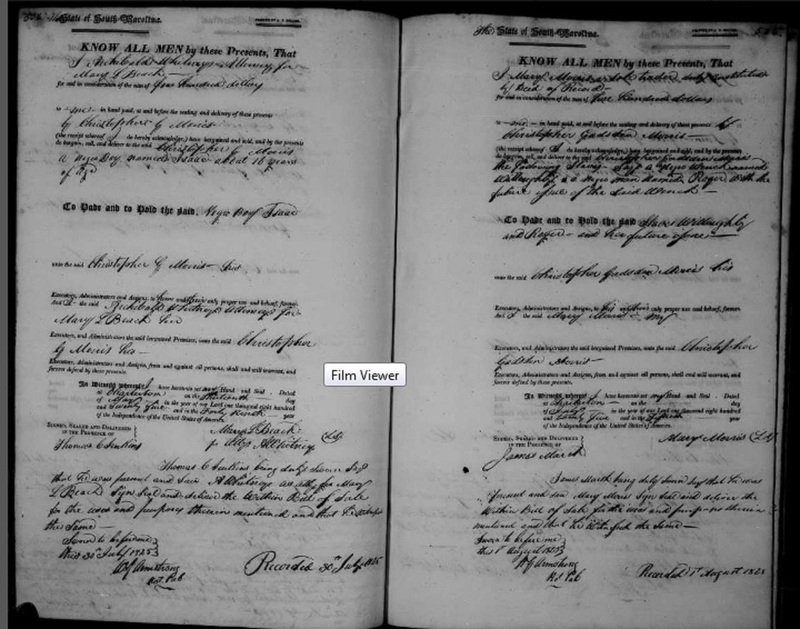
This Work is Spiritual: Finding Willoughby McWhite
COVID gave Janice Gilyard the opportunity to dig deeper into genealogy, one of her hobbies. On July 4, 2020, she uncovered details about the remarkable life of her 5x great grandmother, Willoughby McWhite, who was enslaved. Janice tells about her uncovering of her 5x great grandmother in this way: So here we go. Yesterday, I called my Grandmother to wish her a Happy 97th Birthday (She was born on the 4th of July and she is the ONLY reason I look forward to the 4th of July). I was already disappointed as I could not visit her in South Carolina because of the current covid crisis. Then I was really upset because I could not find the darn photo of my son holding a fish he had caught to include in a photo collage I was preparing to post on Facebook for her. You see, my grandmother was the first person to take my son fishing and everyone refers to her as the fishing lady. I finally got around to posting the collage and called my Aunt and asked her to kiss my grandmother on the forehead and tell her it was from me. That is our thing if I can’t visit. Of course we started talking about family and then she started giving me names she hadn’t mentioned before. I’m the family historian for my maternal and paternal lines. I' m like what the heck!!!! I've been talking to you for 25 years and today you give me NEW names? So we kept talking and I decided to bring up my Ancestry account to enter them. All of a sudden, I saw a note that someone had written for ONE OF MY ANCESTORS. I was already excited that I was adding two additional generations and then BAM!!!!! I S L O W L Y read a note that someone had shared, looked up the reference and what do I see? One of my favorite shows was listed!!!! The History Detectives (aired on PBS). What was the focus of the segment? A woman’s grandfather had purchased a lot of Civil War memorabilia (They live I in Wichita, Kansas). WHAT was the last item included in the material he purchased? A SLAVE BILL OF SALE! WHERE did they start filming? CHARLESTON, SC! WHO was it for????? WAIT FOR IT…. My 5th GREATGRANDMOTHER!!!!!!!!! Who was one of the featured researchers asked to assist in the research? JOSEPH MCGILL from the SLAVE DWELLING Project! WHEN DID THIS HAPPEN? IN 2012! WHERE was JOSEPH MCGILL when they filmed his segment, Slave Cabins in Florence, SC which I visited over 25 years ago WHEN I FIRST started doing my research!!! WHO else was featured? An Archivist in the same blasted town that my family is from and I’ve met him and talked with him several times about DIFFERENT lines of my family and he helped me so much!!!! Where did my enslaved ancestor live, not far from where we purchased a home in SC several years ago!!!!! Don’t tell me that we are NOT on a SPIRITUAL QUEST when we do our research. I did not plan to do ANY of this yesterday into the next morning (It is now 3:45 AM AND I feel like I have a rubber band around my head because I should be sleeping but I can’t go to sleep until I finish getting this on paper) !!!!! I am stunned and in shock. I encourage you to following the pulling and tugging at your spirit and to listen to the still small voice that guides you to do certain things. I personally believe it is God and our Ancestors directing us to find them and tell their stories! One more thing! Please help other people with their research. I do this all the time and I’m convinced that I’m being helped along the way because I help other people as much as I can. Following is the link to the show that aired. It is at the very beginning. Thank you for reading. From a proud descendant of a STRONG woman who endured, overcame, and refused to die during the struggle!!! Her name was Willoughby and I honor and celebrate her today with my entire being! (Other items in the archive include an interview recorded on July 21, 2020). -
 05/27/2020
Alberto Puig Oral History, 2020/05/27
Oral History project from Northeastern University. Christina Lefebvre interviews Alberto Puig. Alberto Puig teaches at Mass General and at Harvard Medical School. At Mass General, he directs a clinical teaching service for the Department of Medicine, where a group of physicians work closely with medical students and residents during their clinical inpatient education in the inpatient medicine services in the hospital at the Department of Medicine and Mass General. The team takes care of patients in the context of being clinical teachers. Alberto talks about his experiences, opinions and hopes concerning COVID-19 and his hopes for continued medical and social understandings. -
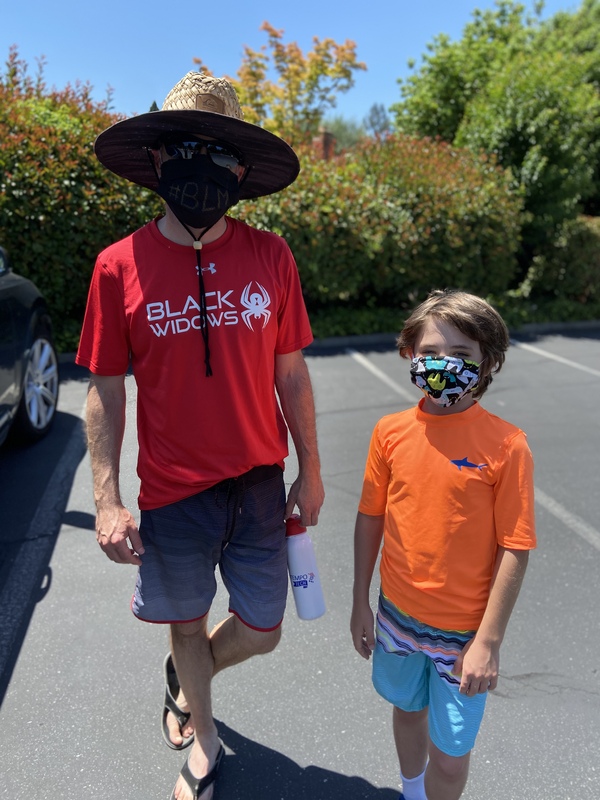 2020-06-26
Neighborhood Pool visit
Our neighborhood pool just reopened. I had to make a reservation online for our family for an hour session. Our family had our own swim lane assigned by a lifeguard and they staggered our entry in and out of the pool so we didn’t get too close to others. 5 families max in the pool. 2 lifeguards and 1 COVID-19 monitor. The kids had fun but it’s hard to see life being lived so differently for them. -
 2020-06-26
Ballarat 9 26 June 2020 - Don't Necessarily Travel to the Regions!
I found the original article by Ben Groundwater extremely irritating and opposed to the balance of medical and state opinion. Just because the middle class are denied the opportunity currently to travel overseas does not mean they should be pounding off to regional centres which have largely been exempt from COVID-19.