
Items
Search full-text
futcoins 26 Besuche die Website Buyfc26coins.com. Beste Qualität..N7Ft
-
 2020-12-08
Advice For The Public During Covid-19
The World Health Organization (WHO) on their website has some advice for the public on how to stay safe in general during the pandemic. Some precautions include keeping rooms well ventilated, avoiding crowds, cleaning your hands, and coughing into your shoulder. They also go on to explain how you should avoid the threes C’s; spaces that are closed, crowded or involve close contact. They do not suggest having gatherings indoors, if a gathering is needed the WHO recommends to meet people outside and wear your masks. In the midst of all of this they do not want you to forget the basics of good hygiene. They promote regularly washing your hands with alcohol-based hand rub or wash, avoid touching your eyes, nose and mouth and clean and disinfect surfaces frequently mostly those which are regularly touched. They finish off by knowing what to do if you feel unwell. They lay out the symptoms of covid-19 and tell people if they experience any of these to self isolate themselves. -
 2020-12-14
Canadian Broadcasting Corporation Coronavirus Tracker
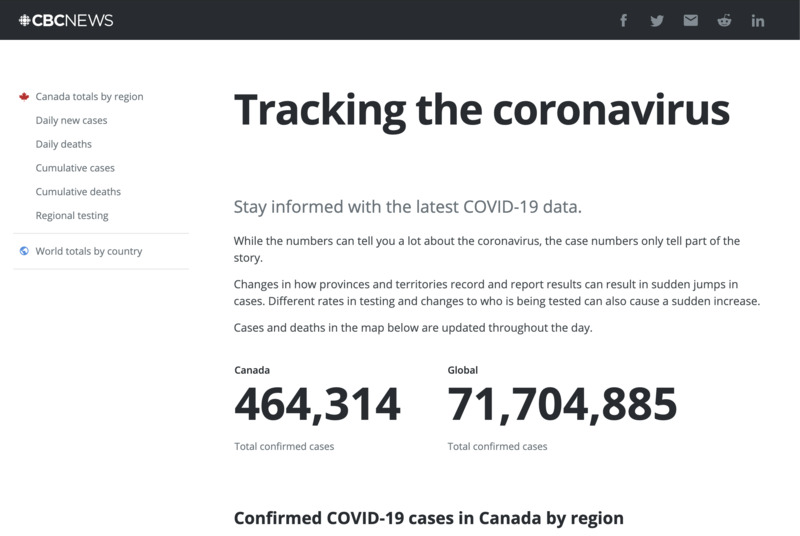
An interactive website that lets users look through the path of COVID-19 in Canada -
 2020-09-09
Crisis Line in a Pandemic
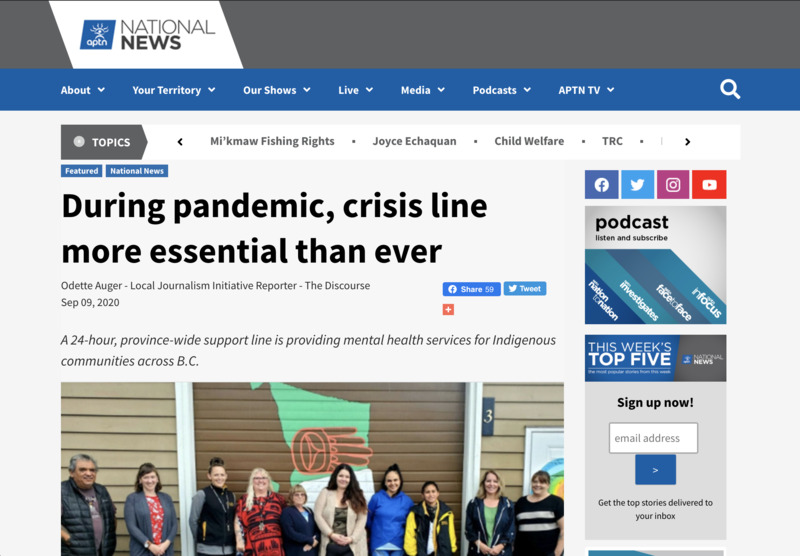
An article from the Aboriginal Peoples Television Network (APTN) about the importance of crisis phone lines to mental health in Indigenous communities -
 2020-12-03
Worsening Mental Health in NB as Pandemic Causes Stress
A statement from the Canadian Mental Health Association concerning the negative impacts the pandemic is having on mental health in Canada -
 2020-12-07
Untraced Outbreak Causes Stress on P.E.I.
A statement from Prince Edward Island Public Health Department concerning a recent outbreak with no known source -
 2020-09-17
Stroke Can Be The First Symptom
News article about the prevalence of stroke in young people with COVID-19 -
 2020-12-02
Epidemiological Summary of COVID-19 in Canada
A summary of COVID-19 cases, hospitalizations and deaths in Canada -
 2020-03-16
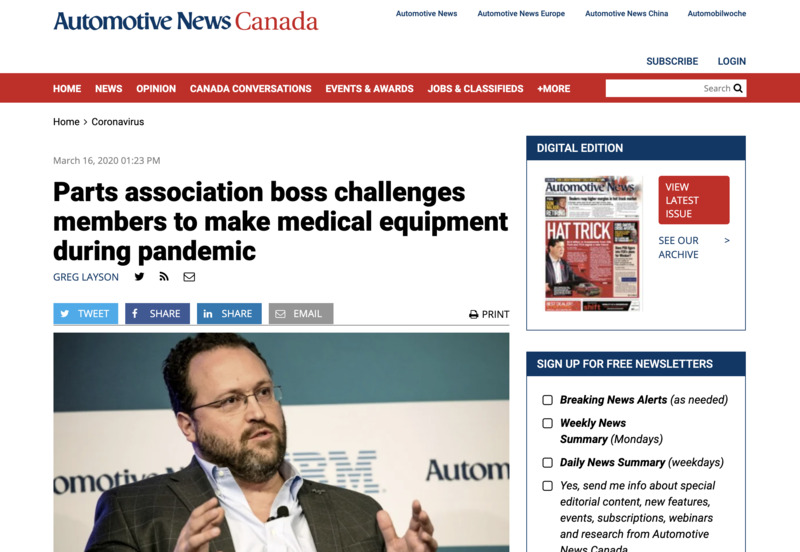
Switching Lanes: Autoparts manufacturers turn to making vital PPE
A news article about the possibility of car parts manufacturers switching to making PPE in the early days of the pandemic -
 2020-12-13
Nunavut Health Facilities Map
A Map showing all the active health facilities in Nunavut -
 2020-10-16
Social funeral: Bereavement Authority of Ontario
This release provides an update on the procedures for funerals during the pandemic. -
 2020-11-18
Staying Safe In Restaurants And Bars
As bars and restaurants continue day to day operations all over the United States, the Centers for Disease Control and Prevention (CDC) offers consideration on their website in ways they can reduce the risk for employees, customers and the community. These establishments will collaborate with their state and local health officials on how to implement these considerations. When considering these ideas they are meant to supplement and not replace any state or local health and safety laws. The longer people interact with one another the higher risk of spreading covid-19. One key take away from the article that stuck out to me was the spacing that the CDC recommends and that I see mostly in restaurants and bars today. Capacity has been reduced and tables have been moved six feet apart to slow the spread. -
 2020-05-11
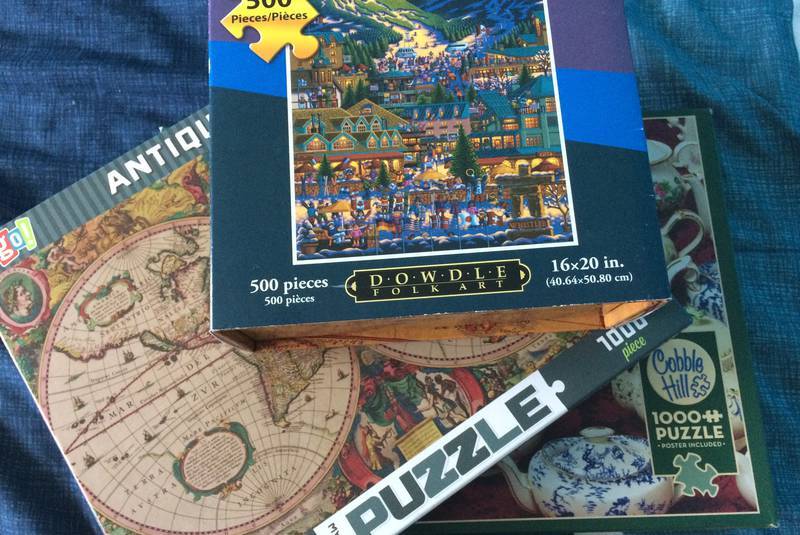
Will interests in puzzles, crafts continue post-COVID?
The maritimes remained isolated largely from the rest of Canada during lockdown, and Nova Scotians pre-occupied their time with not only gardening, but crafts and puzzles, much like the rest of Canada. This article enquires into the sudden obsession with puzzles and wonders if this trend will remain popular post-COVID-19 or become a one-time event? -
 2020
2020Canada Strong Coming Together
A clothing line produced by Collins Clothers to help support small businesses -
 2020-04-03
Some Canadians are turning to their yards to grow their food during the COVID-19 pandemic
Canada's garden industry exploded during lockdown as citizens searched for new ways to remain productive. This article explores one woman's experiences gardening in Ontario and how she extended her garden's life throughout lockdown. This article will provide additional context to the role gardening had in Canada and the many benefits people reaped from a socially distanced activity. -
 2020-03-31
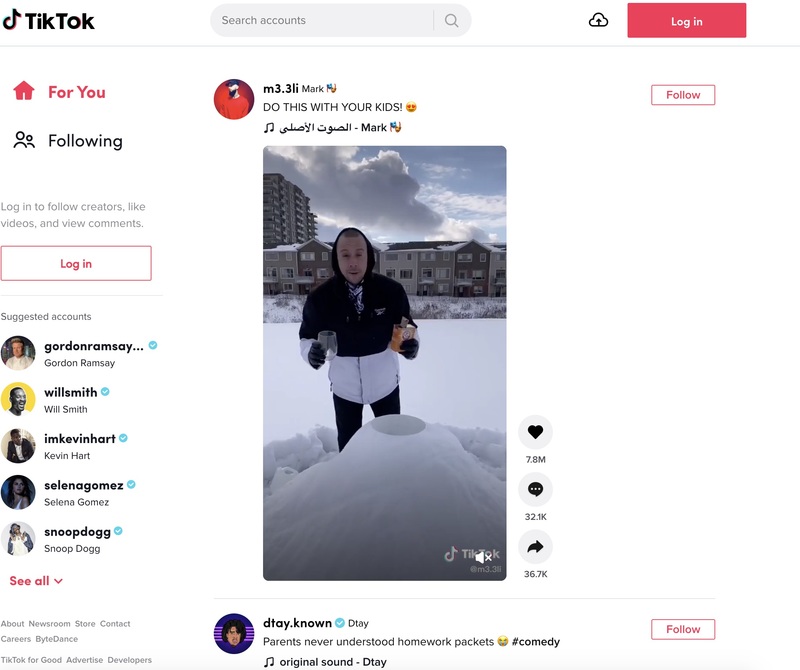
TikTok Saving Millions from Boredom During the Pandemic
I chose this because I think it was actually really significant during the pandemic, and also just in 2020. TikTok is an app where people create 60 second videos, it can be dancing, making food, doing pranks, whatever you want. TikTok started becoming popular in 2019, but it really blew up in March when we were all stuck inside. I know from myself, I spend endless hours on TikTok, so did the rest of my family, even my parents. I haven’t met anyone who didn’t go on TikTok, or at least see TikToks online during lockdown, it was everywhere. I think this is significant to the pandemic and 2020, because it was how most of us kept busy, around the world. We were all watching the same videos, doing the same dancing trends, cooking the famous food for that week, etc. TikTok now has 850 million users. -
 2020-03-19
Online Courses to Help with Anxiety Amidst the Pandemic
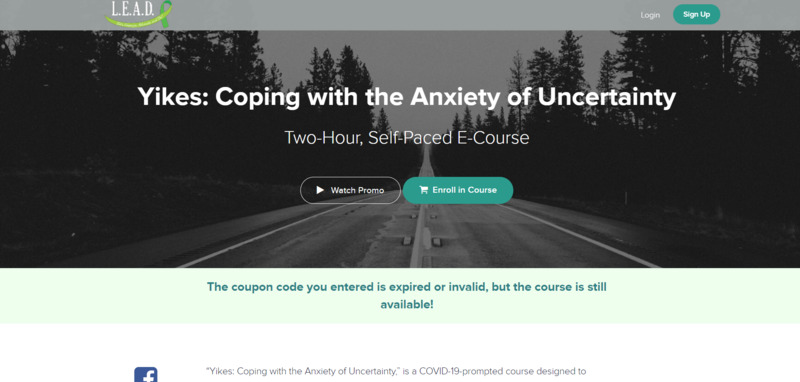
During the pandemic, I was an intern at a nonprofit, LEAD Inc., where we created online courses and webinars that give people tips and tricks to dealing with anxiety, working from home, and things to do during the pandemic. I think this item amplifies the voices of a marginalized group, people who struggle with anxiety already, and who struggled even more during the pandemic. It is also a great example of a small non-profit who took an advantage of the pandemic, and worked to try to help people during an unprecedented time. A lot of items I found were just things people did during the pandemic to pass the time, but at LEAD, we actually put together an online course to inform and help people who struggle with the anxiety of uncertainty, and we give lots of information and tips in the course. -
 2020-12-08
Wings Over the Rockies Through the Pandemic
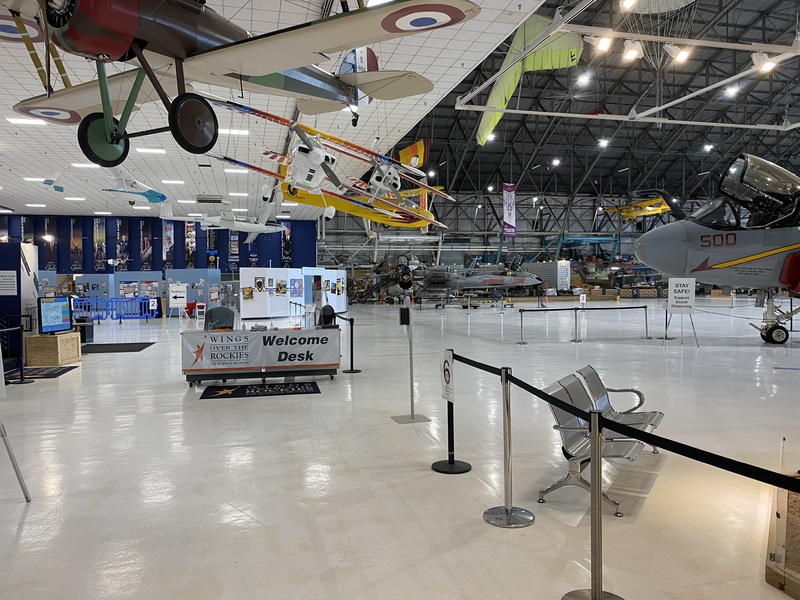
Wings Over the Rockies Air and Space Museum is located in a hangar of the former Lowry Air Force Base in eastern Denver, Colorado. The museum offers a host of historic aircraft, artifacts, space objects, and more. According to their website, each year the museum can expect “roughly 160,000 visitors representing all 50 U.S. states and 34 countries around the world.” This year has been much different. The pandemic of 2020 has had a major impact on people, the economy, and businesses all around the world. Certain organizations that rely on in-person attendance has been hit especially hard by the effects of COVID-19. Wings Over the Rockies closed its doors on March 13, 2020 indefinitely. Some staff members were able to continue to work from home. Others were not. When Wings reopened its doors over three months later the museum looked and operated entirely different. In an effort to follow state and CDC guidelines as well as put staff and guests at ease, the museum adopted a new system. Now, museum staff and visitors require face masks, the hangar is sectioned off to keep track of the amount of people in one area, signs and markers are placed throughout the museum to enforce social distancing, and visitors are required to pre-purchase timed tickets. Even with this entirely new system throughout the museum, the biggest effect of COVID-19 on the museum is the silence that plagues its building. As people are reflecting on the pandemic and adjusting their own lives to the changes it mandates, certain organizations, like museums, are struggling to attract visitors. Compared to the year 2019, the attendance to the museum during the months of August through November was down an average of 55% this year. Events at the museum, which provides a major source of revenue, is down 75%. A majority of employees work an average of 2-3 days from home per week. The educational programs that Wings provides, which previously saw students running about flying model airplanes and even building an actual plane, are being moved to virtual platforms or are being cancelled entirely. The question for places like museums is not “when will it be safe to return,” because the 182,000 square foot hangar boasted by this museum is more socially distanced than your local grocery store. The question is, “when will people feel financially and mentally comfortable to return to optional places such as museums.” Until society can step up and do what is necessary to return life to normal, the hope is that the educational and fascinating gems, like the Wings Over the Rockies Air and Space Museum, can keep its doors open to see that day. -
 2020-12-07
Nolan Oral History 12/07/2021
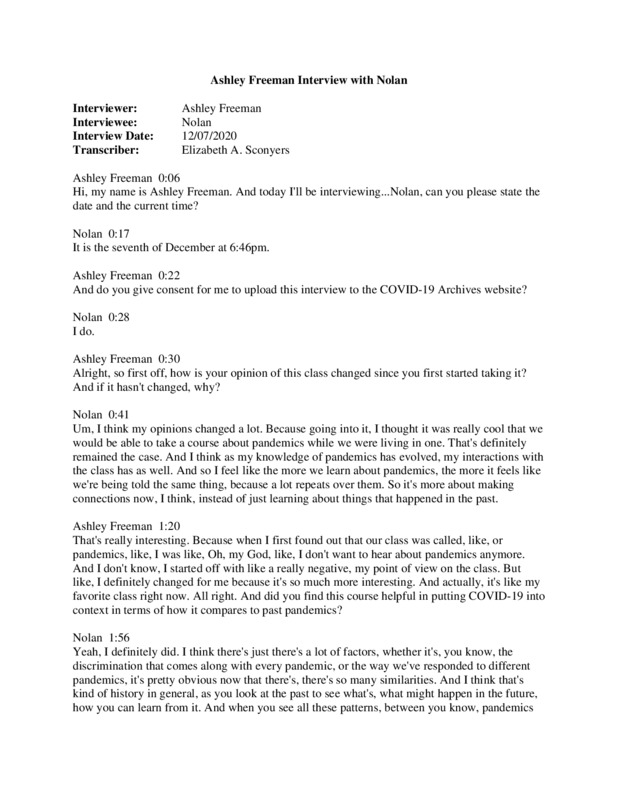
A few questions that show how Nolan's thoughts of the pandemic have changed. -
 2020-04-27
COVID-19 Memory Archival Project
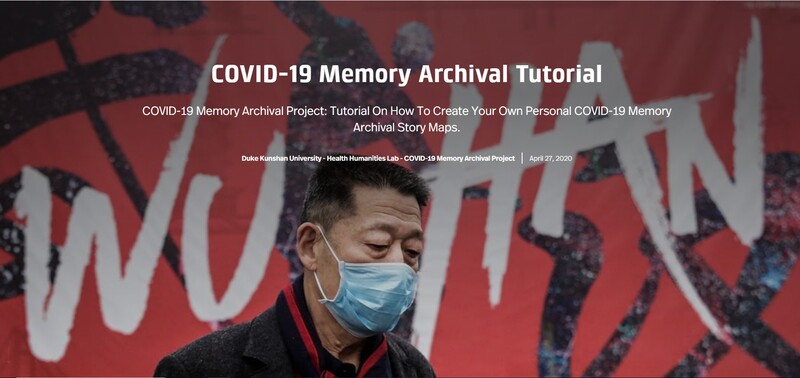
This is a project that aims to collect as many personal stories as they can. Through archiving the pandemic, they want to assess the impact of COVID-19 on people. -
 2020-05-16
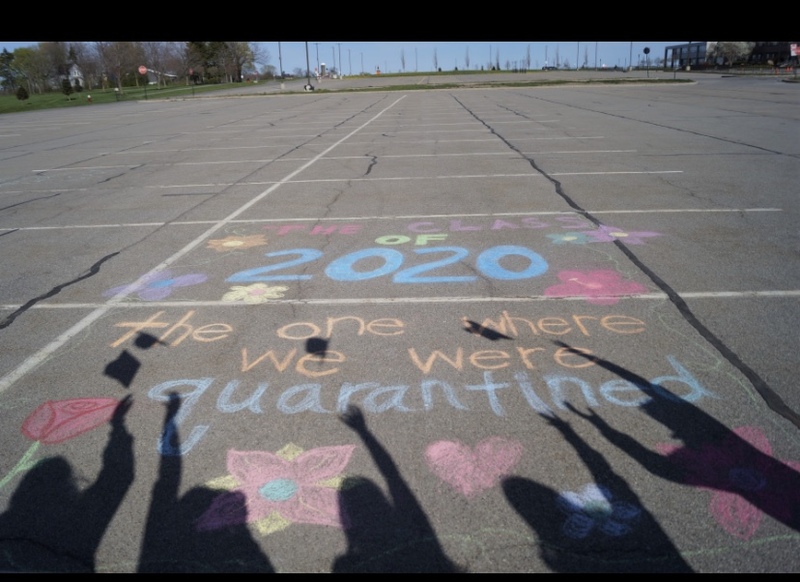
The One Where We Were Quarantine
This is a chalk drawing that my friends and I made when we learned we would not being going back to school. This was very difficult because of the fact we were seniors had didn't get all the special things our last year . We wanted to make our mark on the school in a way that would show the school how much we loved coming every day. We went to the school and made this in the parking spots we usually parked in every day. This ended up going on the local news and the school website. -
2020-04-05
Working during a Pandemic
For my first artifact, I chose a photo taken in April 2020 of me wearing a sign telling people to stay six feet away at Agway of Cape Cod in Dennis, MA. It is shocking to think about now, but at this time I was not required to wear a face mask while at work. I have worked at Agway for several years and am familiar with the business, products, and customers. However, the experience I had at Agway this past spring was drastically different than what I was used to. Agway had implemented a curbside pick-up only method, meaning customers were no longer allowed to shop in person. This was very difficult for a lot of people, especially considering the elderly demographic that frequented Agway. Many customers were confused or angry about the system, despite its implementation as a method of protecting the health and safety of everyone – employees and customers alike. Agway had never before offered an online shopping option, but they quickly went to work creating a website complete with thousands of products to ensure the simplest and safest means of acquiring essential items like pet supplies that Agway provides for residents of Cape Cod. As a cashier, a typical sale during early COVID-19 times included a customer calling the store, the customer waiting on hold for anywhere between 30 seconds and 15 minutes for the next available employee, the customer listing their items for cashiers to “pick,” paying with card only over the phone, and finally an employee delivering the items to numbered parking spots. Needless to say, this process was a lot to handle and grow accustomed to, and was often very frustrating and stressful as both customers and employees learned together as humans how we were to alter our lives and routines in response to an unprecedented global pandemic. -
 2020
2020Jewish Melbourne: Jewish Care Coronavirus updates
Jewish Care runs an aged care home, and so during the Covid-19 crisis they provided regular updates to their community. This was particularly the case when residents and staff tested positive. -
 2020
2020Jewish Melbourne: NCJWA Ushpizot project
For Sukkot, the NCJWA presented digital information about 'ushpizot' - women who could be digitally welcomed into the sukkah as the special guests -
 2020-10-13
Jewish Melbourne: NCJWA (Vic) event re children returning to school
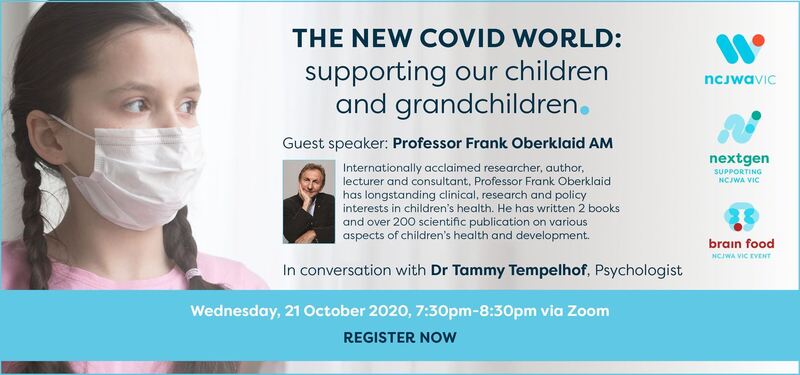
"With the return of schools there is a great excitement in the air. However, some children may experience feelings of trepidation and hesitation. Returning from remote learning at home may bring up an array of emotions for children. How can we support our children and grandchildren in these testing times? Join us for a NextGen - BrainFood event “The New COVID World – Supporting Our Children and Grandchildren”. This special event will include guest speaker Professor Frank Oberklaid AM, in conversation with Dr Tammy Tempelhof. 👉🏻Register now https://newcovidworld.eventbrite.com.au 👈🏻" -
 2020
2020Jewish Melbourne: UJEB's Covid information
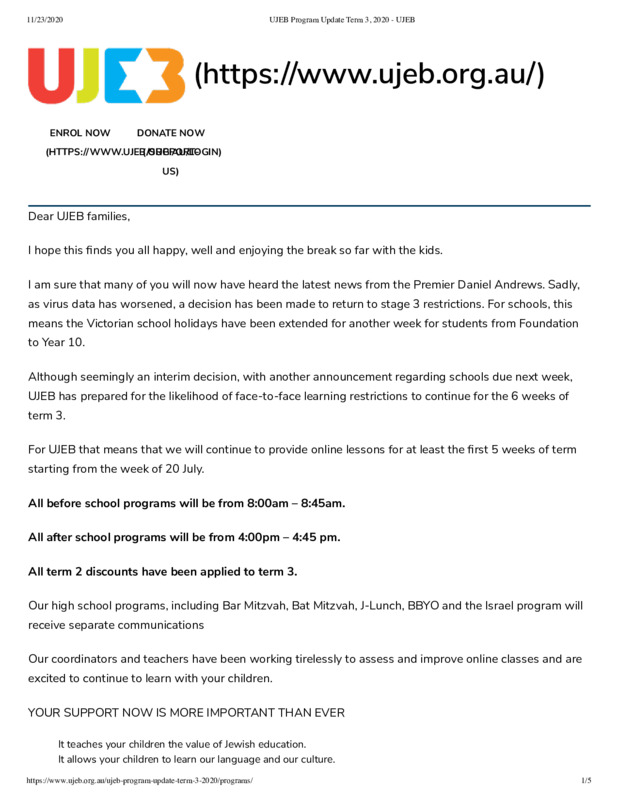
Due to the lockdown, UJEB Jewish education classes needed to be provided online -
 2020-10-08
Jewish Melbourne: Plus61J podcast - A lap of Caulfield Park – Ashley speaks with Professor Sharon Lewin
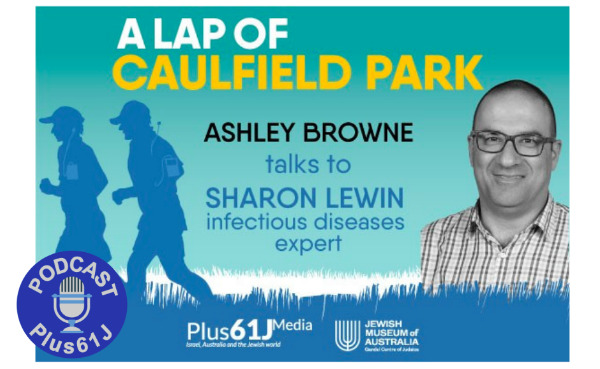
Ashley Browne talks to Professor Sharon Lewin, director of The Peter Doherty Institute for Infection and Immunity, about dealing with the pandemic -
 2020-10
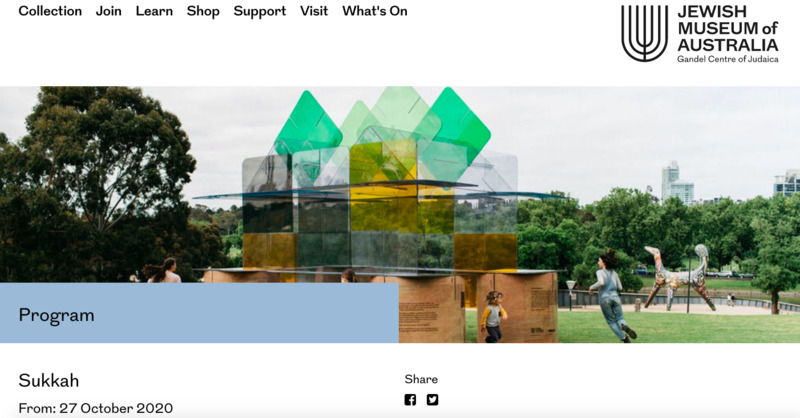
Jewish Melbourne: Jewish Museum of Australia's 'Sukkah'
"While we won’t open our doors until January – and set hearts aflame with MIRKA from Valentine’s Day – we’re delighted to reunite with you at Sukkah. A collaboration with Zahava Elenberg, Creator of Clikclax, Director of Move-in and Co-Founder of Elenberg Fraser Architecture, Sukkah invites you to reflect on humanity and what it means to be in a community. Crafted from Polycarbonate in translucent earth, sky and desert colours, it provides shelter and encourages us to look out towards the never-ending sky and beyond adversity. So until we can meet again at our Museum, we hope you enjoy Sukkah – and think, dream and feel together." -
 2020-07-04
Tío Pepe and COVID-19
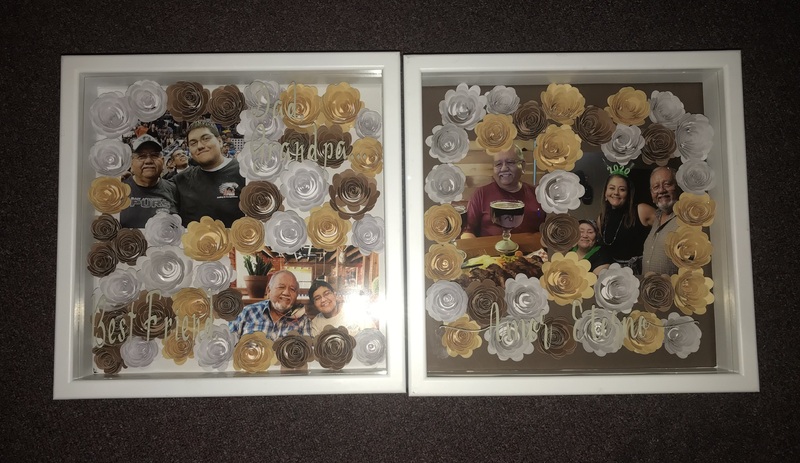
Throughout July and August of 2020, my family went through the loss of my great uncle on my dad’s side of the family. We all called him as tío Pepe. Tío Pepe was an essential male figure throughout my dad’s life, and the only one of my grandmother’s brothers (my father’s mom) to maintain a close relationship with us. My grandmother passed away suddenly in 2013; my father and his siblings were not prepared, and it is still a sore subject for all of us to comprehend. Tío Pepe was the bridge that connected me to my grandmother and her history. Tío Pepe shared the same mannerisms, physical features, and life philosophies as her. My tío Pepe really helped my father’s family adapt to living in the United States after they moved from Laredo, Mexico in the mid-1970s. When he passed, the pain cut through generational experiences. It felt like a piece of me that was so deeply rooted, that I could not quite grasp because I was still trying to figure it out, was ripped away. Tío Pepe was in his 70s, so it’s not like he had an exceptional amount of time with us, but we thought it was enough. He was cognizant, independent, intelligent, and showed me new perspectives every time we talked. Losing him was like losing a vital source of my memory, my optimism, and my faith. This is a little insight into what it’s like to mourn the death of loved one due to COVID-19. I’ve formatted this entry as a loose timeline to capture the dragged-out period of fear, uncertainty, doubt, and mourning. This experience cast a haze onto my family as we tried to navigate an unnavigable disease and global situation. We couldn’t make sense of it all; we couldn’t carry out our customary responses to a death in the family which left us feeling powerless. Personally, it made me feel like I was almost drowning. I felt like I was barely making it over the water to take brief puffs of air, but I was never comfortable nor safe. It was long, painful, and empty. While this process tested our individual emotional strength and optimism, it never weakened our ability to unite as a family. If anything, this experience fortified our family bond. July 4, 2020 – The mayor and city government sent out several warnings against celebrating the holiday in large groups. I was spending the evening with my parents, brother, and his family when my mom received a text message from a cousin of ours describing how tío Pepe’s daughter, Beth, had tested positive for the coronavirus. Her children and boyfriend also tested positive, and that my tío Pepe and my tía (his wife) were awaiting any symptoms. July 10, 2020 – We got the news that an ambulance would be taking my tío Pepe to the hospital. At this time, San Antonio was going through its second major spike in cases, with less and less medical supplies available for incoming patients. My family opted for an ambulance just so tío Pepe would have a better chance at getting a hospital bed and being treated quickly. July 12 – July 18, 2020, tío Pepe’s first week in the hospital: He was unconscious, on a respirator, and kind of keeping steady. We hung on to the ‘no news is good news’ mantra, remaining optimistic, and continued to live our lives. We really did not think this disease would touch our family in any serious way. On July 17, 2020: I officially canceled my gym membership. I was one of the selfish individuals impatiently waiting for, and incredibly excited by, the announcement that gyms would reopen earlier that summer. I frequented the gym almost every day. I was aware that the risk of COVID-19 was rather high at fitness gyms, but I thought nothing could touch me because I’m young, and I was desperate for some normalcy. And, while if I had contracted the disease my symptoms may not have been severe, tío Pepe’s hospitalization made me realize that I could have lived with the disease and infected someone like my tío and forced them to endure unimaginable pain. I canceled my membership because the reality of COVID finally hit me. It’s sad that it took my tío suffering for me to understand. July 13 – July 17, 2020: We received news that tío Pepe had woken up from his induced state and pulled out all of the breathing tubes connected to his face, which threw a wrench into the progress he was making. The doctors decided to try to inject him with plasma from individuals who had already recovered from the virus and built up antibodies. The treatment seemed to be going well, and again, we remained optimistic. July 20 – July 24, 2020, the week of his death: On July 20, a Monday, my cousin Gabby called my parents to let us know that tío Pepe’s health had taken a swift turn downward. Tío Pepe’s organs had gotten infected. Every day leading up to his death ended with a phone call update, further informing us of his degrading state. Gabby earned her master’s degree in Public Health; she knew exactly what to ask the doctors and what their responses meant behind the cushioned language. I knew that Gabby was further sugar coating these messages to her parents and mine. I texted her separately asking her to tell it to me straight. She informed me that things were not looking good at all. She told me not to keep my hopes up. It was cold, but it was the most honest and reliable set of news I had gotten throughout tío Pepe’s time in the hospital. For four days, we were all hanging onto our phones for the next call or text message update. It was quiet; the uncertainty lingered and distracted me from everything. Tío Pepe passed away Thursday morning July 23, 2020. I had been working as a research assistant for St. Mary’s University throughout the summer. My mother received a phone call from my dad with the news while I was in the middle of conducting an oral history for the research project. My mom cracked open the door to my room but quickly realized that I was still on Zoom and walked away. As soon as I heard my door open I knew exactly what happened. I carried on with the rest of the oral history, closed out my work for the day, and kept to myself. When I clocked out I emailed my supervisors of the situation. I hadn’t told them when he initially contracted the disease, nor the roller coaster of updates throughout his time there. My supervisors were very understanding, and I took the next couple of days to myself. I went for a rather long run that afternoon to clear my mind. I came home, showered, and tried to distract myself by watching baseball with my parents. My dad came home and hugged us, also acting as if everything was no big deal. My dad frequently shared music with tío Pepe to let each other know that they were thinking about each other. From my point of view, I think this was a way for tío Pepe to check up on his nephew and remind him to keep his head up. My dad had put his phone to charge and began talking to us in the living room. I got up to go to the kitchen and passed by his phone, which was locked. When I passed by, his Pandora started playing “Lead Me Home” by Jamey Johnson. This happened completely by itself; I did not touch it and my dad was in the other room. Here’s a snippet of the song: I have seen my last tomorrow I am holding my last breath Goodbye, sweet world of sorrow My new life, begins with death I am standing on the mountain I can hear the angel’s songs I am reaching over Jordon Take my hand, Lord lead me home All my burdens, are behind me I have prayed, my final pray Don't you cry, over my body Cause that ain't me, lying there No, I am standing on the mountain I can hear the angels’ songs I am reaching over Jordon Take my hand, Lord lead me home I am standing (Lord, I am standing) on the mountain (on the mountain) I can hear (I can hear the angels songs) the angels songs I am reaching over Jordon, (over Jordon) Take my hand, Lord lead me home Take my hand, Lord lead me home We all started crying uncontrollably. We felt like my tío Pepe was letting us know that he was okay and that he’s still thinking about us. July 27, 2020: My sister in-law and I were looking for a way to comfort tío Pepe’s daughter, Beth, and his wife. My sister in-law thought shadow boxes with photos of tío Pepe, decorated with cardstock flowers, and a sweet message would be a way for us to honor his memory and share in his family’s grieving process. On the box we made for Beth, the message reads “Dad, Grandpa, Best Friend;” on the box we made for his wife the message reads “Amor Eterno” (eternal love). The shadow boxes took us pretty much all day to make—completely worth it. We spent the evening telling stories about my tío Pepe and just spending quality family time together. The shadow boxes are pictured in this post. We used pictures from Beth’s Facebook. Tío Pepe was also very active on Facebook, which was kind of surprising for his age. He was very politically active and critical of our public institutions. According to my dad, tío Pepe has always kept up with current events and sympathized with the Chicano Movement; he was pretty about it, if you know what I mean. The last time he reached out to me on the social media platform was to commemorate our “friendiversary.” That was also the last time I engaged in one-on-one communication with him, which really shreds me up inside. He reached out because he knew that I was stuck at home working and attending grad school. He was always thinking of everyone and our individual challenges, reminding us to keep going. The shadow boxes were a surprise to Beth and her mom. I’ve included the screenshot of our brief conversation shortly after dropping them off. It hurt that I couldn’t get off and hug her. I saw that the just looking at the boxes invoked so much emotion in Beth. August 7, 2020, the funeral service: Our family had to wait two weeks before tío Pepe’s body could be released from the hospital. Throughout those two weeks it felt like I was floating. When you mourn a death time just stops for a couple of days; everything is really out of its element. But mourning a COVID death, having to wait to properly give your loved one a respectful service and not being able to fall into the arms of your relatives, prolonged this motionless feeling. If felt like a comet was slowly crashing into my core; I could feel every bit of my earth tear apart and float away. The service was set up like a drive-in movie. The funeral home had a screen outside of the building, a radio station to air the service, and a livestream on their website. We all drove up to the screen and either tuned in or played the livestream to listen. We had the choice to experience the service inside the building with tío Pepe’s daughter, wife, and grandchildren. However, they all had just gotten over COVID-19 so most of us stayed in our cars. I didn’t think the service would hit me as hard because of the physical distance and technological filter. My family is Catholic, I grew up Catholic, but I haven’t been the most devout member of the church. My tío Pepe lived one street over from the church we all grew up with. By “we” I mean three generations of my family. The deacon who led the service has known my family for at least 20 years. To sum up what I’m getting at, our church and Catholic culture is deeply rooted our family history. The service reduced us all to our childhood; we felt vulnerable. I remember every single prayer and recited all of them word-for-word, English and Spanish. The last time I had recited these prayers was for my grandmother’s funeral. Except this time, I had to go through these emotions on my own. It felt like someone was shooting thumbtacks at me, through me. Tío Pepe’s wife, daughter, grandson, and sister each wrote a few words on behalf of tío Pepe. I don’t know which set of words hurt the most. They all spoke from the heart; they were so raw and resonated so deeply with all of us. I wanted so badly to hug everyone. I was so incredibly mad that we were all put in that situation, to have to have our hearts pulled and constricted at the same time. Tío Pepe’s grandson, Joseph, and his girlfriend are expecting their first baby; tío Pepe would have been a great grandfather. Joseph spent a lot of time with tío Pepe, almost every single day, and he really embodies his pensive, mild nature. His words were strong and grounding. One thing Joseph said that I think really describes how tío Pepe carried himself is, “My grandpa always reminded me to do the right thing.” Tío Pepe treated everything and every situation with a level mind and fairness. No family, no honest and responsible person should have had to experience such ungraspable pain that never really seems to heal. To this day, my family has not physically come together to fill in the gaps in our hearts that this experience left behind. Late August, a virtual birthday commemoration: A couple of weeks after his funeral, tío Pepe would have turned 71. Gabby, the recent Public Health graduate, decided to make my tío Pepe’s favorite cake and offered one to each household. She scheduled a Zoom meeting for all of us to sit, talk, eat, and cry. My dad and the older relatives in my family brought out old photos of from their early years living in the United States. We each shared our favorite memory of tío Pepe. Here’s mine: before I went off to college Tío Pepe told my dad not to worry about me because he sees me as a ‘visionary.’ He reassured my dad and I that I have a good head on my shoulders, that I’m independent, and that if I really put my mind to it I could do anything. That was the first time anyone had given me words of encouragement going into adulthood—or really treated me like an adult. I snapped a picture of my dad talking to our tía Elda (Tío Pepe’s sister) about life in Mexico and the little arguments they’d get into as my dad was growing up. Although we were separated by a screen, this sort of companionship really helped us reconnect. I chose to include this story for this archive to humanize the broader health and historical context of the pandemic. This was both the easiest and hardest thing for me to create for this archive. The easiest because I was able to let the words flow out of my heart and be typed onto a word document; the hardest because I’ve realized just how ripe these feelings and memories still are for me. My emotions and memories of late July and early August have not fully healed. It’s been hard to accept someone’s death without physical closure. There were no last goodbyes, no hugs, no close contact of any kind to seal the wound in our hearts. I’m still longing to physically embrace my family; but for them I’d wait as long as I have to in order to do that safely. I write this as another way to connect with them. To share my deep feelings and let them know that they’re not the only ones who have felt or are feeling this way. Real people, real families exist within the news stories, academic articles, and everchanging statistics. Tío Pepe was much more than a statistic; my family is much more than a statistic. -
 11/15/2020
Recent College Graduate Trying to Maintain Employment as a Substitute Teacher during the COVID-19 Pandemic
This is an interview with a recent college graduate that started her career at the beginning of the COVID-19 Pandemic. She describes pre-covid conditions to COVID-19 rules in the kindergarten classroom. -
 2020-11-22
Jewish Melbourne: TBI AGM online
Temple Beth Israel is hosting their 2020 AGM online -
 2020
2020Jewish Melbourne: TBI Daily Daven
Sunday through Thursday, Temple Beth Israel hosts a 'virtual daily daven' online at 6.15pm. -
 2020
2020Jewish Melbourne: TBI Bubs & Bagels
" We join together with the youngest members of our community for music and engaging interactions designed to help families get ready for Shabbat. Join us at 10.30am every Friday Morning or if you prefer, you can view past episodes via our YouTube channel" -
 2020
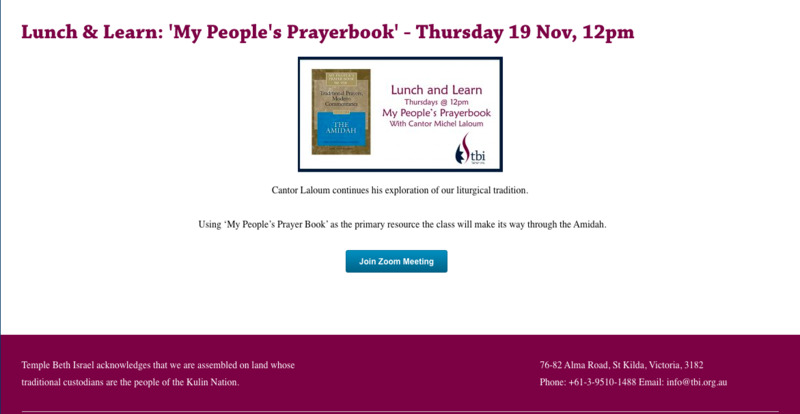
2020Jewish Melbourne: TBI Lunch and Learn
During the year, Cantor David Laloum at Temple Beth Israel hosted a Thursday Lunch and Learn on zoom, for people to learn Amidah together -
 2020
2020Jewish Melbourne: TBI Wednesday Coffee and Conversation
Throughout the year, Temple Beth Israel hosted a weekly "Coffee and Conversation" on Wednesday afternoons, via zoom, with one of their rabbis. -
2020-11-09
Getting scammed over $5000 overseas.
It was late at night, around 2-3 AM. I was staying up because I didn’t have school due to the pandemic. I was browsing on a trading website called Alibaba. It is where manufactures around the world sell their products to other traders to resell. I was just browsing anything that came to my mind and i thought of searching a car i have wanted for a long time. I searched up a Mercedes G63. Apparently these people had their car inventory in Greece but they first ship the vehicle to somewhere else before shipping it to me. I was so manipulated to think I was getting something too good to be true. I bank transferred $2000 then $3000 overseas. This was the biggest mistake of my life but one to learn from. -
 2020-11-09
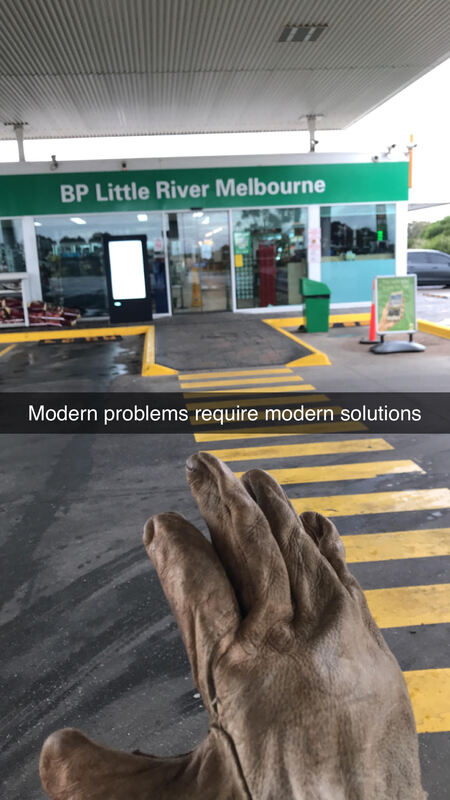
2020: The Year of The Ring of Steel and Shaggy Dogs
In the series of images depicted above, I portray the imminent changes to both my life and the lives of those I love. The stage three lockdown which dawned on the 8th of July 2020 somewhat replicated a tale of two cities. A ‘Ring of Steel’ enforced between metro and regional Victoria separated a state in the grip of a deadly second wave. For me personally, 2020 changed my life in two notable ways; my two worlds were separated, and as droll as it sounds, I couldn’t get my dog a haircut. The ring of steel meant that I was separated from both my family property and my boyfriend who lives in Regional Victoria, although we could still visit one another it just didn’t feel the same. Like going through customs at an airport you are grilled on your reasons for travelling into a regional zone, and the answer of visiting a partner seemed to also evoke a multitude of other questions confirming the validity of the aforementioned statement. This however was all very necessary as there are regions of Victoria that haven’t even seen one single case of COVID since it reached Australia in January 2020. My first image was taken one day upon my return to Melbourne from seeing my boyfriend in regional Victoria and epitomises how even back in April, COVID-related precautions were widespread. Whilst my second photograph pinpoints the outage which the Vic Roads change of address function encountered a day prior to the announcement of the ‘Ring of Steel’ on July 9, 2020. The third photo is a government document and summary of those restrictions that were also outlined from this date onwards. Stage 4 restrictions also meant that all non-essential services were shut to combat the unnecessary spread of the virus, and this included dog groomers. Our West Highland White Terrier Angus was certainly thankful for this as sitting still is not his strong point, but it also meant that he could hardly see with his hair growing over his eyes like a veranda. There were calls from the RSPCA to re-open these services to the public earlier as they had treated a number of grisly injuries from owners attempting at home cuts on their pooches. Whilst a number of petitions were also got up by dog groomers who were more concerned about the welfare of the animals rather than the business aspect. With continuous lobbying, the efforts of the animal welfare community paid off and on the 28th of September they were able to resume services, a far cry from October 26th the original date outlined. The fourth and fifth photo depicts Angus before and after his much-needed haircut in early October. -
 2020-06-19
Division is no cure
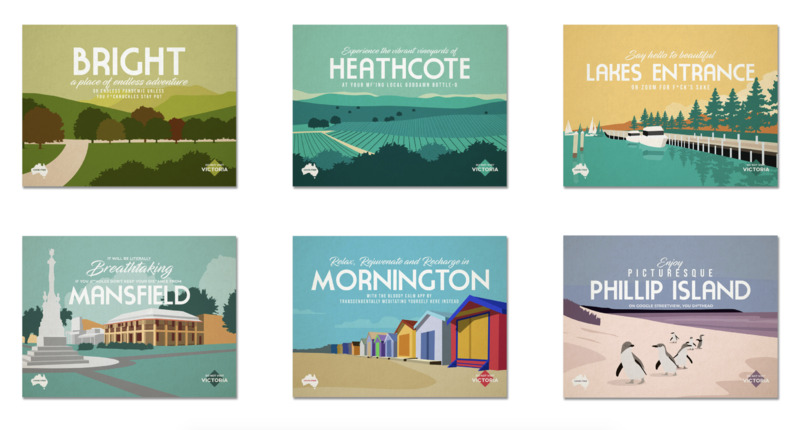
HIST30060. This is a screenshot of anti-tourism postcards that were published when Melbourne went back into stage 3 lockdown. Their purpose was to deter Melbournians from travelling to regional Victoria. I selected this source as I believed this campaign was promoting the wrong behaviour of which we should all treat each other. During COVID, being caring, kind and empathetic to one another is needed in order to get through each day, and I felt these postcards were seeking to do the opposite of what we needed. -
 2020-10-01
Jewish Melbourne: Chabad on Carlisle Erev Sukkos Appeal
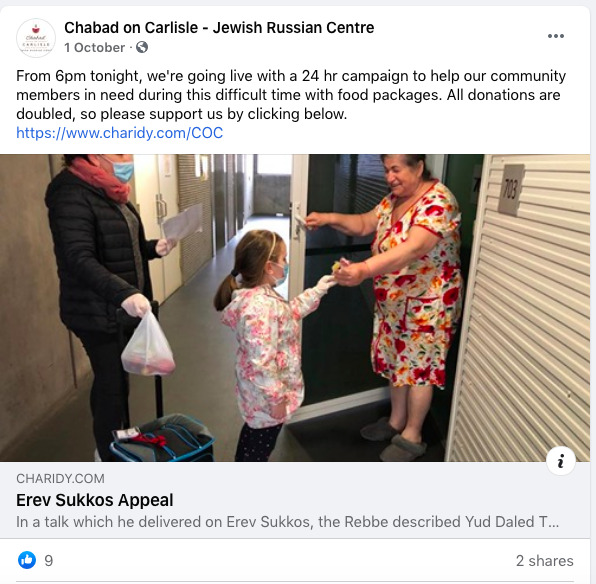
Chabad on Carlisle - Jewish Russian Centre organised a fundraiser for Sukkos: "In a talk which he delivered on Erev Sukkos, the Rebbe described Yud Daled Tishrei as a day when Jews should literally splurge in giving tzedoka. This year, the call for generosity is so much greater due to the impact of Covid, and the funds you donate will be distributed to alleviate financial hardship and enable the celebration of Succos with true joy and peace of mind." -
 2020-10
Jewish Melbourne: Chabad on Carlisle Shemini Atzeret/Simchat Torah at home resources
Simchat Torah occurred during lockdown, and so Chabad on Carlisle-Jewish Russian Centre provided resources for their community to observe Shemini Atzeret and Simchat Torah at home -
 2020-10-06
Jewish Melbourne: Sukkot Party
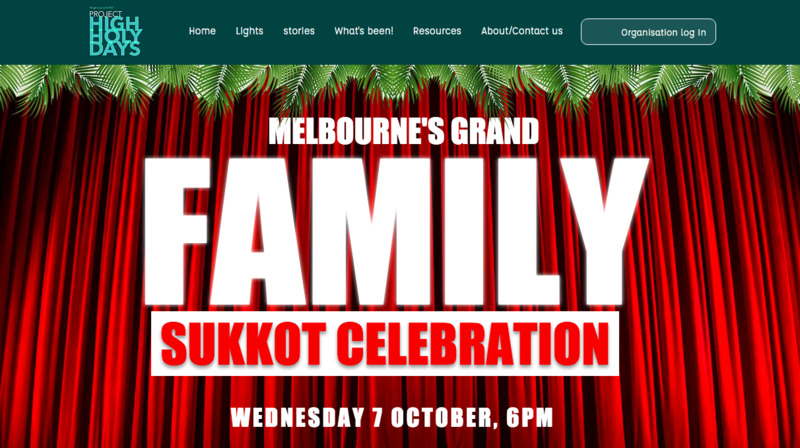
Organised by a range of Jewish organisations, including Project High Holy Day, a virtual Sukkot party was held online. -
 2020
2020Jewish Melbourne: Bialik College Foundation fundraising projects for Covid-19
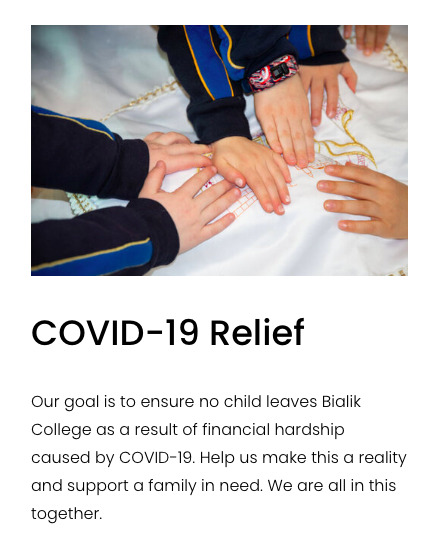
Amongst its other fundraising efforts, Bialik College launched a special 'Covid-19 Relief' fundraiser: "Our goal is to ensure no child leaves Bialik College as a result of financial hardship caused by COVID-19. Help us make this a reality and support a family in need. We are all in this together." They also launched a fundraiser to create new outdoor spaces: "Help us transform our outdoor amphitheatre into a flexible event space. With current social distancing measures in place as a result of COVID-19, we need to think creatively to look for alternative ways to gather as a school community." -
 2020-05-29
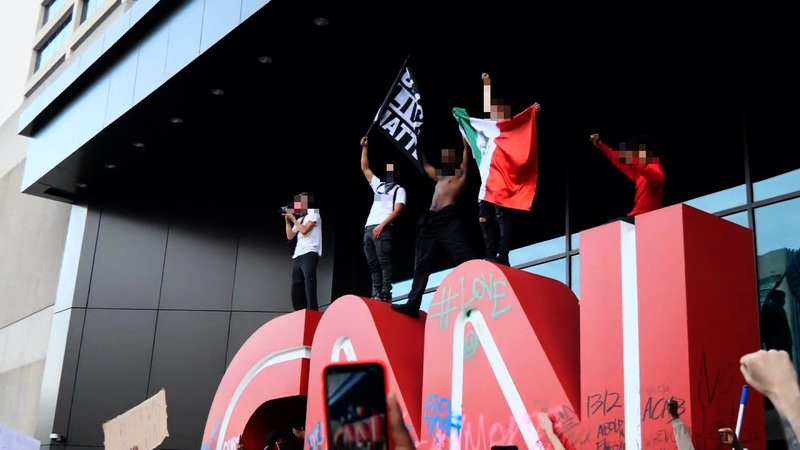
BLM Protestors at CNN Building
During the protests a few months back, I remember seeing this picture spread all around twitter uncensored and I remember thinking “these kids are going to be arrested because no one is protecting them’. And so I felt it was only fitting that this be the photo I choose for this assignment. -
 2020-07
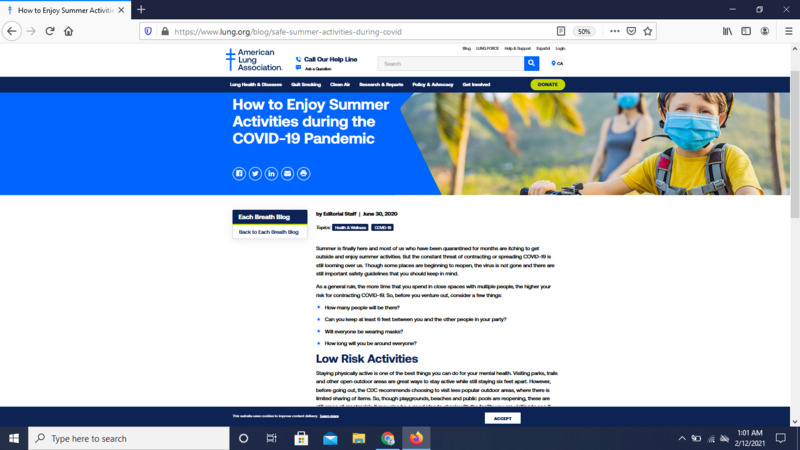
Summer Activity Risk Levels
SImply leaving my home felt like I was risking my life this summer, but sometimes your sanity is worth some risk. Here is one of the websites I utilized to determine the risk factors into any activity. Due to being high risk, I would make sure to choose low risk activities such as walking outside. -
 2020-11-06
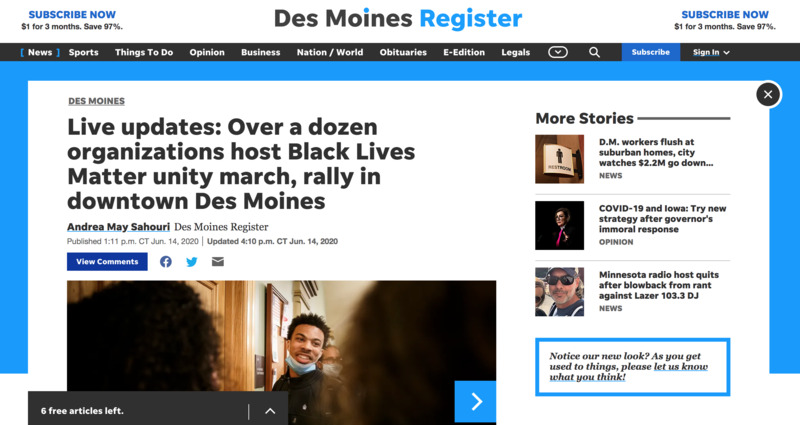
Black Lives Matter Protests
I live in Des Moines, Iowa. We were hosts to many different protests. Many people wanted to keep things peaceful. This article talks about what happened. -
 2020-11-05
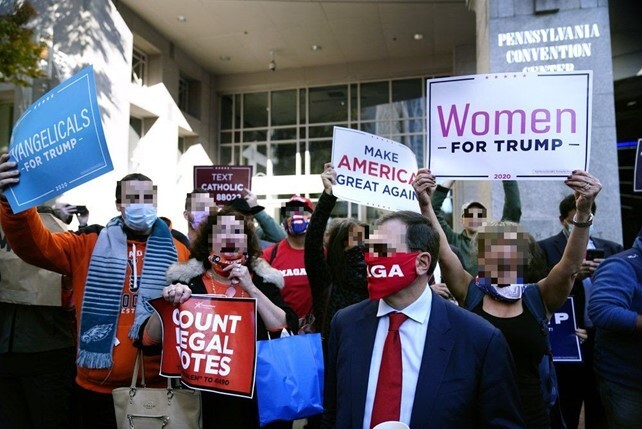
EXPLAINER: Have election-related protests materialized?
These images and the article they came from show the continuing effect of the virus and the pandemic. Even in the protests during the elections, some people are wearing masks. This election is happening months after the pandemic began. -
 2020-10-28
Selfish World Series
I like many people needed a sense of normalcy in my life after the shut down and curfews day to day with no new entertainment on tv. Just the growing numbers of COVID on tv as well as the news from around the world, places singing while under lockdown. Soon Americans were wondering would that be us? Finally we got the news that sports were trying to make a comeback by using testing measures at that at that point were reserved for the people in hospitals, and those that were most at risk. This rubbed many people the wrong way. While months after those days had passed, multiple sports were back on and the playoffs of the MLB was the topic of the world with a heroic comeback in game 5 of the world series. The game 6 topic was that Justin Turner was pulled from the game during the eighth inning. He would come back to the field to celebrate the world series even though his inconclusive test turned out to be positive during the game. The pictures after the game show him without a mask on the field with the other players celebrating the win. -
 2020-09-11
Wisconsin School Lunch
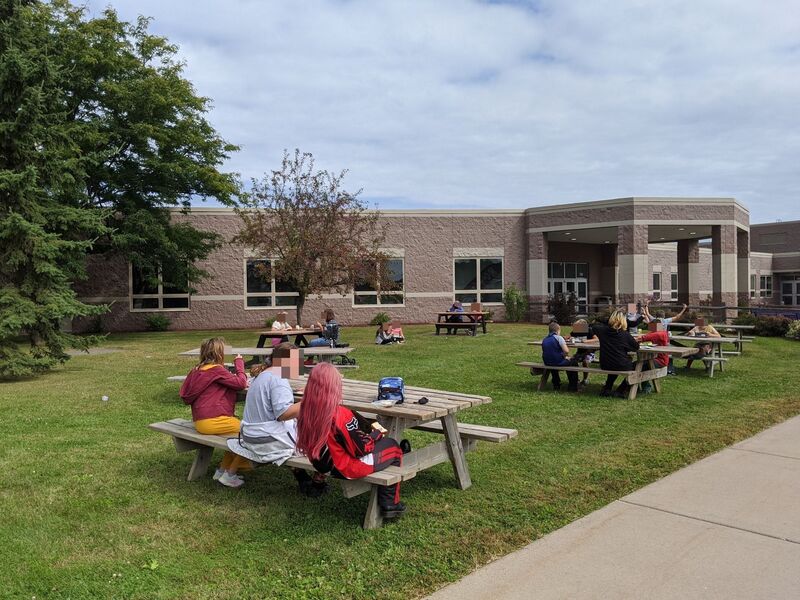
As a way to mitigate risks for students during lunchtime, the local agricultural society donated picnic tables to the students so they would be able to eat outside with friends mask free. This is important to the pandemic because it shows rural Wisconsin school life and how the community was able to come together to provide for the young students. -
 2020-09-24
Interview by Juilee Decker and Dr. Fayth Vaughn-Shavuo of the PEACE Program
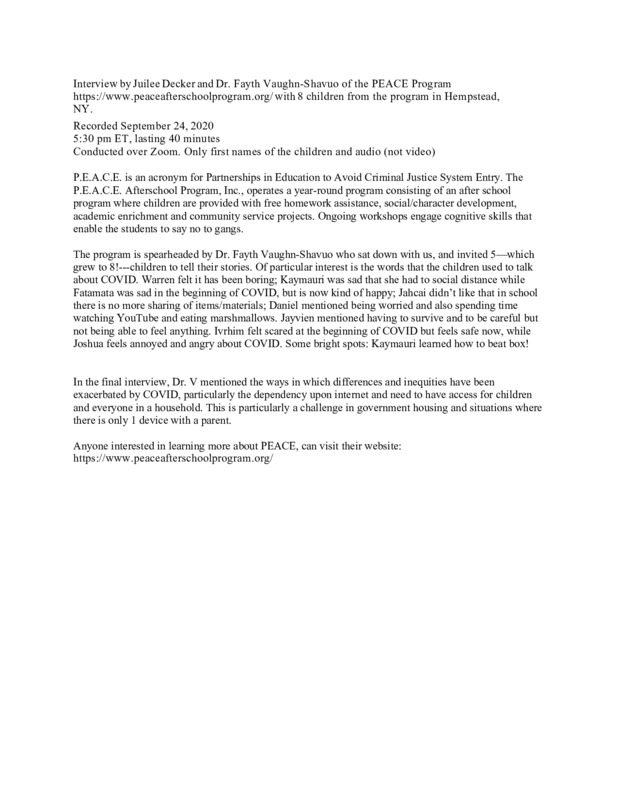
P.E.A.C.E. is an acronym for Partnerships in Education to Avoid Criminal Justice System Entry. The P.E.A.C.E. Afterschool Program, Inc., operates a year-round program consisting of an after school program where children are provided with free homework assistance, social/character development, academic enrichment and community service projects. Ongoing workshops engage cognitive skills that enable the students to say no to gangs. The program is spearheaded by Dr. Fayth Vaughn-Shavuo who sat down with us, and invited 5—which grew to 8!---children to tell their stories. Of particular interest is the words that the children used to talk about COVID. Warren felt it has been boring; Kaymauri was sad that she had to social distance while Fatamata was sad in the beginning of COVID, but is now kind of happy; Jahcai didn’t like that in school there is no more sharing of items/materials; Daniel mentioned being worried and also spending time watching YouTube and eating marshmallows. Jayvien mentioned having to survive and to be careful but not being able to feel anything. Ivrhim felt scared at the beginning of COVID but feels safe now, while Joshua feels annoyed and angry about COVID. Some bright spots: Kaymauri learned how to beat box! In the final interview, Dr. V mentioned the ways in which differences and inequities have been exacerbated by COVID, particularly the dependency upon internet and need to have access for children and everyone in a household. This is particularly a challenge in government housing and situations where there is only 1 device with a parent. Anyone interested in learning more about PEACE, can visit their website: https://www.peaceafterschoolprogram.org/ -
 2020-03-20
Artis-Naples Social Media Post
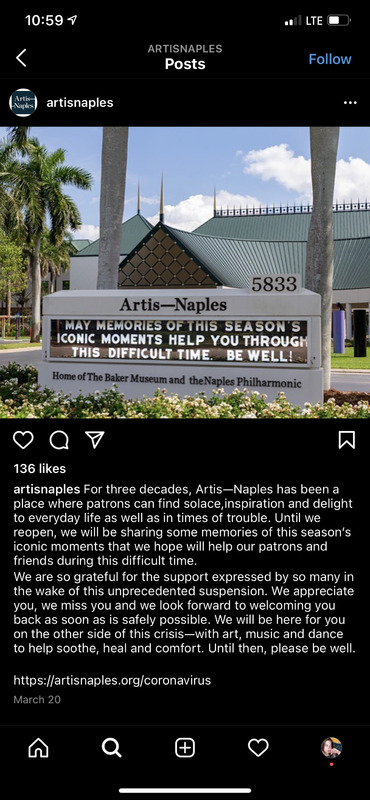
Instagram post by the Artis-Naples. The photograph is their sign that reads “May memories of this season’s iconic moments help you through this difficult time. Be well!” The Artis-Naples is home to the Naples Philharmonic and The Baker Museum. The post itself announces that they will be taking time on their Instagram account to go through the memories of the season’s moments. There is a link to their website regarding COVID-19. -
 2020-11-02
IMAG History & Science Center COVID-19 Changes
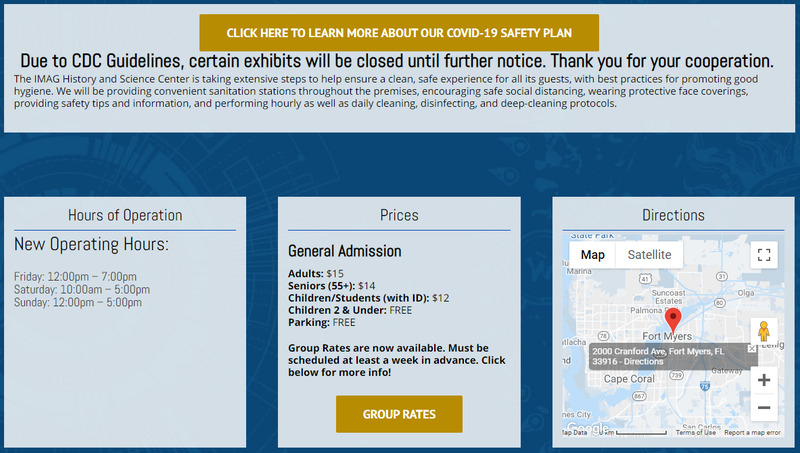
Fort Myers IMAG History & Science Center new hours and exhibit closure web page for COVID-19. There are new hours, groups must register at least a week in advance, and there are exhibits that are remaining closed until further notice.