-
2020-05-01
I live with my disabled adult daughter and our personal experience is that as two introverts who like to work on solitary activities, we loved being at home!
-
2020-03-29
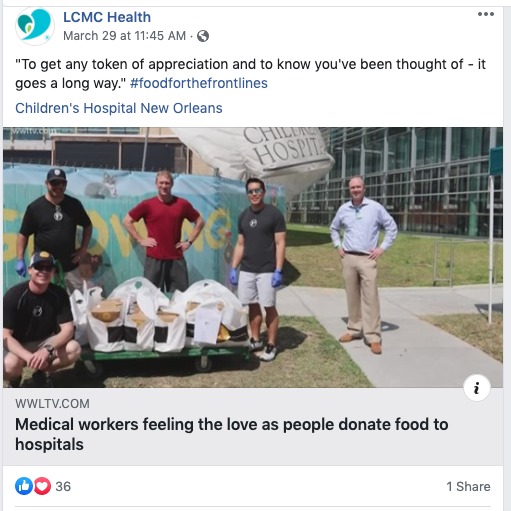
LCMC Health shares New Orleans media coverage from local television station WWLTV entitled "Medical workers feeling the love as people donate food to hospitals" during COVID-19 pandemic.
-
2020-04-03
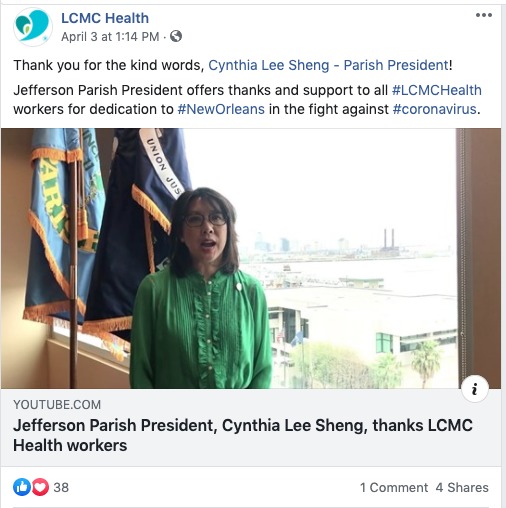
LCMC shares Jefferson Parish President Cynthia Lee Sheng message of thanks and support to all the healthcare workers for their hard work and dedication during the pandemic.
-
2020-03-24
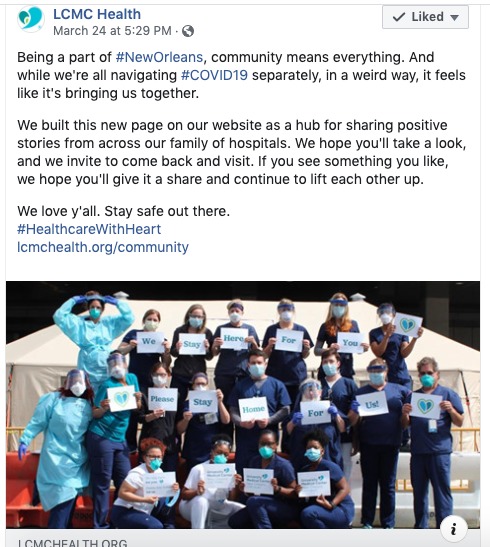
In a Facebook post, LCMC Health recognizes that even though the virus has caused us to be a part it has brought the community together by everyone stepping up and helping each other out. LCMC created a webpage to share positive stries from their family of hospitals.
-
2020-03-30
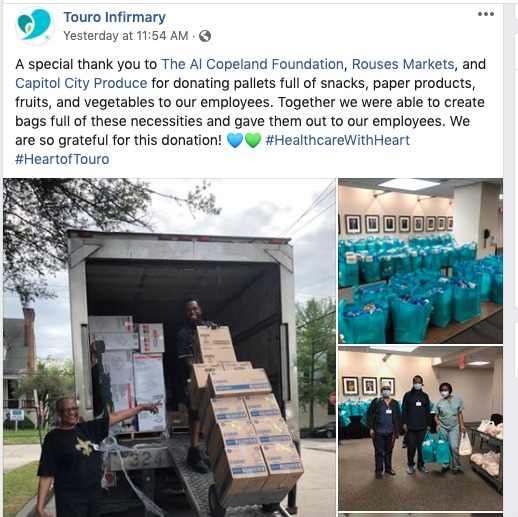
Touro thanks local businesses for donating food and other items to medical personnel during the COVID-19 pandemic. The hospital bagged the donations and dispersed them among staff.
-
2020-04-03
East Jefferson General Hospital CEO Gerald Parton thanks hospital staff on social media. The post reads: "I want to personally thank all the doctors, nurses, EMS, EVS, techs, Building Services, Food & Nutrition workers and others who have helped EJGH rise to the occasion against coronavirus... and everyone doing their part in the community. There are many ways to be a hero."
-

2020-04-13
I'm a Chinese student who is studying in the US. I was initially planning to travel back to China in May after the end of my winter semester. However, I got this notification from my airline that told me my flight was canceled due to the Chinese government's flight restriction under the circumstance of Covid-19. Now I'm still looking for a flight to go back home.
-
2020-04-24
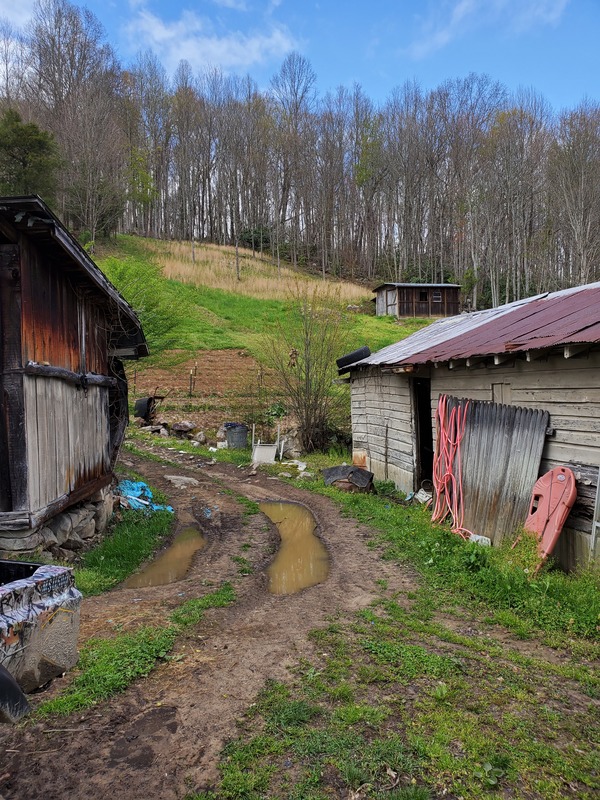
This image is of an old family homestead in rural Virginia. You'll notice that there are no people in the photograph. This is because, in rural areas of America, not much has changed. The COVID-19 pandemic barley even effects places like this, as self-sustained and poverty is the way of life every singe day.
-
2020-05-01
Thankful for the smooth transition to online learning.
-
2020-03-26
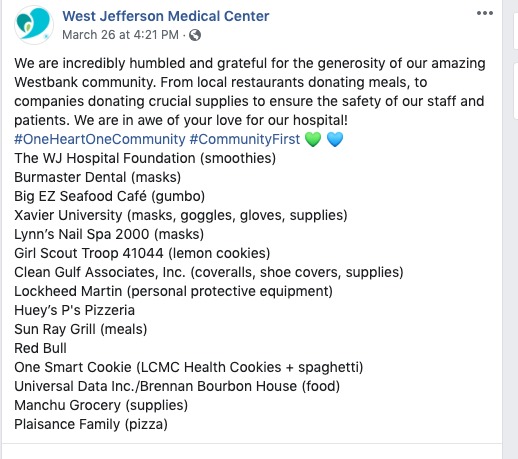
West Jefferson Medical Center shared this facebook post to thank local community for donations during the COVID-19 pandemic. The post reads: "We are incredible humbled and grateful for the generosity of our amazing Westbank community. From local restaurants donating meals, to companies donating crucial supplies to ensure the safety of our staff and patients. We are in awe of your love for our hospital! #OneHeartOneCommunity #CommunityFirst." The post also includes a list of local donors and the items they donated.
-
2020-03-27
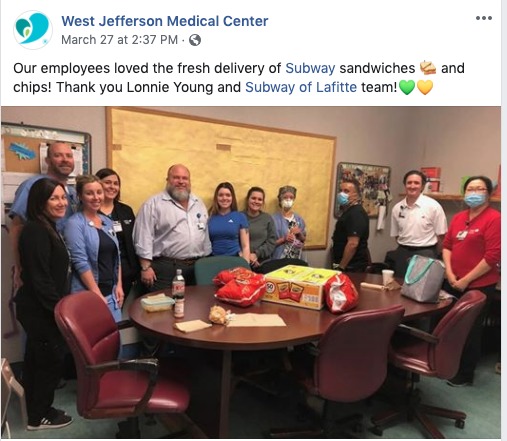
West Jefferson Medical Cente thanks the local Subway for providing lunch to medical personnel during the COVID-19 pandemic.
-
2020-04-21
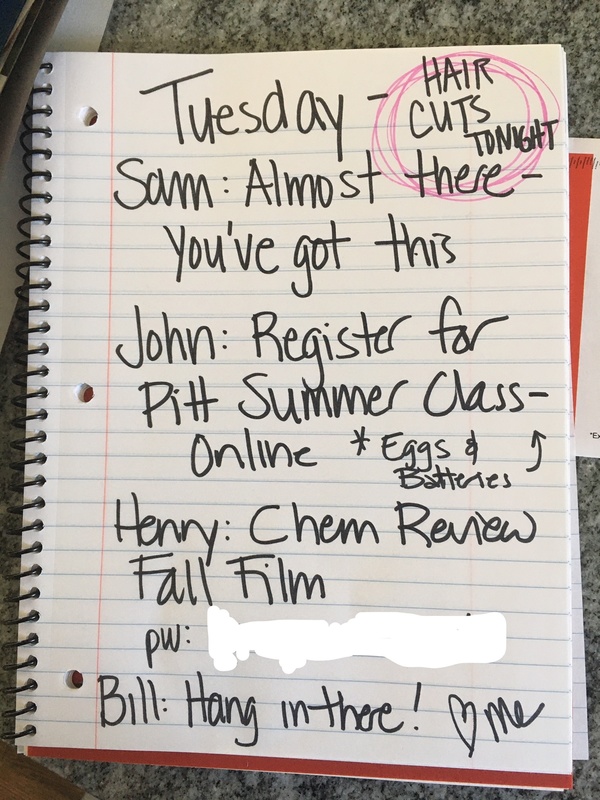
The COVID-19 virus disrupts life, particularly our relationships with those we love. But, relationships are flexible and adapt to circumstance. My mom cut my hair until I left for college. Her grandfather was a barber, and because she cut my brothers' hair, too, she had a lot of practice. After COVID-19 closed our schools and sent us home, my mom cuts our hair again. On her note, she let us know that she had time to cut our hair today after work. Although COVID-19 has closed the barbers down, my brothers and I still have fresh cuts.
#FordhamUniversity #VART3030
-
2020-03-27
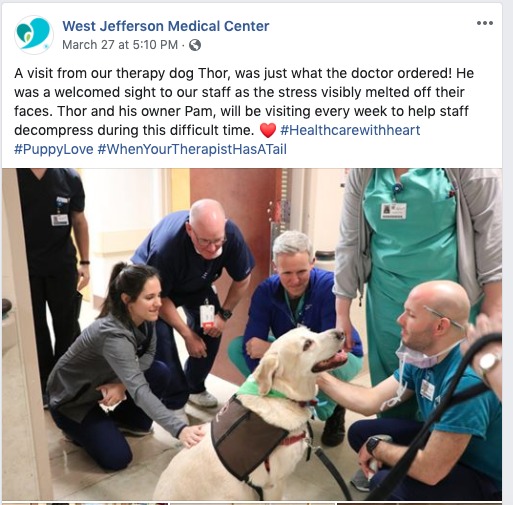
Therapy Dog Thor makes his rounds at the hospital providing some stress relief to staff during the COVID-19 pandemic.
-
2020-04-03
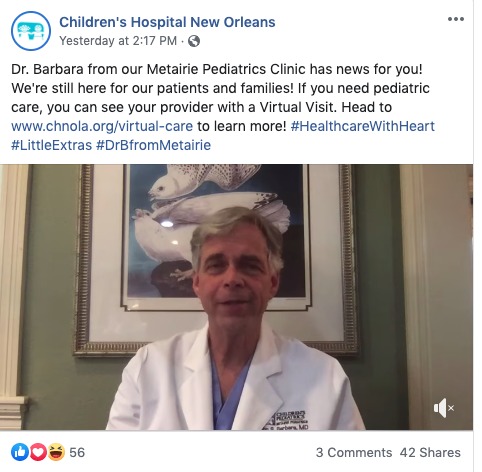
Pediatric clinics offer virtual appointments to encourage people to continue to see their doctors and avoid increased exposure to COVID-19 during the stay-at-home order.
-

2020-04-07
Children's Hospital New Orleans thanks Take 5 Oil Change and Driven Brands Charitable Foundation for donating 19 cases of gloves.
-
2020-03-18
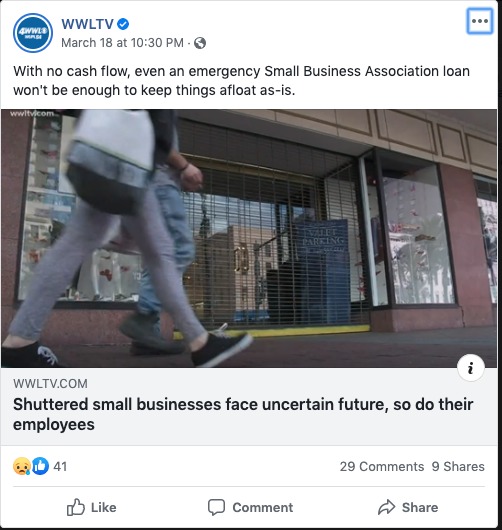
Local New Orleans TV station WWLTV shares a story on social media. With no cash flow during the COVID-19 stay-at-home order, some small businesses cannot stay afloat even with assistance from federal loans.
-
2020-04-05
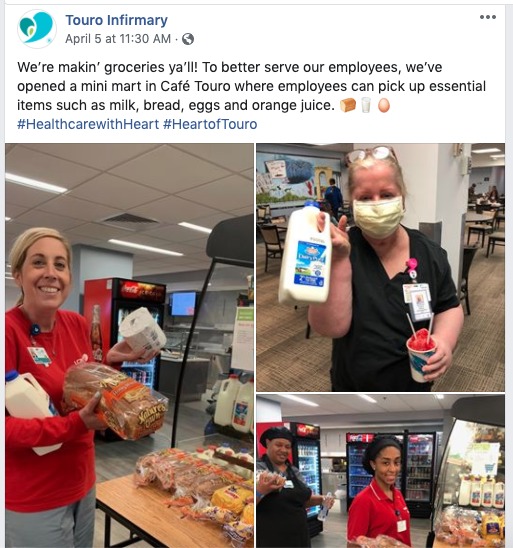
Employees at Touro Infirmary can get essential goods from the hospital during the COVID-19 pandemic.
-
2020-04-28
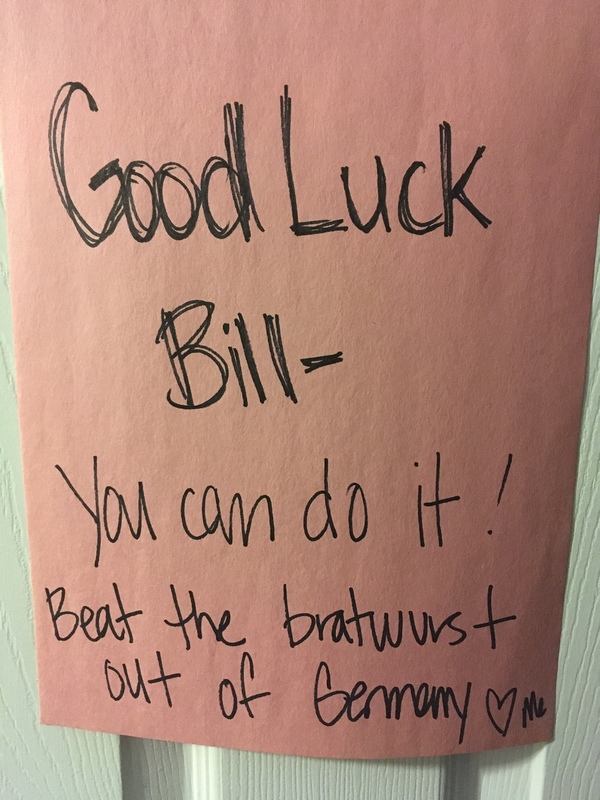
The COVID-19 virus disrupts life, particularly our relationships with those we love. But, relationships are flexible and adapt to circumstance. My mom wrote my dad this sign before his big meeting with a German client overseas. He had been under a lot of stress preparing for the meeting, so my mom put this note of encouragement on his office door to let him know she was thinking about him. Although she could not wish him luck in person because she works such long hours now, she still found a way to be there for him.
#FordhamUniversity #VART3030
-
2020-04-26
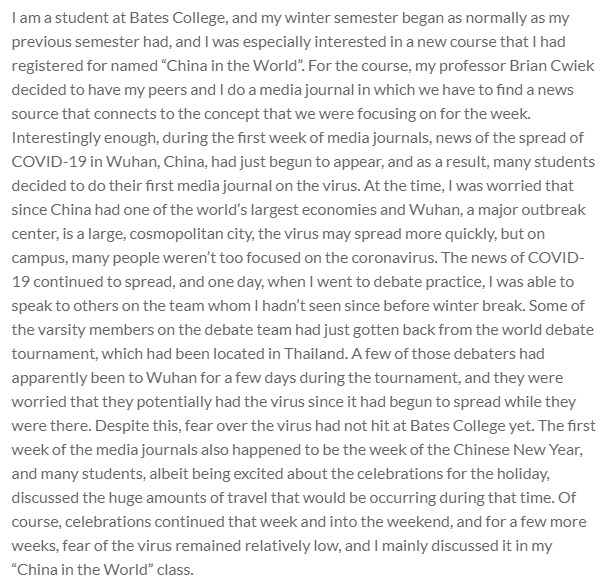
Personal experience with COVID-19
-

2020-03-31
LCMC Health partnered with Tulane University, Lousiana State University, and Roche Diagnostics to provide rapid COVID-19 testing. Prior to these rapid result tests, COVID-19 tests had to be sent to Baton Rouge, LA, for processing, slowing down the time it took for patients to receive test results.
-
2020-04-25
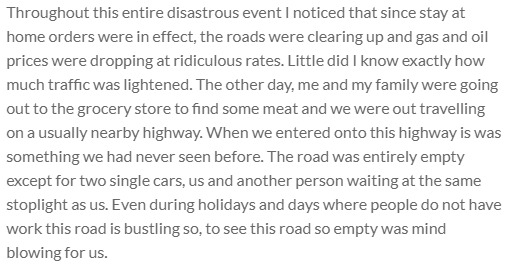
Surprised at the empty roads that are usually busy.
-
2020-03-26
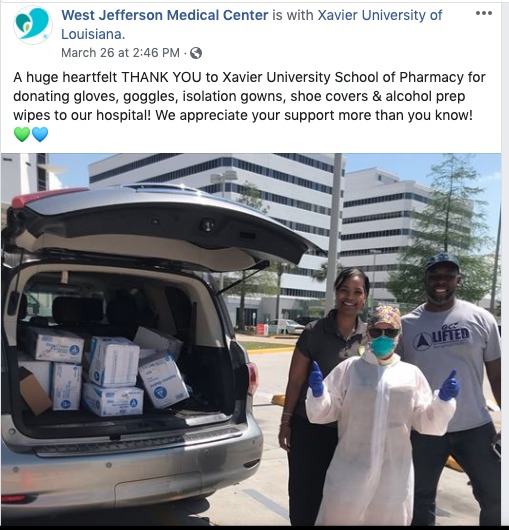
West Jefferson Medical Center thanks Xavier University School of Pharmacy for donating much needed PPE supplies.
-
2020-05-01
Lines
-
2020-04-10
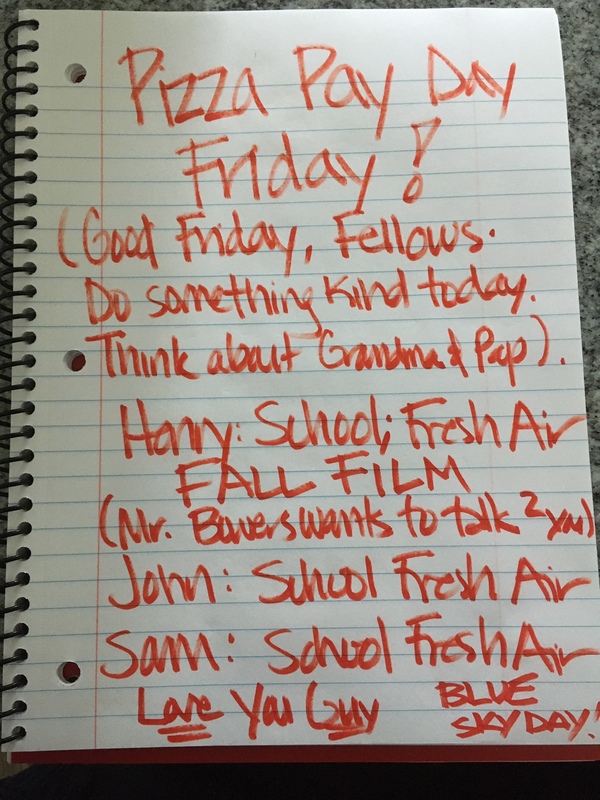
The COVID-19 virus disrupts life, particularly our relationships with those we love. But, relationships are flexible and adapt to circumstance. Any other year, my mom would stay home from work on Good Friday and bring us to church, so we can see the stations of the cross. This year, the churches closed, and my mom could not afford a day off due to COVID-19. Instead, she used her morning note to remind us to celebrate in our own way: remembering her parents, "grandma and pap," and doing something kind for each other.
In keeping with traditional however, we celebrated the end of another week in quarantine with a "Pizza Payday." My mom gets paid on Fridays, so we always have pizza to celebrate. COVID-19 has caused many changes, but I am glad that has stayed the same.
#FordhamUniversity #VART3030
-
2020-04-27
In mid-march my school transitioned to virtual classes and sent everyone home for the semester. I've mostly been at home in Manhattan since then; the last time I rode the subway, previously a daily occurrence, was over six weeks ago now.
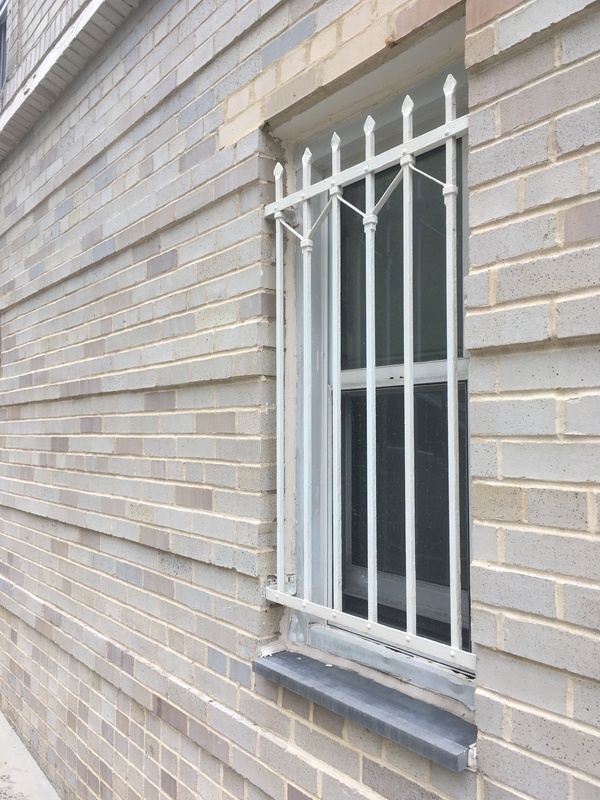
At home and in the neighborhood nearby since then, I feel as though I can look out the window onto a previous version of myself that could not have anticipated any of this. I also feel as though I look at myself now through a window, because after over a month, this all still feels fake in a way. It’s as though time has been suspended and I’m watching myself filling that time that “doesn’t count.” There is a numbness that comes with not being able to do any of what we’re used to and not being able to see people who we thought nothing of seeing every day in the past. The window analogy is both a way of conceptualizing but also deliberately engaging in that numbness and removing oneself from the reality of the situation, perhaps on both a personal and global level. It’s also a way of rebuilding the wall that has been breached by collision of home with the spaces that are normally outside of it, like work and school, and are now part of the same physical setting, albeit digitally.
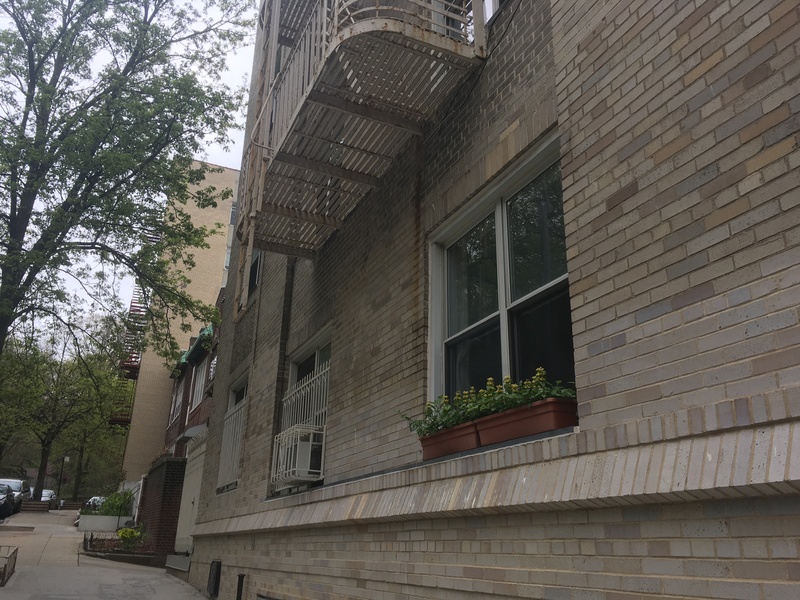
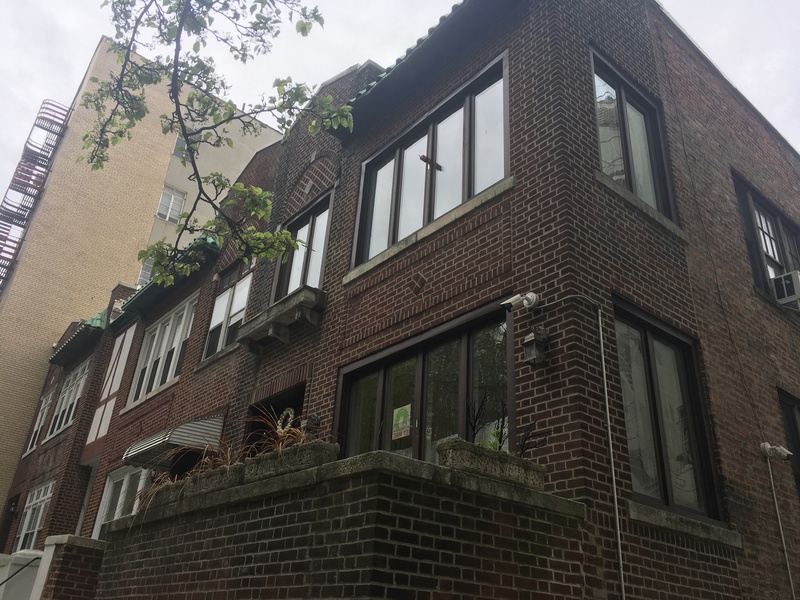
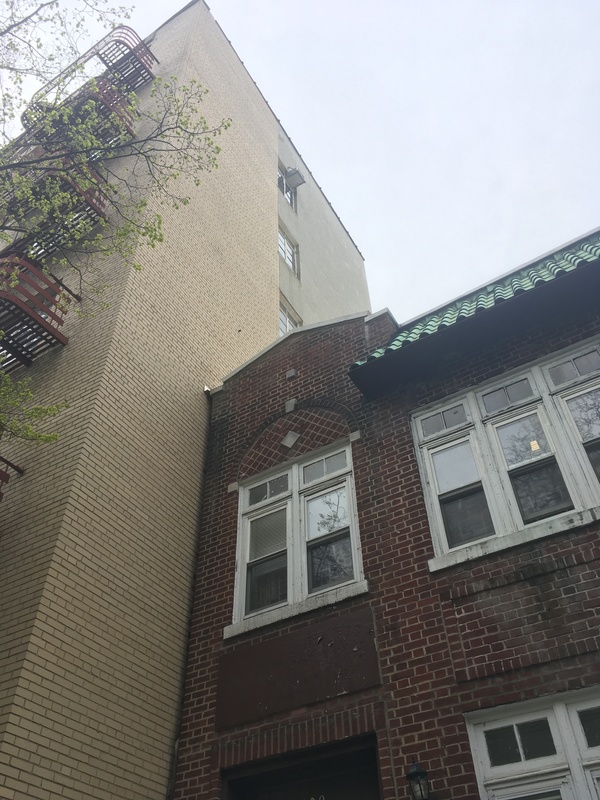
This has made me think a lot about windows, which are everywhere in New York, and so I started to take pictures of windows in buildings I passed while going for walks. The windows themselves all look similar; despite differences in architectural style, they are all in essence the same glass barrier between inside and outside and public and private. It’s not something specific to life in a pandemic, but during this time it is especially relevant because for people staying mostly at home, our windows are potentially the only glimpse of the outside that we’ll see in a day. They divide our former lives and everything that we’d normally be doing outside of home from our current lives that have suspended many of those activities and digitized others.
It’s easier to think about these private separate lives going on behind the windows I pass when there are fewer people out on the street. Normally the act of passing people as I walk is more engaging than what I can’t see in the closed-off apartment buildings, but now there is not a lot going on in the streets. It’s interesting to think I’m probably closer in distance to people behind the walls of the ground floors of buildings than the people I can see on the street, especially on the less busy streets that are particularly empty these days.
-
2020-04-27
In mid-march my school transitioned to virtual classes and sent everyone home for the semester. I've mostly been at home in Manhattan since then; the last time I rode the subway, previously a daily occurrence, was over six weeks ago now.
At home and in the neighborhood nearby since then, I feel as though I can look out the window onto a previous version of myself that could not have anticipated any of this. I also feel as though I look at myself now through a window, because after over a month, this all still feels fake in a way. It’s as though time has been suspended and I’m watching myself filling that time that “doesn’t count.” There is a numbness that comes with not being able to do any of what we’re used to and not being able to see people who we thought nothing of seeing every day in the past. The window analogy is both a way of conceptualizing but also deliberately engaging in that numbness and removing oneself from the reality of the situation, perhaps on both a personal and global level. It’s also a way of rebuilding the wall that has been breached by collision of home with the spaces that are normally outside of it, like work and school, and are now part of the same physical setting, albeit digitally.
This has made me think a lot about windows, which are everywhere in New York, and so I started to take pictures of windows in buildings I passed while going for walks. The windows themselves all look similar; despite differences in architectural style, they are all in essence the same glass barrier between inside and outside and public and private. It’s not something specific to life in a pandemic, but during this time it is especially relevant because for people staying mostly at home, our windows are potentially the only glimpse of the outside that we’ll see in a day. They divide our former lives and everything that we’d normally be doing outside of home from our current lives that have suspended many of those activities and digitized others.
It’s easier to think about these private separate lives going on behind the windows I pass when there are fewer people out on the street. Normally the act of passing people as I walk is more engaging than what I can’t see in the closed-off apartment buildings, but now there is not a lot going on in the streets. It’s interesting to think I’m probably closer in distance to people behind the walls of the ground floors of buildings than the people I can see on the street, especially on the less busy streets that are particularly empty these days.
-
2020-04-27
In mid-march my school transitioned to virtual classes and sent everyone home for the semester. I've mostly been at home in Manhattan since then; the last time I rode the subway, previously a daily occurrence, was over six weeks ago now.
At home and in the neighborhood nearby since then, I feel as though I can look out the window onto a previous version of myself that could not have anticipated any of this. I also feel as though I look at myself now through a window, because after over a month, this all still feels fake in a way. It’s as though time has been suspended and I’m watching myself filling that time that “doesn’t count.” There is a numbness that comes with not being able to do any of what we’re used to and not being able to see people who we thought nothing of seeing every day in the past. The window analogy is both a way of conceptualizing but also deliberately engaging in that numbness and removing oneself from the reality of the situation, perhaps on both a personal and global level. It’s also a way of rebuilding the wall that has been breached by collision of home with the spaces that are normally outside of it, like work and school, and are now part of the same physical setting, albeit digitally.
This has made me think a lot about windows, which are everywhere in New York, and so I started to take pictures of windows in buildings I passed while going for walks. The windows themselves all look similar; despite differences in architectural style, they are all in essence the same glass barrier between inside and outside and public and private. It’s not something specific to life in a pandemic, but during this time it is especially relevant because for people staying mostly at home, our windows are potentially the only glimpse of the outside that we’ll see in a day. They divide our former lives and everything that we’d normally be doing outside of home from our current lives that have suspended many of those activities and digitized others.
It’s easier to think about these private separate lives going on behind the windows I pass when there are fewer people out on the street. Normally the act of passing people as I walk is more engaging than what I can’t see in the closed-off apartment buildings, but now there is not a lot going on in the streets. It’s interesting to think I’m probably closer in distance to people behind the walls of the ground floors of buildings than the people I can see on the street, especially on the less busy streets that are particularly empty these days.
-
2020-04-27
In mid-march my school transitioned to virtual classes and sent everyone home for the semester. I've mostly been at home in Manhattan since then; the last time I rode the subway, previously a daily occurrence, was over six weeks ago now.
At home and in the neighborhood nearby since then, I feel as though I can look out the window onto a previous version of myself that could not have anticipated any of this. I also feel as though I look at myself now through a window, because after over a month, this all still feels fake in a way. It’s as though time has been suspended and I’m watching myself filling that time that “doesn’t count.” There is a numbness that comes with not being able to do any of what we’re used to and not being able to see people who we thought nothing of seeing every day in the past. The window analogy is both a way of conceptualizing but also deliberately engaging in that numbness and removing oneself from the reality of the situation, perhaps on both a personal and global level. It’s also a way of rebuilding the wall that has been breached by collision of home with the spaces that are normally outside of it, like work and school, and are now part of the same physical setting, albeit digitally.
This has made me think a lot about windows, which are everywhere in New York, and so I started to take pictures of windows in buildings I passed while going for walks. The windows themselves all look similar; despite differences in architectural style, they are all in essence the same glass barrier between inside and outside and public and private. It’s not something specific to life in a pandemic, but during this time it is especially relevant because for people staying mostly at home, our windows are potentially the only glimpse of the outside that we’ll see in a day. They divide our former lives and everything that we’d normally be doing outside of home from our current lives that have suspended many of those activities and digitized others.
It’s easier to think about these private separate lives going on behind the windows I pass when there are fewer people out on the street. Normally the act of passing people as I walk is more engaging than what I can’t see in the closed-off apartment buildings, but now there is not a lot going on in the streets. It’s interesting to think I’m probably closer in distance to people behind the walls of the ground floors of buildings than the people I can see on the street, especially on the less busy streets that are particularly empty these days.
-
2020-03-30
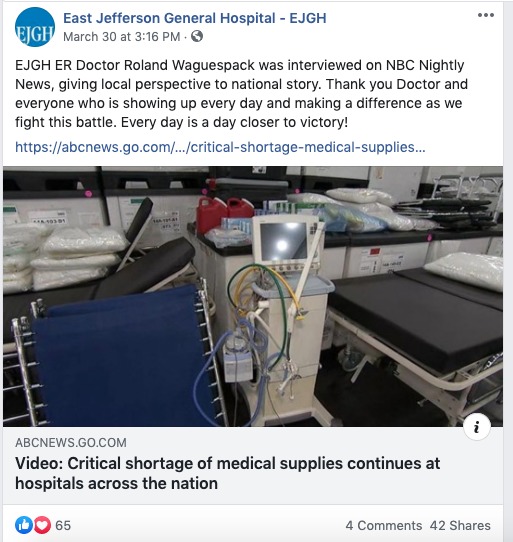
East Jefferson Hospital thanks Emergency Room Doctor Roland Waguespack for his continued work at the hospital during the COVID-19 pandemic and shares his interview with NBC Nightly News during which he discussed shortages of medical supplies in Louisiana hospitals.
-
2020-04-27
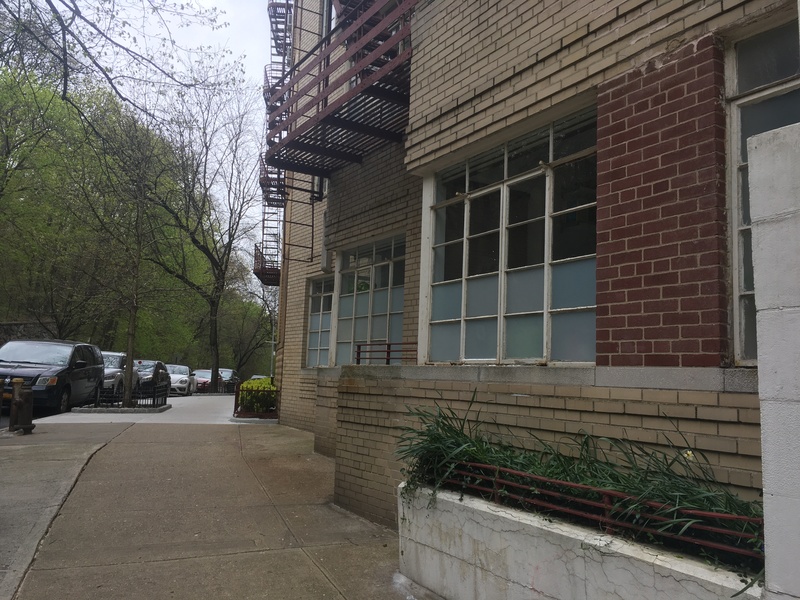
In mid-march my school transitioned to virtual classes and sent everyone home for the semester. I've mostly been at home in Manhattan since then; the last time I rode the subway, previously a daily occurrence, was over six weeks ago now.
At home and in the neighborhood nearby since then, I feel as though I can look out the window onto a previous version of myself that could not have anticipated any of this. I also feel as though I look at myself now through a window, because after over a month, this all still feels fake in a way. It’s as though time has been suspended and I’m watching myself filling that time that “doesn’t count.” There is a numbness that comes with not being able to do any of what we’re used to and not being able to see people who we thought nothing of seeing every day in the past. The window analogy is both a way of conceptualizing but also deliberately engaging in that numbness and removing oneself from the reality of the situation, perhaps on both a personal and global level. It’s also a way of rebuilding the wall that has been breached by collision of home with the spaces that are normally outside of it, like work and school, and are now part of the same physical setting, albeit digitally.
This has made me think a lot about windows, which are everywhere in New York, and so I started to take pictures of windows in buildings I passed while going for walks. The windows themselves all look similar; despite differences in architectural style, they are all in essence the same glass barrier between inside and outside and public and private. It’s not something specific to life in a pandemic, but during this time it is especially relevant because for people staying mostly at home, our windows are potentially the only glimpse of the outside that we’ll see in a day. They divide our former lives and everything that we’d normally be doing outside of home from our current lives that have suspended many of those activities and digitized others.
It’s easier to think about these private separate lives going on behind the windows I pass when there are fewer people out on the street. Normally the act of passing people as I walk is more engaging than what I can’t see in the closed-off apartment buildings, but now there is not a lot going on in the streets. It’s interesting to think I’m probably closer in distance to people behind the walls of the ground floors of buildings than the people I can see on the street, especially on the less busy streets that are particularly empty these days.
-
2020-04-04
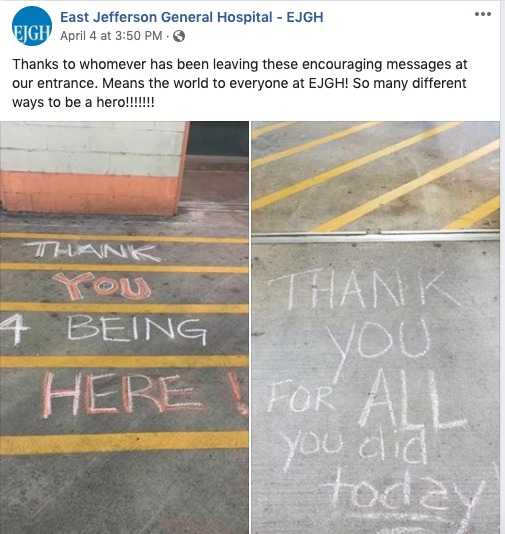
Chalk messages thank the frontline personnel on the sidewalks outside a hospital during the COVID-19 pandemic.
-
2020-04-27
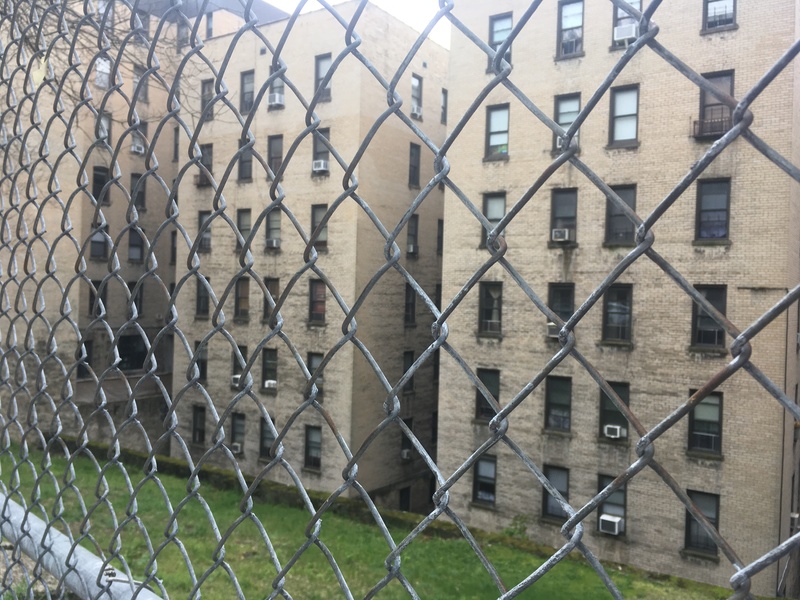
In mid-march my school transitioned to virtual classes and sent everyone home for the semester. I've mostly been at home in Manhattan since then; the last time I rode the subway, previously a daily occurrence, was over six weeks ago now.
At home and in the neighborhood nearby since then, I feel as though I can look out the window onto a previous version of myself that could not have anticipated any of this. I also feel as though I look at myself now through a window, because after over a month, this all still feels fake in a way. It’s as though time has been suspended and I’m watching myself filling that time that “doesn’t count.” There is a numbness that comes with not being able to do any of what we’re used to and not being able to see people who we thought nothing of seeing every day in the past. The window analogy is both a way of conceptualizing but also deliberately engaging in that numbness and removing oneself from the reality of the situation, perhaps on both a personal and global level. It’s also a way of rebuilding the wall that has been breached by collision of home with the spaces that are normally outside of it, like work and school, and are now part of the same physical setting, albeit digitally.
This has made me think a lot about windows, which are everywhere in New York, and so I started to take pictures of windows in buildings I passed while going for walks. The windows themselves all look similar; despite differences in architectural style, they are all in essence the same glass barrier between inside and outside and public and private. It’s not something specific to life in a pandemic, but during this time it is especially relevant because for people staying mostly at home, our windows are potentially the only glimpse of the outside that we’ll see in a day. They divide our former lives and everything that we’d normally be doing outside of home from our current lives that have suspended many of those activities and digitized others.
It’s easier to think about these private separate lives going on behind the windows I pass when there are fewer people out on the street. Normally the act of passing people as I walk is more engaging than what I can’t see in the closed-off apartment buildings, but now there is not a lot going on in the streets. It’s interesting to think I’m probably closer in distance to people behind the walls of the ground floors of buildings than the people I can see on the street, especially on the less busy streets that are particularly empty these days.
-
2020-04-07
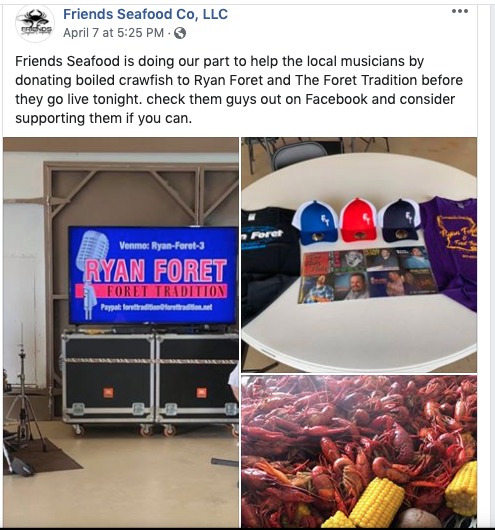
Chase Bruner, a local firefighter, and business owner donated boiled crawfish to local musician Ryan Foret and The Foret Tradition prior to a live-streamed performance.
-
2020-04-27
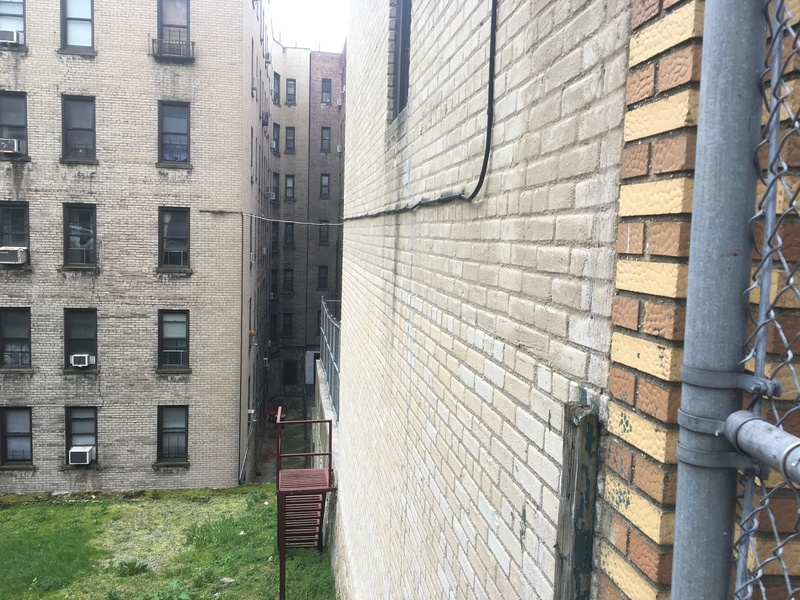
In mid-march my school transitioned to virtual classes and sent everyone home for the semester. I've mostly been at home in Manhattan since then; the last time I rode the subway, previously a daily occurrence, was over six weeks ago now.
At home and in the neighborhood nearby since then, I feel as though I can look out the window onto a previous version of myself that could not have anticipated any of this. I also feel as though I look at myself now through a window, because after over a month, this all still feels fake in a way. It’s as though time has been suspended and I’m watching myself filling that time that “doesn’t count.” There is a numbness that comes with not being able to do any of what we’re used to and not being able to see people who we thought nothing of seeing every day in the past. The window analogy is both a way of conceptualizing but also deliberately engaging in that numbness and removing oneself from the reality of the situation, perhaps on both a personal and global level. It’s also a way of rebuilding the wall that has been breached by collision of home with the spaces that are normally outside of it, like work and school, and are now part of the same physical setting, albeit digitally.
This has made me think a lot about windows, which are everywhere in New York, and so I started to take pictures of windows in buildings I passed while going for walks. The windows themselves all look similar; despite differences in architectural style, they are all in essence the same glass barrier between inside and outside and public and private. It’s not something specific to life in a pandemic, but during this time it is especially relevant because for people staying mostly at home, our windows are potentially the only glimpse of the outside that we’ll see in a day. They divide our former lives and everything that we’d normally be doing outside of home from our current lives that have suspended many of those activities and digitized others.
It’s easier to think about these private separate lives going on behind the windows I pass when there are fewer people out on the street. Normally the act of passing people as I walk is more engaging than what I can’t see in the closed-off apartment buildings, but now there is not a lot going on in the streets. It’s interesting to think I’m probably closer in distance to people behind the walls of the ground floors of buildings than the people I can see on the street, especially on the less busy streets that are particularly empty these days.
-
2020-05-01
Living
-
2020-03-27
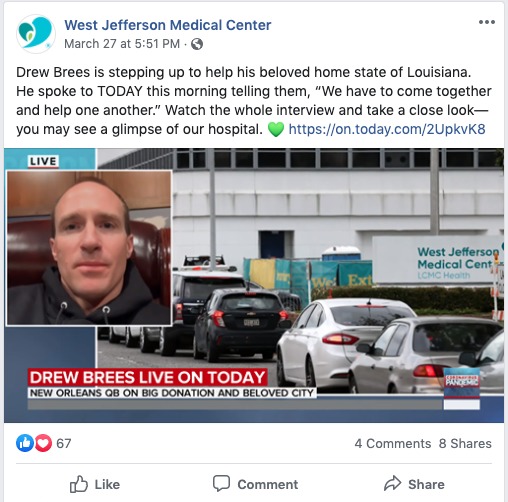
New Orleans Saints Quarterback Drew Brees donated 5 million dollars to help deliver meals to needy people in Louisiana. An interview with Brees on the TODAY show featured images of West Jefferson Medical Center.
-
2020-04-27
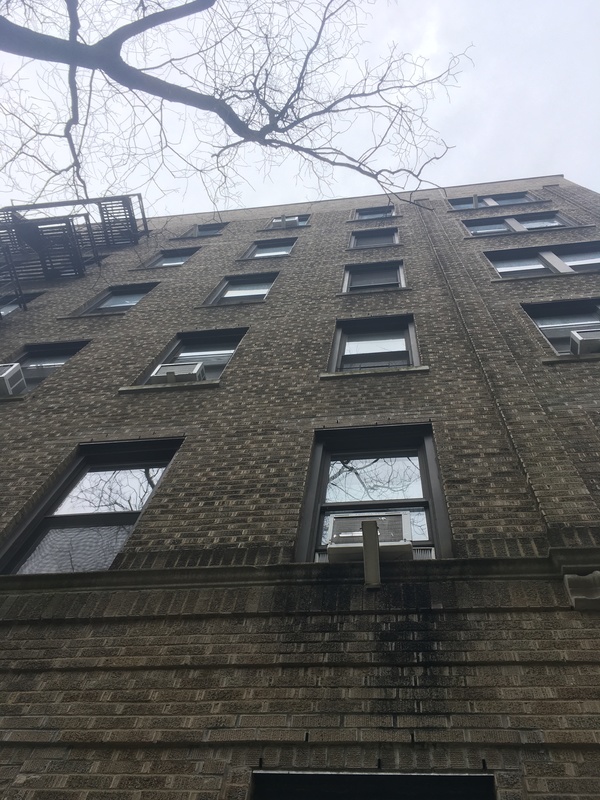
In mid-march my school transitioned to virtual classes and sent everyone home for the semester. I've mostly been at home in Manhattan since then; the last time I rode the subway, previously a daily occurrence, was over six weeks ago now.
At home and in the neighborhood nearby since then, I feel as though I can look out the window onto a previous version of myself that could not have anticipated any of this. I also feel as though I look at myself now through a window, because after over a month, this all still feels fake in a way. It’s as though time has been suspended and I’m watching myself filling that time that “doesn’t count.” There is a numbness that comes with not being able to do any of what we’re used to and not being able to see people who we thought nothing of seeing every day in the past. The window analogy is both a way of conceptualizing but also deliberately engaging in that numbness and removing oneself from the reality of the situation, perhaps on both a personal and global level. It’s also a way of rebuilding the wall that has been breached by collision of home with the spaces that are normally outside of it, like work and school, and are now part of the same physical setting, albeit digitally.
This has made me think a lot about windows, which are everywhere in New York, and so I started to take pictures of windows in buildings I passed while going for walks. The windows themselves all look similar; despite differences in architectural style, they are all in essence the same glass barrier between inside and outside and public and private. It’s not something specific to life in a pandemic, but during this time it is especially relevant because for people staying mostly at home, our windows are potentially the only glimpse of the outside that we’ll see in a day. They divide our former lives and everything that we’d normally be doing outside of home from our current lives that have suspended many of those activities and digitized others.
It’s easier to think about these private separate lives going on behind the windows I pass when there are fewer people out on the street. Normally the act of passing people as I walk is more engaging than what I can’t see in the closed-off apartment buildings, but now there is not a lot going on in the streets. It’s interesting to think I’m probably closer in distance to people behind the walls of the ground floors of buildings than the people I can see on the street, especially on the less busy streets that are particularly empty these days.
-
2020-03-27
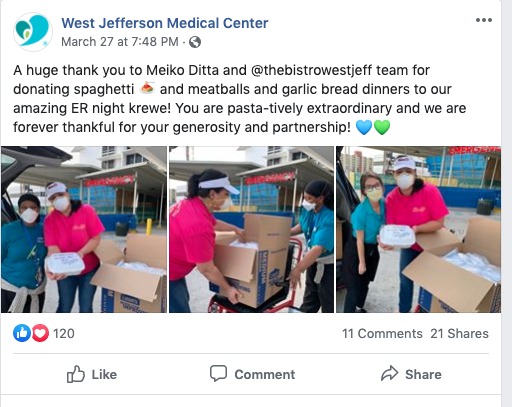
West Jefferson Medical Center thanks local restaurant for donating spaghetti and meatball dinners to its Emergency Room night "krewe."
-
2020-04-27
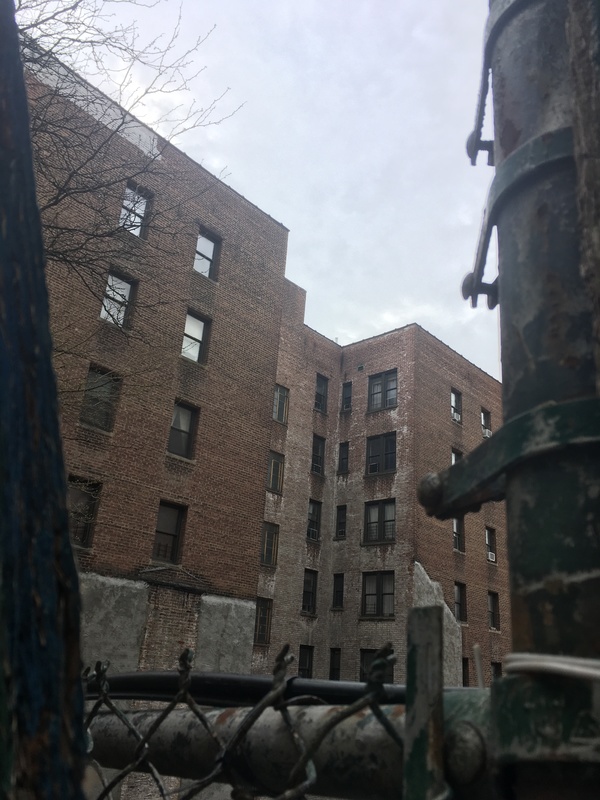
In mid-march my school transitioned to virtual classes and sent everyone home for the semester. I've mostly been at home in Manhattan since then; the last time I rode the subway, previously a daily occurrence, was over six weeks ago now.
At home and in the neighborhood nearby since then, I feel as though I can look out the window onto a previous version of myself that could not have anticipated any of this. I also feel as though I look at myself now through a window, because after over a month, this all still feels fake in a way. It’s as though time has been suspended and I’m watching myself filling that time that “doesn’t count.” There is a numbness that comes with not being able to do any of what we’re used to and not being able to see people who we thought nothing of seeing every day in the past. The window analogy is both a way of conceptualizing but also deliberately engaging in that numbness and removing oneself from the reality of the situation, perhaps on both a personal and global level. It’s also a way of rebuilding the wall that has been breached by collision of home with the spaces that are normally outside of it, like work and school, and are now part of the same physical setting, albeit digitally.
This has made me think a lot about windows, which are everywhere in New York, and so I started to take pictures of windows in buildings I passed while going for walks. The windows themselves all look similar; despite differences in architectural style, they are all in essence the same glass barrier between inside and outside and public and private. It’s not something specific to life in a pandemic, but during this time it is especially relevant because for people staying mostly at home, our windows are potentially the only glimpse of the outside that we’ll see in a day. They divide our former lives and everything that we’d normally be doing outside of home from our current lives that have suspended many of those activities and digitized others.
It’s easier to think about these private separate lives going on behind the windows I pass when there are fewer people out on the street. Normally the act of passing people as I walk is more engaging than what I can’t see in the closed-off apartment buildings, but now there is not a lot going on in the streets. It’s interesting to think I’m probably closer in distance to people behind the walls of the ground floors of buildings than the people I can see on the street, especially on the less busy streets that are particularly empty these days.
-
2020-04-20
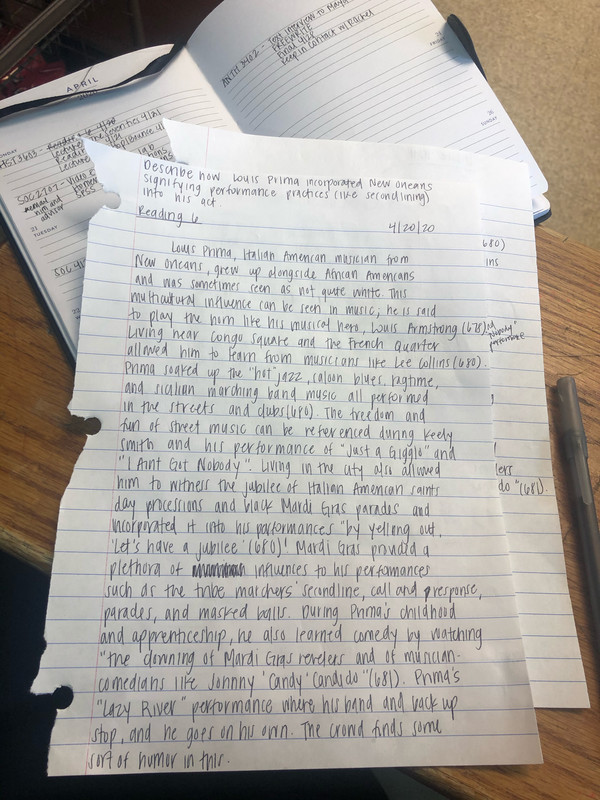
Due to the COVID-19 pandemic, classes at the University of New Orleans are all taking place online. However, not all students have access to a computer or the internet. In order to meet all of the course requirements, undergraduate student Morgan Authement completed her assignments by hand, photographed them, and emailed them to her professor with her phone.
-
2020-04-07
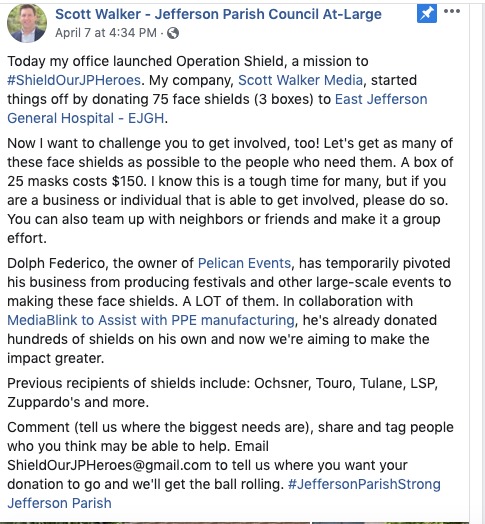
Scott Walker Media provides 75 face shields for medical personnel at East Jefferson General Hospital. Scott Walker challenges others to get involved in donating PPE to area hospitals. A local festival planning company, Pelican Events, shifted its operations to produce masks locally.
-
2020-04-27
In mid-march my school transitioned to virtual classes and sent everyone home for the semester. I've mostly been at home in Manhattan since then; the last time I rode the subway, previously a daily occurrence, was over six weeks ago now.
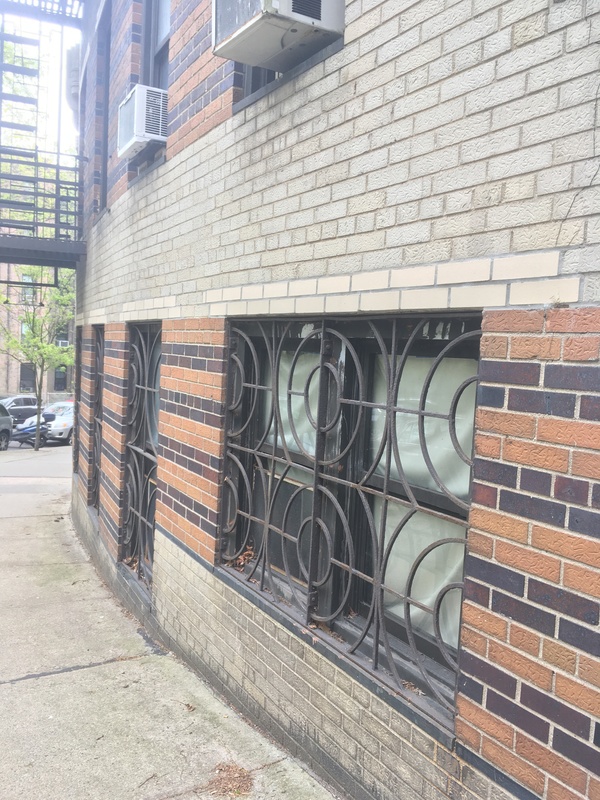
At home and in the neighborhood nearby since then, I feel as though I can look out the window onto a previous version of myself that could not have anticipated any of this. I also feel as though I look at myself now through a window, because after over a month, this all still feels fake in a way. It’s as though time has been suspended and I’m watching myself filling that time that “doesn’t count.” There is a numbness that comes with not being able to do any of what we’re used to and not being able to see people who we thought nothing of seeing every day in the past. The window analogy is both a way of conceptualizing but also deliberately engaging in that numbness and removing oneself from the reality of the situation, perhaps on both a personal and global level. It’s also a way of rebuilding the wall that has been breached by collision of home with the spaces that are normally outside of it, like work and school, and are now part of the same physical setting, albeit digitally.
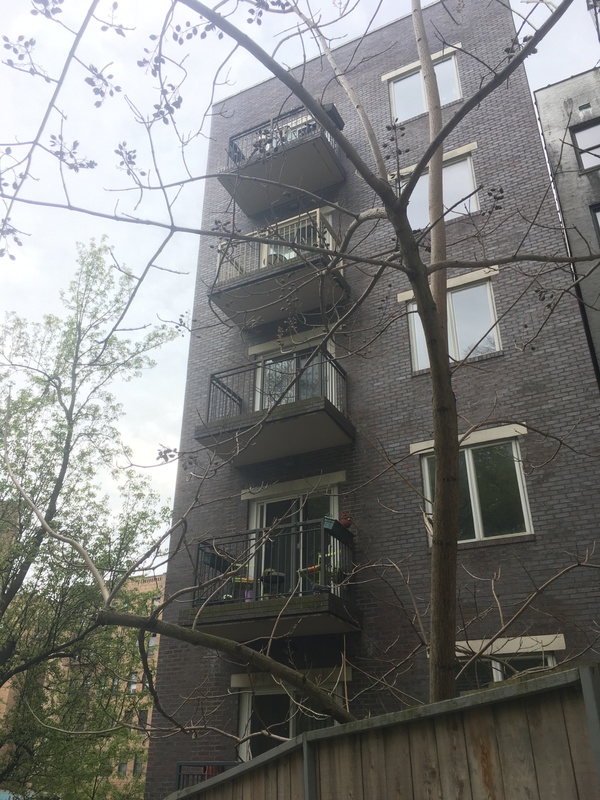
This has made me think a lot about windows, which are everywhere in New York, and so I started to take pictures of windows in buildings I passed while going for walks. The windows themselves all look similar; despite differences in architectural style, they are all in essence the same glass barrier between inside and outside and public and private. It’s not something specific to life in a pandemic, but during this time it is especially relevant because for people staying mostly at home, our windows are potentially the only glimpse of the outside that we’ll see in a day. They divide our former lives and everything that we’d normally be doing outside of home from our current lives that have suspended many of those activities and digitized others.
It’s easier to think about these private separate lives going on behind the windows I pass when there are fewer people out on the street. Normally the act of passing people as I walk is more engaging than what I can’t see in the closed-off apartment buildings, but now there is not a lot going on in the streets. It’s interesting to think I’m probably closer in distance to people behind the walls of the ground floors of buildings than the people I can see on the street, especially on the less busy streets that are particularly empty these days.
-
2020-04-07
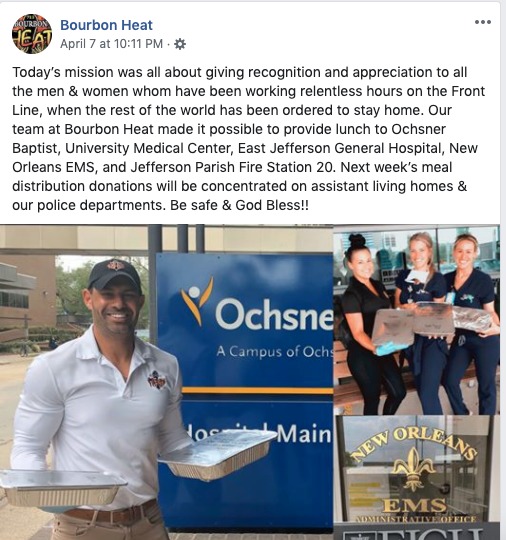
Bourbon Heat restaurant delivers food to frontline workers at area hospitals and fire stations.
-
2020-04-27
In mid-march my school transitioned to virtual classes and sent everyone home for the semester. I've mostly been at home in Manhattan since then; the last time I rode the subway, previously a daily occurrence, was over six weeks ago now.
At home and in the neighborhood nearby since then, I feel as though I can look out the window onto a previous version of myself that could not have anticipated any of this. I also feel as though I look at myself now through a window, because after over a month, this all still feels fake in a way. It’s as though time has been suspended and I’m watching myself filling that time that “doesn’t count.” There is a numbness that comes with not being able to do any of what we’re used to and not being able to see people who we thought nothing of seeing every day in the past. The window analogy is both a way of conceptualizing but also deliberately engaging in that numbness and removing oneself from the reality of the situation, perhaps on both a personal and global level. It’s also a way of rebuilding the wall that has been breached by collision of home with the spaces that are normally outside of it, like work and school, and are now part of the same physical setting, albeit digitally.
This has made me think a lot about windows, which are everywhere in New York, and so I started to take pictures of windows in buildings I passed while going for walks. The windows themselves all look similar; despite differences in architectural style, they are all in essence the same glass barrier between inside and outside and public and private. It’s not something specific to life in a pandemic, but during this time it is especially relevant because for people staying mostly at home, our windows are potentially the only glimpse of the outside that we’ll see in a day. They divide our former lives and everything that we’d normally be doing outside of home from our current lives that have suspended many of those activities and digitized others.
It’s easier to think about these private separate lives going on behind the windows I pass when there are fewer people out on the street. Normally the act of passing people as I walk is more engaging than what I can’t see in the closed-off apartment buildings, but now there is not a lot going on in the streets. It’s interesting to think I’m probably closer in distance to people behind the walls of the ground floors of buildings than the people I can see on the street, especially on the less busy streets that are particularly empty these days.
-

2020-04-27
To keep our spirits up our culture and climate committee at my school created an office photo contest for the staff to show off what their home office looks like during our "stay home, stay safe, stay connected" order, which is nothing more than a watered-down version of a shelter in place order. This is a picture of my office: our dining room table converted into a desk with all my devices and curriculum materials all around me.
-
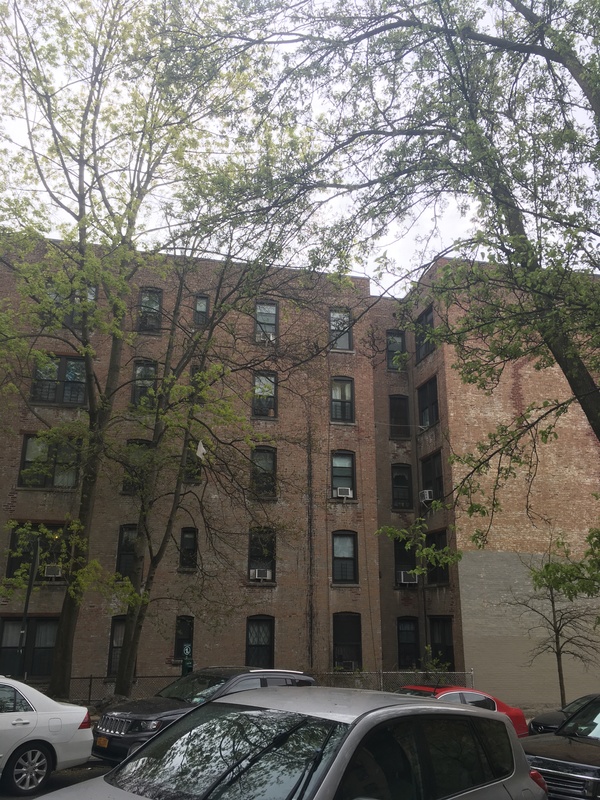
2020-04-27
In mid-march my school transitioned to virtual classes and sent everyone home for the semester. I've mostly been at home in Manhattan since then; the last time I rode the subway, previously a daily occurrence, was over six weeks ago now.
At home and in the neighborhood nearby since then, I feel as though I can look out the window onto a previous version of myself that could not have anticipated any of this. I also feel as though I look at myself now through a window, because after over a month, this all still feels fake in a way. It’s as though time has been suspended and I’m watching myself filling that time that “doesn’t count.” There is a numbness that comes with not being able to do any of what we’re used to and not being able to see people who we thought nothing of seeing every day in the past. The window analogy is both a way of conceptualizing but also deliberately engaging in that numbness and removing oneself from the reality of the situation, perhaps on both a personal and global level. It’s also a way of rebuilding the wall that has been breached by collision of home with the spaces that are normally outside of it, like work and school, and are now part of the same physical setting, albeit digitally.
This has made me think a lot about windows, which are everywhere in New York, and so I started to take pictures of windows in buildings I passed while going for walks. The windows themselves all look similar; despite differences in architectural style, they are all in essence the same glass barrier between inside and outside and public and private. It’s not something specific to life in a pandemic, but during this time it is especially relevant because for people staying mostly at home, our windows are potentially the only glimpse of the outside that we’ll see in a day. They divide our former lives and everything that we’d normally be doing outside of home from our current lives that have suspended many of those activities and digitized others.
It’s easier to think about these private separate lives going on behind the windows I pass when there are fewer people out on the street. Normally the act of passing people as I walk is more engaging than what I can’t see in the closed-off apartment buildings, but now there is not a lot going on in the streets. It’s interesting to think I’m probably closer in distance to people behind the walls of the ground floors of buildings than the people I can see on the street, especially on the less busy streets that are particularly empty these days.
-
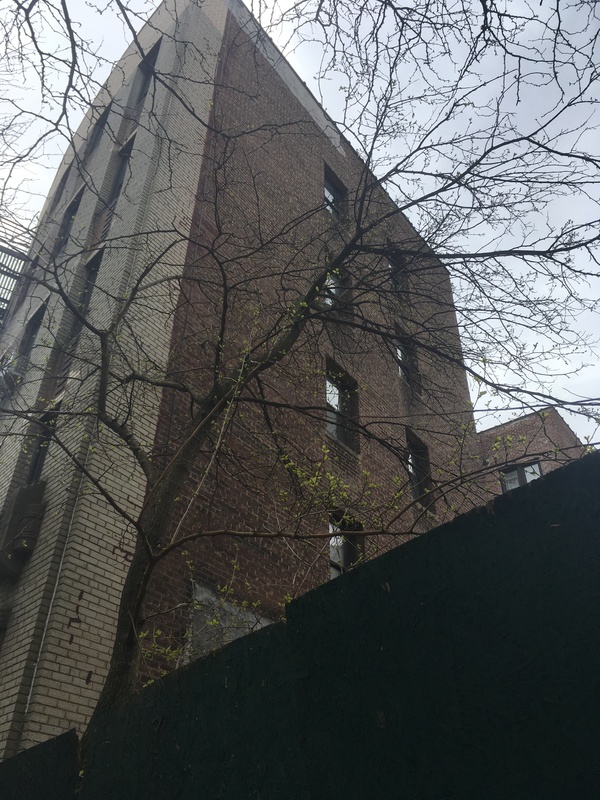
2020-04-27
In mid-march my school transitioned to virtual classes and sent everyone home for the semester. I've mostly been at home in Manhattan since then; the last time I rode the subway, previously a daily occurrence, was over six weeks ago now.
At home and in the neighborhood nearby since then, I feel as though I can look out the window onto a previous version of myself that could not have anticipated any of this. I also feel as though I look at myself now through a window, because after over a month, this all still feels fake in a way. It’s as though time has been suspended and I’m watching myself filling that time that “doesn’t count.” There is a numbness that comes with not being able to do any of what we’re used to and not being able to see people who we thought nothing of seeing every day in the past. The window analogy is both a way of conceptualizing but also deliberately engaging in that numbness and removing oneself from the reality of the situation, perhaps on both a personal and global level. It’s also a way of rebuilding the wall that has been breached by collision of home with the spaces that are normally outside of it, like work and school, and are now part of the same physical setting, albeit digitally.
This has made me think a lot about windows, which are everywhere in New York, and so I started to take pictures of windows in buildings I passed while going for walks. The windows themselves all look similar; despite differences in architectural style, they are all in essence the same glass barrier between inside and outside and public and private. It’s not something specific to life in a pandemic, but during this time it is especially relevant because for people staying mostly at home, our windows are potentially the only glimpse of the outside that we’ll see in a day. They divide our former lives and everything that we’d normally be doing outside of home from our current lives that have suspended many of those activities and digitized others.
It’s easier to think about these private separate lives going on behind the windows I pass when there are fewer people out on the street. Normally the act of passing people as I walk is more engaging than what I can’t see in the closed-off apartment buildings, but now there is not a lot going on in the streets. It’s interesting to think I’m probably closer in distance to people behind the walls of the ground floors of buildings than the people I can see on the street, especially on the less busy streets that are particularly empty these days.
-
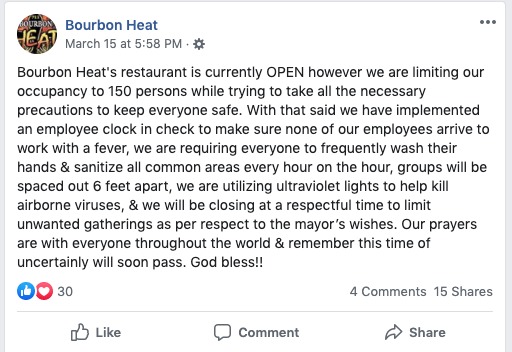
2020-03-15
Bourbon Heat lets its customers know they are remaining open and taking the necessary precautions to protect against the virus.
-
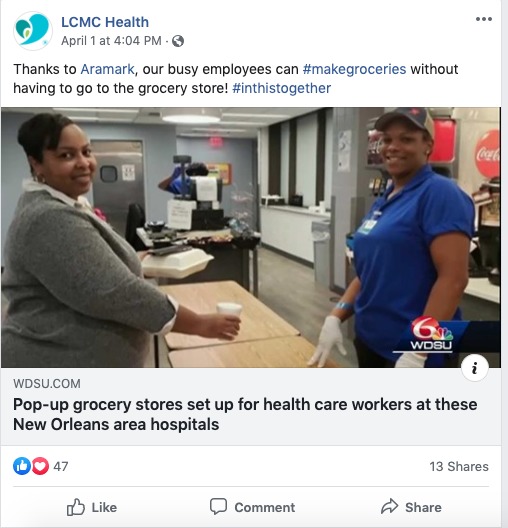
2020-04-01
A small grocery store is set up in hospitals to provide employees with essential items as their rigorous work schedules continue during the COVID-19 pandemic.
-
2020-04-07
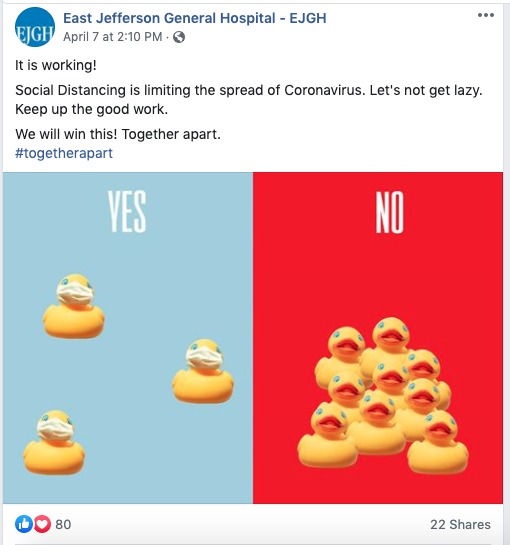
East Jefferson General Hospital shares an image of rubber duckies social distancing on social media and states that social distancing is working.