-
2020-06-24
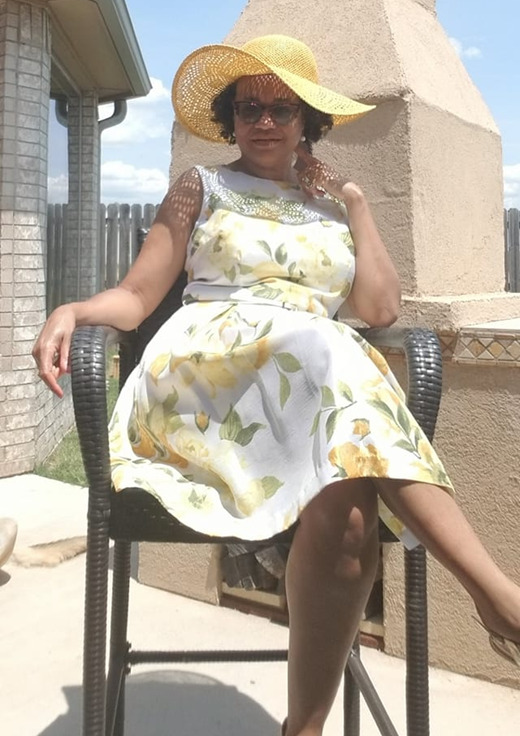
In the pandemic, Kimry reached back to her roots and decided to create a garden. When asked by friends on Facebook what did she put into the ground to make it so fertile? She replied "I put love into my ground, I put hope into my ground, I put patience into my ground and I put heart and soul into my ground. In life you can try and put this into people and yield no love back, no real friendship, and no real kindness. But, I tell you, Mother Earth will show you, that you deserve all that you put into her and more. God's time can be so quiet, calming, and so peaceful."
-
2020-06-26
The Pandemic impacted everyone in different ways. Everyone's life changed in one way or another. For me, my life went from hustling and bustling to peace, silence, and alone time. Before the Pandemic, my daily routine was driving 45 minutes to work daily, frequent trips to Mexico, and I was constantly on the move. A full-time student, and part-time tutor, I was continually helping students and finding study time at my local Community College. Also, I would frequent local Starbucks often to work on my reading and writing assignments. However, when the Pandemic hit, everything changed for me. Now, instead of driving to work daily and visiting Mexico, I found myself working online, studying in my room, and not seeing anyone face to face except for immediate relatives. For the majority of the Pandemic, I did not go anywhere as I previously did. In other words, the hustling and bustling of the highway now turned into silence, the continued camaraderie between students and cow-workers now turned into silence, and just like that, my life altered to a new dimension of silence like have never experienced.
-
2021-03-10
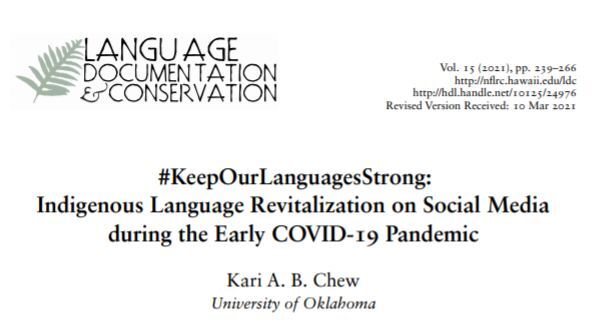
This is a paper by Kari A. B. Chew at the University of Oklahoma that reviews language revitalization efforts during the early part of the COVID-19 pandemic. The paper focuses on revitalization efforts among Indigenous groups in the United States and Canada.
-

2021-06-27
virALLanguages is a volunteer-led project that creates COVID safety content in different endangered languages. The project runs a YouTube channel and Facebook page where they post videos with information about COVID in rare languages, and their website also has a collection of downloadable materials in those languages. Beyond translating material, the project also seeks to tailor awareness materials to members of a community to be in touch with the speakers of those languages by using culturally-aware vocabulary and figures of speech.
The attached URIs contain, in order:
1: The main page of the website
2: All of the videos the project has made, including YouTube links and downloadable videos, on the project website
3: An Internet Archive page with the videos the project has made
-
2021-06-18
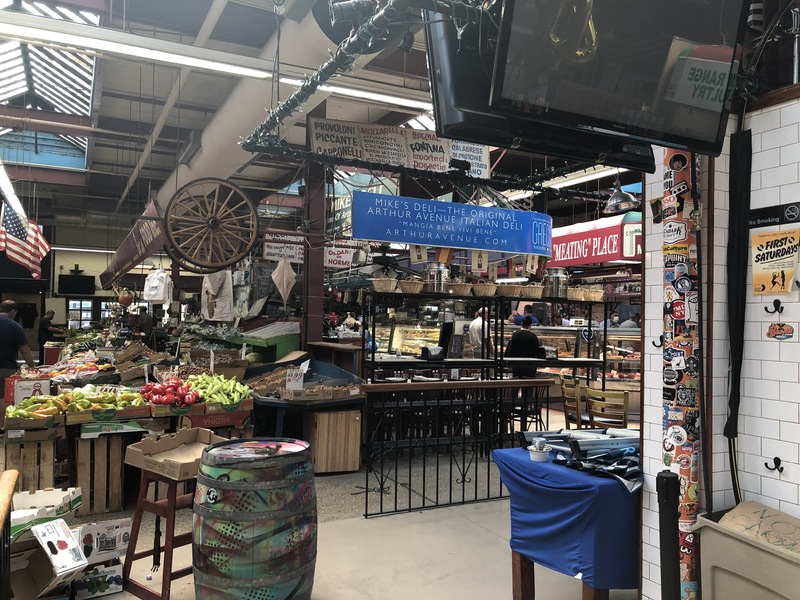
I traveled to New York this summer, and one of the places I visited was Arthur Avenue, located in the Belmont neighborhood of the Bronx and the main artery of the Bronx's Little Italy. Arthur Avenue provided a unique insight into the function of immigrant languages during the pandemic.
Most of the people I heard talking as I walked down Arthur Avenue and went into the stores were speaking English, as would be expected in most of the United States. Some had an accent similar to a "standard" American accent/my Californian accent, while others spoke in New Yorker accents. I heard some people speaking Italian, mostly if not entirely elderly people, in several stores, including Cerini Coffee and Gifts. I also heard expression of language through music, in the form of a speaker in front of Mario's Restaurant playing "Tu vuò fà l'Americano" ("You Want to Be an American") and "O Sarracino" ("The Saracen"), two famous Neapolitan language songs. I didn't expect to hear music in Italian "dialect" (called so even though Neapolitan is a proper stand-alone language).
However, Belmont is no longer just Little Italy. It also has a large Albanian presence. I saw a flyer on a street pole in Albanian which I presume to either be a missing sign or a flyer for a funeral. I have no idea what the flyer said because I don't know Albanian, but among the text were two pictures of an elderly man. In front of Randazzo's Seafood, I also saw a sign advertising some type of shellfish (I can't remember which) in Albanian and English, though not in Italian, which I thought was interesting since the store is owned by the grandchildren of immigrants from Sicily. There was also an Albanian television provider called TV ALB, which indicated to me that there are enough Albanian speakers in the area to sustain an Albanian-language cable or broadcast provider, even during the pandemic. I didn't hear any spoken Albanian.
This could be a purely anecdotal observation, but I saw Italian primarily as a spoken language and Albanian primarily in writing. There was some writing in Italian, but most of it was either names of food items that couldn't be translated into English or sayings like "mangia bene vivi bene" ("eat well, live well", as a command; the picture of which is attached to this story) for promotional purposes. There was no actual communication occurring in written Italian.
On a non-linguistic note, most of the restaurants also had outdoor seating under canopies, a consequence of COVID.
-
2020-04-09
This article talks about the numerous health benefits that scientific studies have proven we get from pet ownership. During the pandemic, those health benefits are more important than ever. Given that there is no evidence that people can get COVID from their animal companions, interacting with your pet is a fun, easy, and safe way to stay healthy and happy during the pandemic.
-
2020-11-24
A study done in Israel looks at the relationship between humans and dogs during the pandemic. The study finds that, like in the United States, there was a significant increase in dog adoptions in Israel during the pandemic. They also found a direct correlation between the mental health of the owner and the perceived quality of the life of the dog.
-

2021-03-21
Section 11004 of H.R.1319 - American Rescue Plan Act of 2021 reads:
SEC. 11004. COVID–19 RESPONSE RESOURCES FOR THE PRESERVATION AND MAINTENANCE OF NATIVE AMERICAN LANGUAGES.
(a) Section 816 of the Native American Programs Act of 1974 (42 U.S.C. 2992d) is amended by adding at the end the following:
“(f) In addition to amounts otherwise available, there is appropriated for fiscal year 2021, out of any money in the Treasury not otherwise appropriated, $20,000,000 to remain available until expended, to carry out section 803C(g) of this Act.”.
(b) Section 803C of the Native American Programs Act of 1974 (42 U.S.C. 2991b–3) is amended by adding at the end the following:
“(g) Emergency Grants For Native American Language Preservation And Maintenance.—Not later than 180 days after the effective date of this subsection, the Secretary shall award grants to entities eligible to receive assistance under subsection (a)(1) to ensure the survival and continuing vitality of Native American languages during and after the public health emergency declared by the Secretary pursuant to section 319 of the Public Health Service Act (42 U.S.C. 247d) with respect to the COVID–19 pandemic.”.
-
2021-05-31
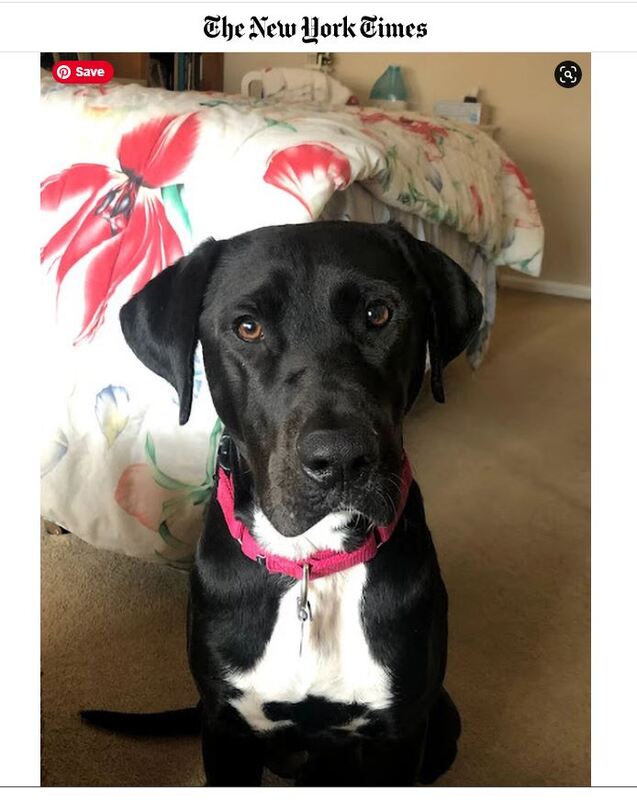
This article explains that we should not be alarmed by the headlines that state that pandemic pets are returning to shelters as their owners return to work. The numbers just don't support that supposition. While abandonment rates are on the rise, they appear to simply be returning to pre-covid rates.
-
2020-10-28
Before the pandemic and the subsequent lockdowns began, hearing or seeing a loved one seemed almost a certainty. Although I worried for the safety of all my friends and family, I was most concerned with the well-being of my aging, immunocompromised grandmother. As a daughter of Eastern European immigrants, she was accustomed to eating ethnic Polish food. Throughout my childhood, she would kindly make pierogis and kielbasa sausage for me and my sister. The savory aroma of pierogis and kielbasa sausage cooking in sauerkraut inundated the senses. With the onset of the pandemic, however, my life, as with so many others, changed. Unfortunately, my grandmother is not accustomed to using video-chat services; however, hearing her voice over the phone or social-distancing on her porch allowed me to maintain contact, hear her voice, and smell the wonderful aroma of the food she always made for me as a child. Although momentary, the loss of hearing my grandmother’s voice as well as her delicious food made me realize how important it is to cherish the connections you have with your loved ones. During a time of uncertainty, tragedy, and disconnection, a loved one’s voice (as well as the food they make) can provide an emotional uplift.
-
2021-07-27
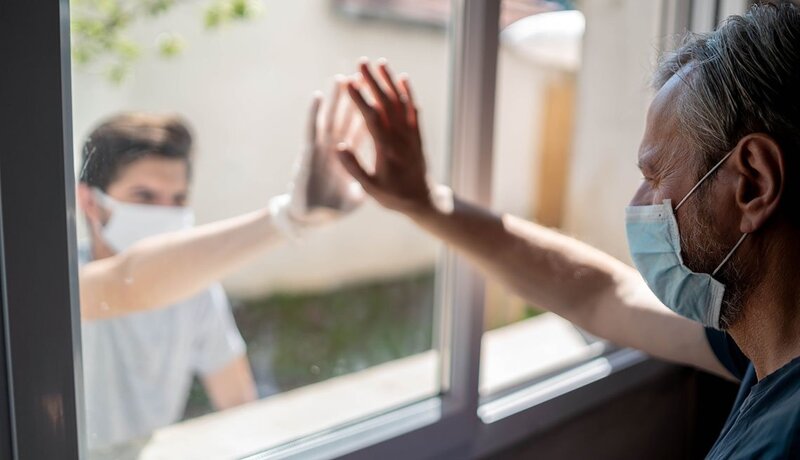
When I spent the Thanksgiving 2019 holiday with my family at my grandparent’s house, I had no idea that my hug goodbye would be the last hug I could share with my grandmother for a very long while. With the onset of the coronavirus pandemic, the CDC pushed multiple changes to prevent the spread of the virus which included social distancing. Both my grandparents are at high risk with underlying health conditions, so possible exposure to the virus was not an option for them. For us, social distancing also meant family distancing. Thankfully, I was able to have regular meetings with them on their front porch. We kept one of the front doors closed to separate us, and we talked from a safe distance. It was not the same as what I was used to and I missed the closeness that we once had, but they were moments to cherish as I did not know when I would get to hug them again. Sadly, I was not the only individual forced to find new ways to stay in touch with family members. All over the internet, heartbreaking pictures and videos surfaced showing families separated by hospital windows, mothers giving birth without family in the delivery room to support them and hold their new baby, and people ‘touching’ their loved one’s hands through glass barriers. These moments showed how the coronavirus left many families out of touch.
Once the virus started to slow down and vaccines became accessible, I was finally able to spend more time with my grandparents without the physical barrier. Lots of people are talking about a ‘new normal’ now that cities are reopening and people are getting to go back to their lives. For me, getting to hug my grandmother again was a sign that everything would be okay, and life finally felt normal.
-
2020-07-16
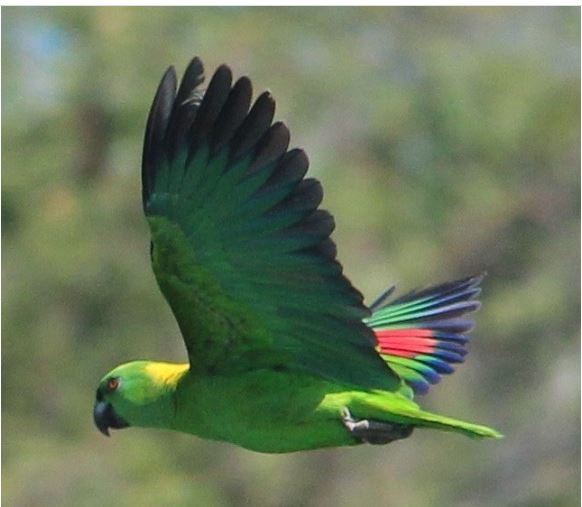
Northern Parrots, a bird blog and store in the UK, writes that pet owners are worried that their feathered babies could contract COVID-19. All the evidence shows that is highly unlikely. The blog post also mentions that birds are also affected by lockdown and quarantine in both positive and negative ways. One positive is that their owners are spending more time at home. On the flip side, favorite friends and visitors aren't coming to visit, and sometimes it is hard to find the foods they want. The article mentions Madeira cake, but in my personal experience it was often difficult to find fresh organic produce for awhile. The article goes on to talk about parrot conservation during the pandemic, particularly in Central America. There are fears that people out of work may turn to poaching as a resource for quick cash. Also a beloved ornithologist, Luis Fernando Díaz Chávez, who was important to Paso Pacifico's conservation efforts passed away from COVID-19.
-
2020-03-15
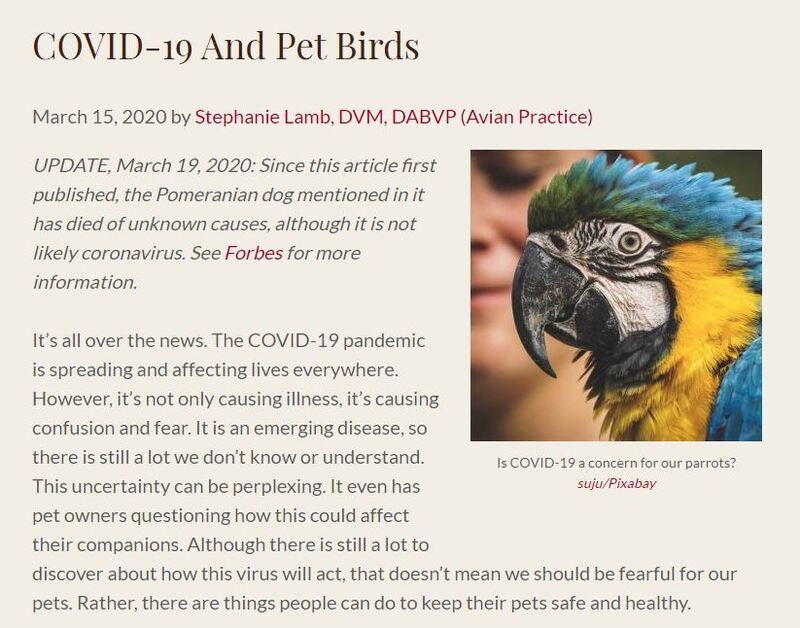
As a parrot owner, I was initially concerned at the start of the pandemic that the virus could be transferred to my avian companions. While I know that viruses are often species-specific, mutations can allow them to jump species. Birds have incredibly delicate respiratory systems, so a respiratory illness in a bird is often deadly. This article from bird food producer Lafaeber explains why caution is warranted by not panic. It is now more than a year since this article has been written, and I am no longer concerned about my parrots catching COVID-19. I belong to many bird groups on social media and have yet to hear of a pet bird who caught the disease.
-
2021-05-31
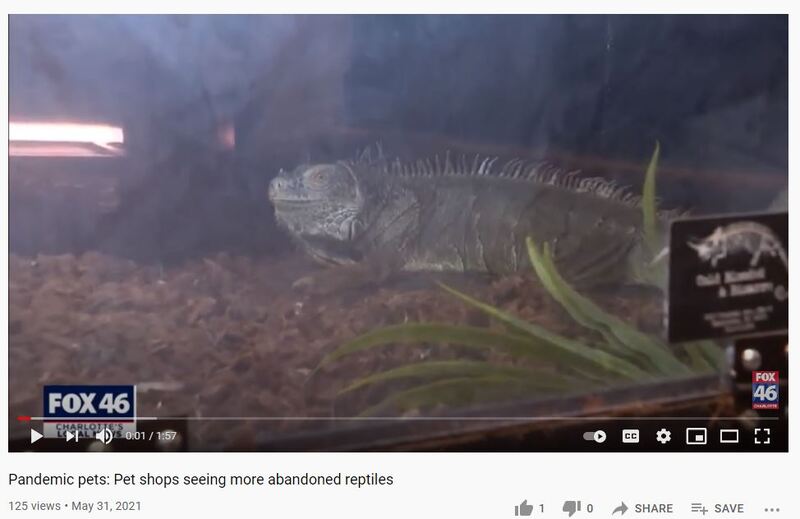
Pet shops in Charlotte, NC report that alongside the increased demand for exotic pets, there has been an uptick in animal abandonment as well. The pet shop in this article reported that the number of rescue calls they received doubled during the pandemic. Exotic animals abandoned outside raise environmental concerns. If some manage to survive the winter, they could pose a threat to native wildlife.
-
2021-02-02
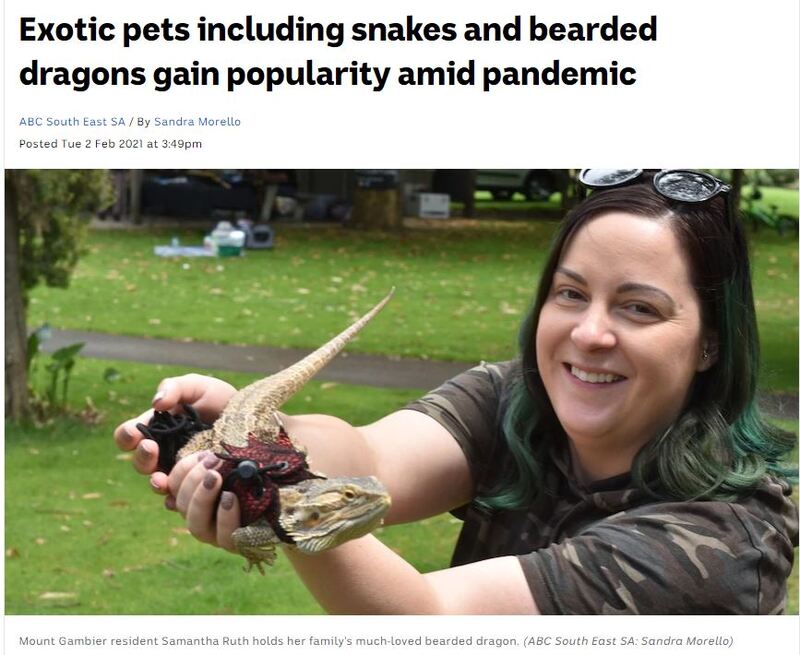
According to the article, Australia is experiencing an increase in exotic pet popularity during the pandemic. With people having more time and resources, the demand for pets, in general, is on the rise. The fear of reptiles exhibited by Generation X is not there in younger generations, so demand for these cool and unusual creatures is on the rise.
-
2020-05-14
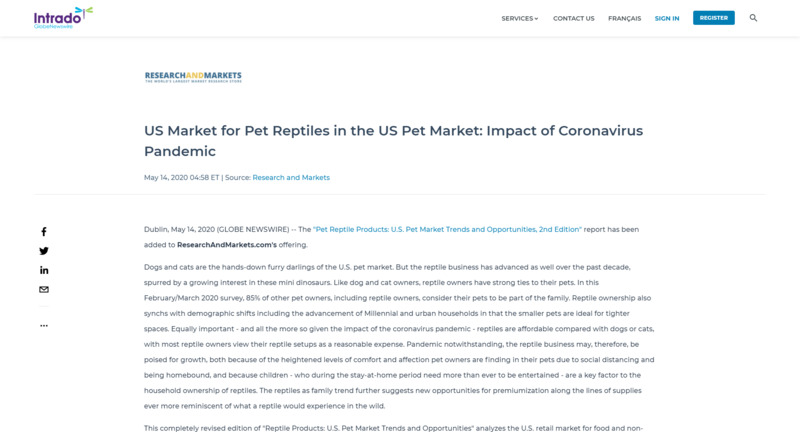
According to the report, during the pandemic, the market increased for pet reptiles. For families not wanting to take on the expense or space requirements of a dog or cat, but looking for an entertaining companion, reptiles make a great choice. They are allergy-friendly as well. The writer of the article anticipates that the trend in pet reptiles will only continue to increase in the years to come.
-
2021-02-04
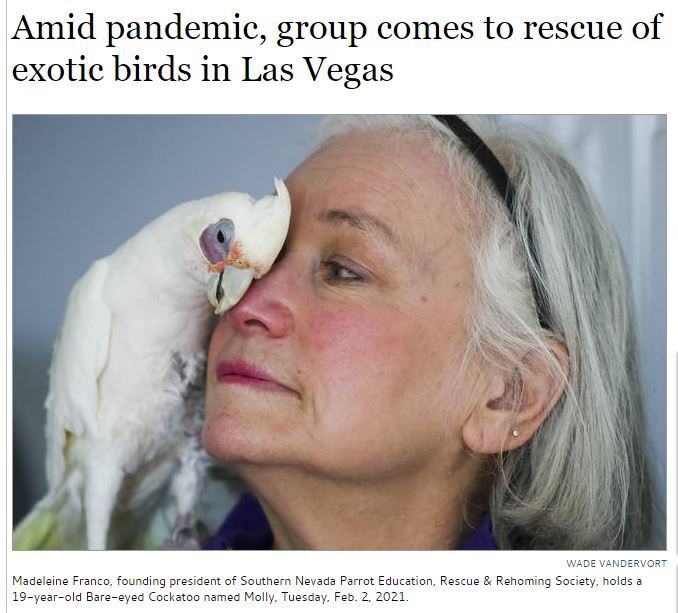
As a parrot owner myself, this story is near and dear to my heart. Amid the national news headlines of dog and cat adoptions sweeping the nation during the pandemic, the opposite is true for our feathered friends. Parrots require a great deal of time, care, money, and space. Most birds easily outlive dogs and cats, and the larger ones often outlive their owners. Parrots can be loud, demanding and messy. They don't respect that you are in a zoom meeting with the CEO or that your neighbor's baby is asleep in the apartment on the other side of the wall. With people working from home, losing income, and/or being hospitalized or passing away from COVID-19, many parrots have been surrendered to rescues.
-
2020-11-09
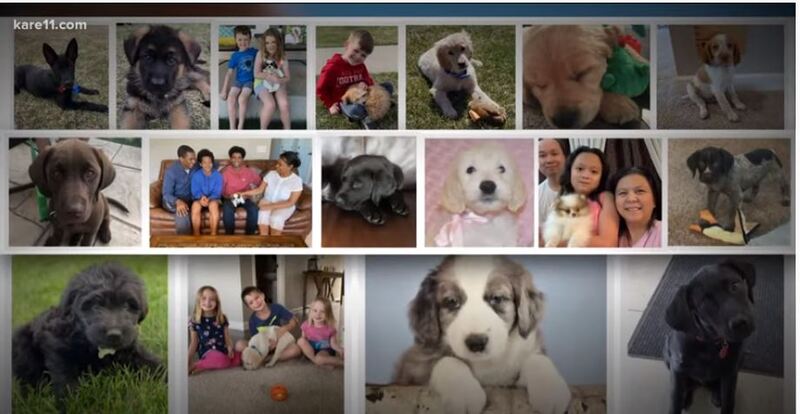
This adorable story uses the example of a neighborhood in Rosemount, Minnesota to demonstrate the trend of families adopting dogs during the pandemic. In this neighborhood, 17 puppies were adopted by 17 families living within 3 blocks of each other, with a surprise 18th at the end of the video.
-

2021-05-08
This story from the BBC talks about how many dogs adopted during the pandemic are being returned to shelters once life returns to normal. Some adopters did not think ahead or understand all the implications of pet ownership. This is a traumatic experience for these poor animals. Also fewer dogs were neutered/spayed during the pandemic, so there is an uptick in the number of puppies needing homes.
-
2020-09-12
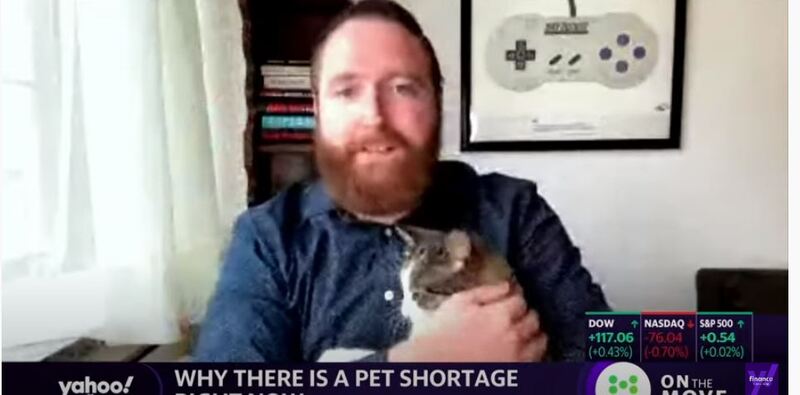
This video talks about the shortage of available dogs for adoption in the United States during the pandemic. It describes the huge demand in the North East, California, etc. but packed shelters in the South. This is a trend that started long before the pandemic. Southern shelters are shipping dogs to shelters in the North for adoption. Millenials and Gen Z people want more pets and are willing to spend more money on their pets. This trend is expected to continue after the pandemic as more people negotiate with their employers to have non-traditional or hybrid work models.
-
2020-05-22
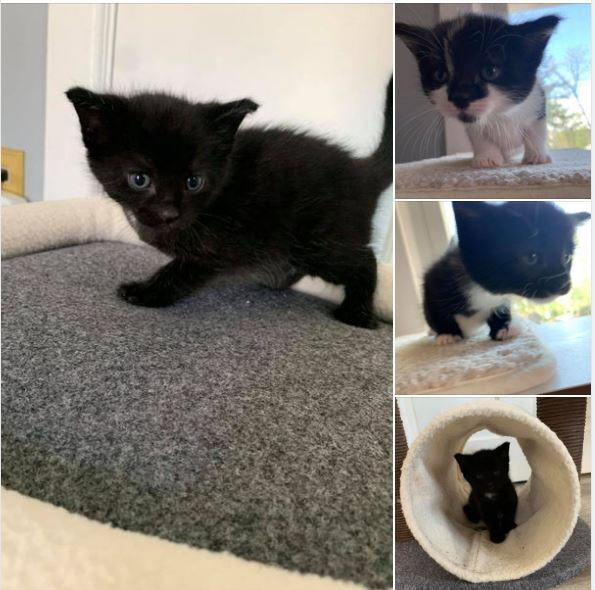
This is a social media post from A Purr-fect Fit Animal Rescue in Buffalo, New York explaining their covid procedure to potential adopters.
-
2021-01-03
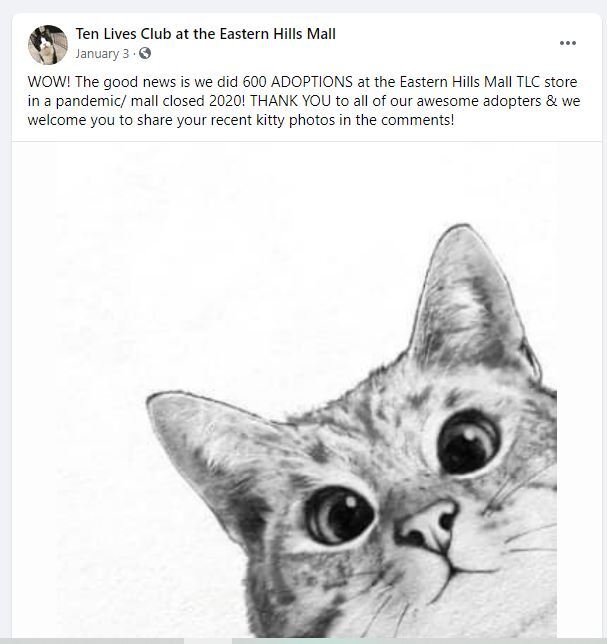
This is a Facebook post from a rescue group that operates out of the local shopping mall. Even though the mall was closed during the pandemic, the group still managed to place 600 cats with their new furever families.
-
2021-01-26
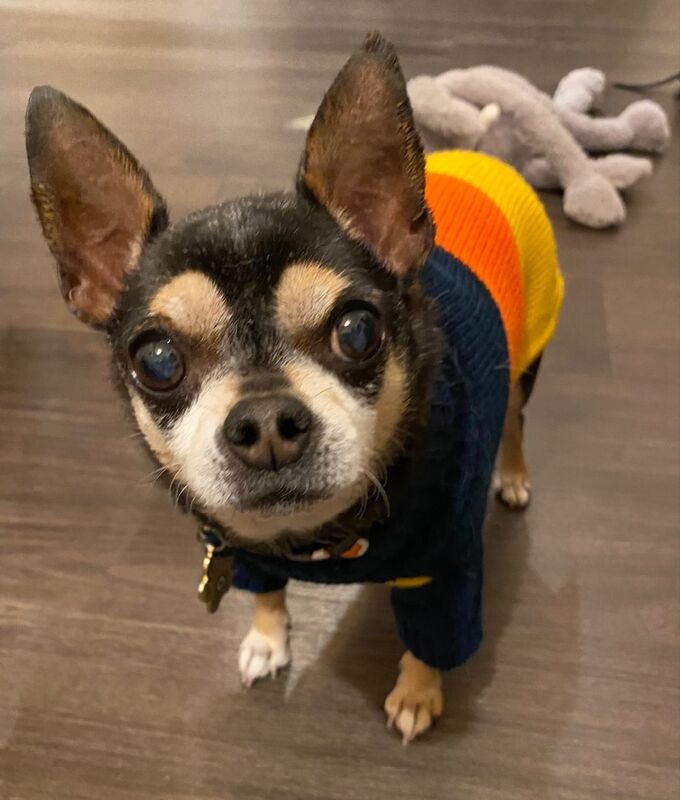
During the pandemic, shelters are having the best problem possible- there aren't enough homeless animals to meet the demand. It is a dream come true scenario for animal lovers everywhere. With more people working from home than ever before, families have more time to devote to a pet. Hopefully the trend will continue, and owners will not surrender their animals after life returns to normal.
-
2020
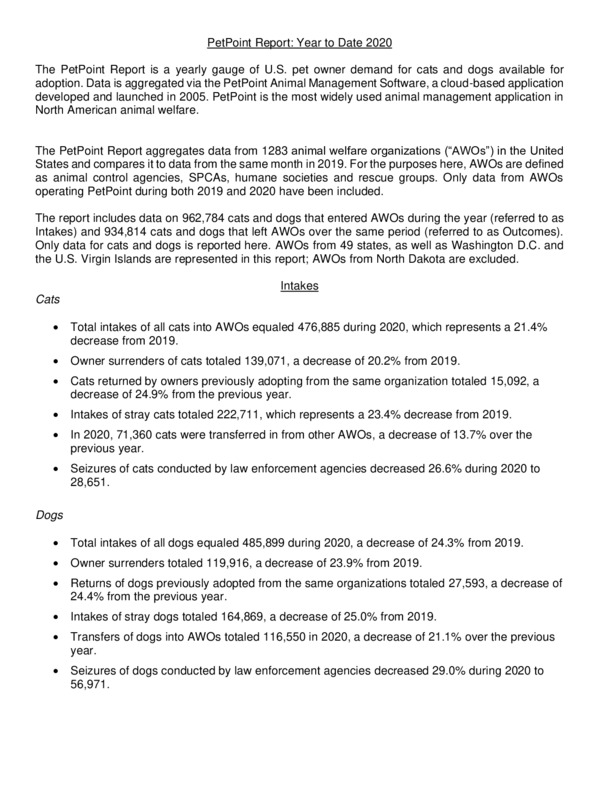
We heard so many wonderful and uplifting stories of pet adoption during the pandemic. If you wanted a dog, particularly a puppy, you most likely had to sit on a waiting list to get one. This anecdotal evidence points toward a huge increase in pet adoption, but what do the numbers tell us? This data report from PetPoint, who has been tracking pet surrender and adoption data nationwide since 2005, paints a slightly different picture. Pet surrenders reduced significantly, so there just weren't as many pets in need of adoption. Pet adoption percentages actually decreased in 2020 from 2019. So the pet adoption boon that we imagined was happening, was not the miracle story that animal enthusiasts were hoping for. As we emerge from the pandemic it will be interesting to look at the final report at the end of 2021 to see if there is a drastic increase in surrenders as many shelters are anticipating.
-
2021-05-13
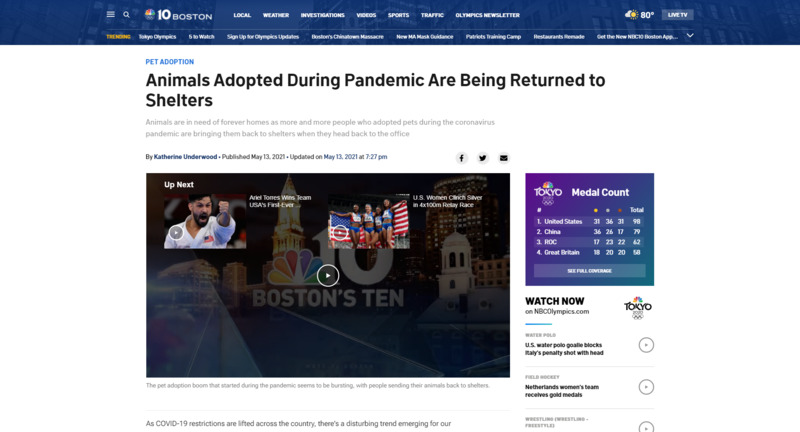
Sadly, as the nation returns to work and activities, pets adopted during the pandemic are paying the price. According to the article, owner surrenders are up more than 80% from this time last year. People did not think far enough ahead about what would happen once the pandemic was over. Now its the poor animals who have to pay the price. When will people learn that animals are not toys to be thrown away when it becomes inconvenient?
-
2021-06-19
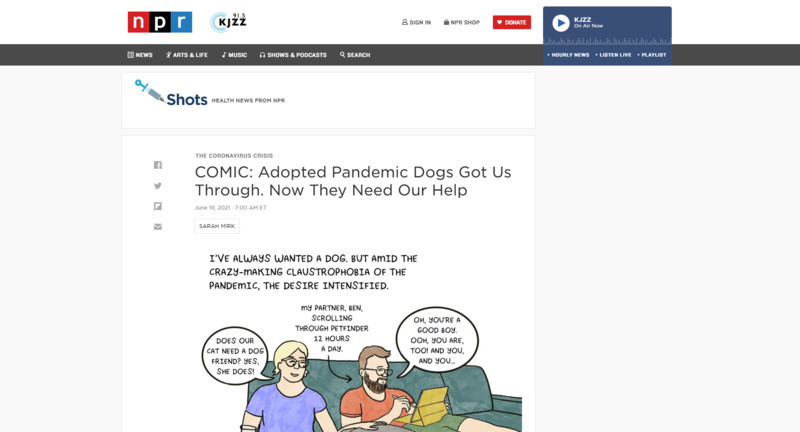
This comic is fun, engaging, and informative. It talks about the increase in pet adoption during the pandemic and how pets helped a lot of people deal with emotional trauma. It cautions would-be pet owners not to jump blindly into adopting and to think about what will happen when life returns to normal. Separation anxiety can be difficult for pets to deal with, and owners need to have a plan for that.
-

2021-07-01
Over the past year, I have made significant progress with my mental health. It wasn't until the world told me to stop and stay at home that I realized I wasn't living. I had to examine myself and face my feelings. I realized that my cup was empty and I didn't have the capacity to care for myself. Despite the fact that I still have a lot to do, I feel more optimistic about the future for the first time in a long time. For this, I am truly grateful. What I hope for myself and others is that we make peace with our pain and fears and that we can find the beauty in our struggle.
-
2021-06-24
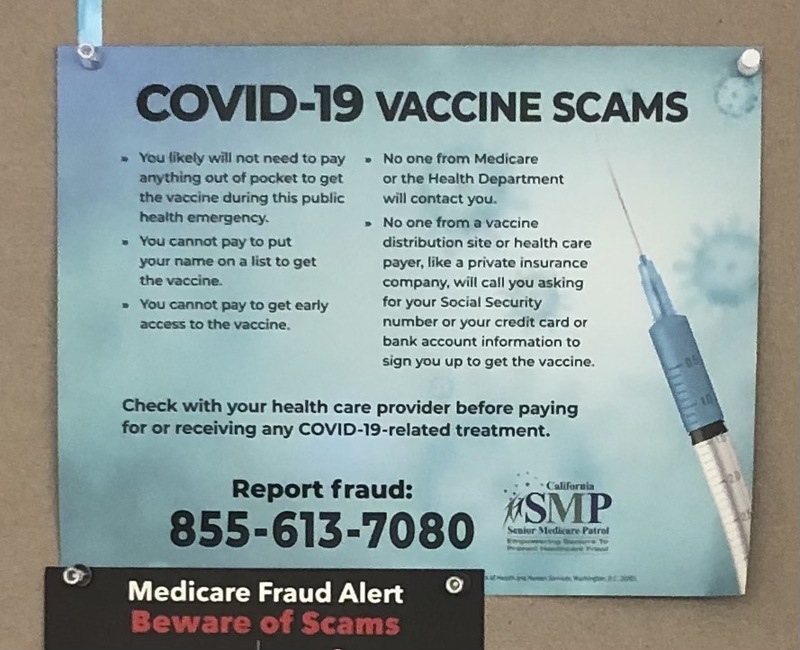
When I visited the library today, I noticed in the large assortment of flyers on the community posting board a flyer warning about COVID-19 scams. The flyer is from the California Senior Medicare Patrol, and mentions a variety of different scams related to vaccine distribution that people should avoid. It also provides a hotline phone number. The photo was taken on June 24, 2021.
-
2021-06-23
Crowded room, felt a
Prick. Yay I’m vaccinated.
Now I’m in pain…. Great :/
-someone during the vaccine day
-
2021-06-23
Turn on video
All eyes on me, exposing
Me, I turn it off…
-discouraged student
-
2021-06-23
Stub my toe on chair
Scream bloody murder, oh shit!
Mic was unmuted ;c
-someone who just exposed themselves on a zoom call
-
2021-06-23
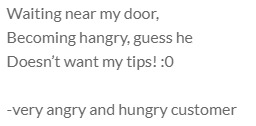
Waiting near my door,
Becoming hangry, guess he
Doesn’t want my tips! :0
-very angry and hungry customer
-
2021-06-23
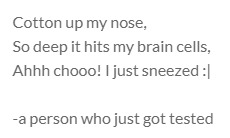
Cotton up my nose,
So deep it hits my brain cells,
Ahhh chooo! I just sneezed :|
-a person who just got tested
-
2021-06-23
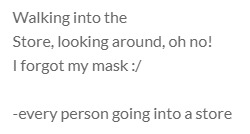
Walking into the
Store, looking around, oh no!
I forgot my mask :/
-every person going into a store
-
2021-06-23
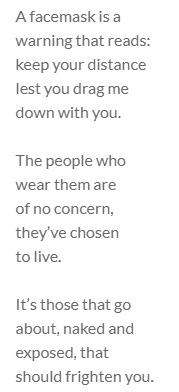
A facemask is a
warning that reads:
keep your distance
lest you drag me
down with you.
The people who
wear them are
of no concern,
they’ve chosen
to live.
It’s those that go
about, naked and
exposed, that
should frighten you.
-
2021-06-18
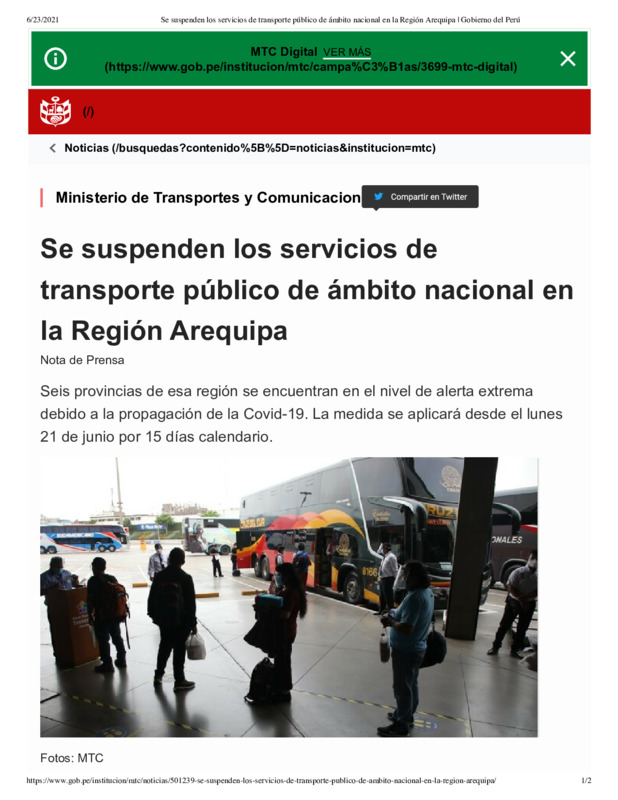
My mother-in-law has been here since last February (2020). She came for a visit from Peru and got stuck by the pandemic. She's traveling home July 1st, but Arequipa, Peru just initiated another lockdown. There's no land or air travel into Arequipa starting June 21 and lasting at least 15 days. Essentially, she'll get to Lima, Peru, and have to wait until she can travel. We considered postponing her return, but the changes in airfare are prohibitively expensive. Also, I'm pretty sure she's more than ready to get home after such an extended stay. The reason for the lockdown is the high mortality rate in Arequipa.
-
2020-05-25
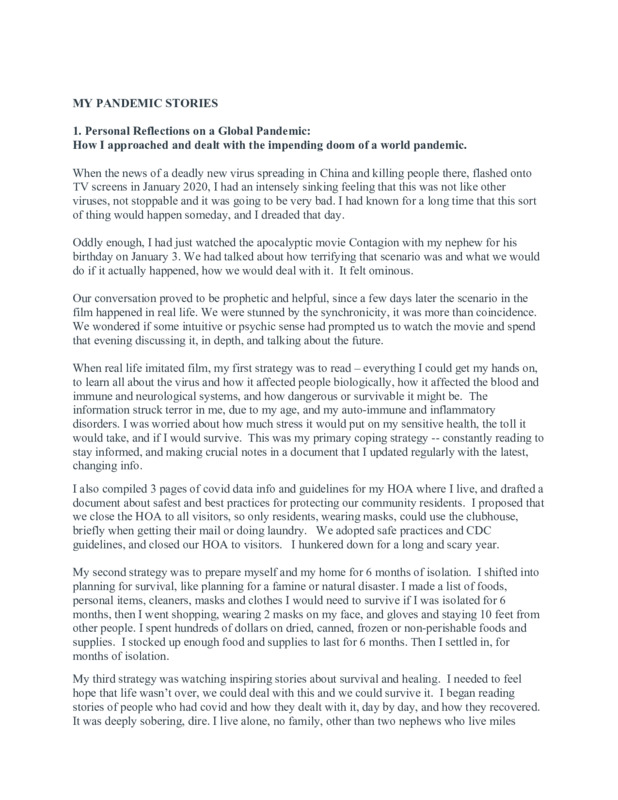
Story 1 -- Personal Reflections on a Global Pandemic: How I approached and dealt with the impending doom of world pandemic.
Story 2 -- Global History during a Global Pandemic: How my study of global history in Spring 2020 helped me deal with a global pandemic
Story 3--Double Jeopardy: Pandemic + Earthquake = Stress: How a major quake in March 2020 intensified the Pandmic arrival in Utah
-
2021-06-16
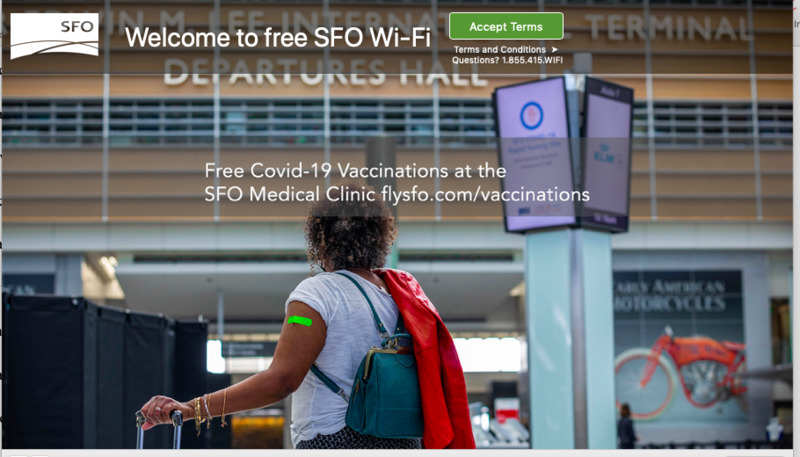
The SFO airport is now offering 1-shot vaccines at a medical clinic. I never would have imagined in 2019 that you could get vaccinated in an airport, but clearly the priority is on increasing the number of vaccinated people in the U.S. It sounds convenient, as no appointment is needed.
-
2021-04-02
This article demonstrates that despite the inequities faced by Native Americans and indigenous populations they have been innovative in combatting the pandemic and shown strength in the face of fear, illness, and uncertainty.
-
2020-10-22
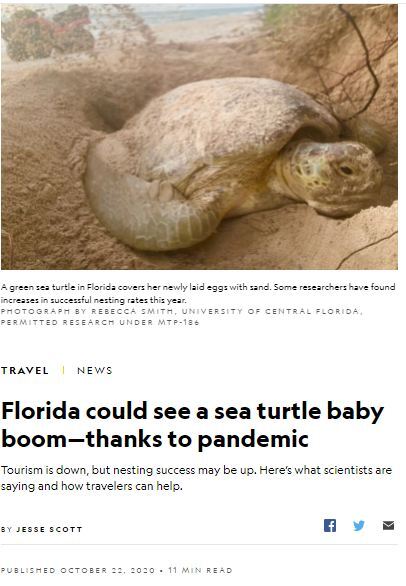
As an animal lover, one of the best things about the pandemic was the many stories of animals in the wild and in zoos breeding more successfully. Turtles around the globe were able to return to traditional nesting sites without the interference of tourists and beach goers. National Geographic published this article about nesting turtles in Florida. Some say the pandemic made a big difference in nesting success, others are less convinced. They also point out that the pandemic has caused increased poaching due to economic hardships. Finally, the article also sheds light on the ongoing problems turtles face due to climate change.
-
2020-12-12
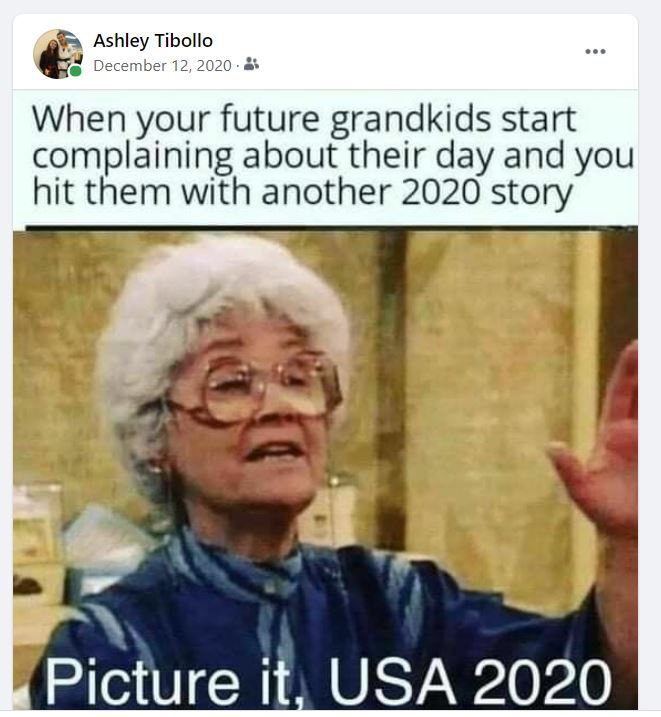
I shared this meme on my Facebook page on December 12, 2020. It uses a popular line from the character Sophia from the hit TV series The Golden Girls. In the show, Sophia would always start a humorous story about her life in Sicily with the phrase, "Picture it, Sicily 19xx..." I love that show and that character, so when I saw this meme I had to share it because I could picture myself doing this to my future grandkids. It made me laugh about a dark time, and think about life beyond the pandemic. Those of us who are lucky enough to survive it will definitely have one heck of a story to tell.
-
2021-06-20
I spent the first few weeks of the pandemic and subsequent banishment to my home by my workplace eating bag after bag of potato chips. Something about crunching down on food was calming to me. I didn’t eat a lot of other food; when I am stressed, my digestive system is the first body part to put up a fuss, so besides the therapeutic potato chips, I didn’t feel much like eating. I don’t own a scale and didn’t feel that I was putting on weight, but one day I looked at my dog, who was the recipient of the chips I had dropped on the floor, and thought to myself that he if had gained weight. I made the leap in thought that if he had gained weight, perhaps I had too.
I had to redefine my notion of comfort food from fatty food that crunched to food that truly comforted both my digestive system and my nervous system. This food was comprised of roasted veggies (to get that crunch!); veggie, protein powder, and fruit smoothies to give me the nutrients to deal with pandemic stress; and nuts and fish such as salmon for omega-3 fatty acids to counteract inflammation, fight depression, and nourish those brain cells so necessary to deal with all the changes required by the pandemic.
All these changes in my daily food menu have had a massive and positive effect on me. I’m calmer, my intestines aren’t complaining, and I have more energy. And, I've maintained a health weight. I haven’t gained weight. Before the pandemic, I hated to cook and mostly just ate to survive without paying much attention to what I was putting in my body. The pandemic and its accompanying stress forced me to realize that the quality of one’s life is truly related to the quality of one’s food choices. Healthy food is truly comfort food.
-
2021-06-20
The pandemic torpedoed a very important trip for me – a trip paid for by my place of business to attend a conference in London and give a presentation on an archival project and connect with fellow librarians. I intended to bracket my trip with a visit to Ireland, the home of my ancestors, and conduct some genealogical research. To say I was disappointed is an understatement. I probably won’t be working at my current workplace when the next conference is held (once every three years), so I don’t expect to have the opportunity to get a free trip to a lovely part of the world from them in the future. And I need to have boots on the ground to conduct more research: following up on facts and documents my family has shared with me and which I wanted to confirm or debunk during my research in Ireland. So my genealogy work has stalled as well. There hopefully will be opportunities in the future to visit the UK, to conduct research in Ireland, and to attend conferences, but the perfect combination of all of these that had been arranged for summer 2020 is lost forever. Since I live in a very hot locale during the summer months, and count on getting out of town to maintain my sanity, I wasn’t able to create a staycation to counteract the lost of this trip and vacation—unless you count being huddled in the coolest room in my home with my feet in a kiddie pool sipping mojitos and reading travel and Irish history books to be an acceptable alternative. Although, come to think of it, those mojitos were pretty good.
-
-2021-06-20
I am an individual over 60, which means that my aunts, uncles, and cousins are also over 60, and several are in their 80s and 90s. Luckily I haven’t been separated from family members younger than me, but because of the health and safety concerns for older individuals, I haven’t been able to meet with these older family members during the pandemic. I’ve found that my older family members don’t enjoy connecting through technology, as they know that doing so, although better than not connecting at all, is a poor substitute for face-to-face connections. Trying to communicate over Zoom results in frustration and dissatisfaction for people who are used to another way of communicating, a way where body language, touch, and energy are important components of the conversation. So the level of connection with these individuals has declined greatly during the pandemic, as we haven’t been able to meet in person and our technology-driven connections have been unsatisfactory or infrequent. The lack of connection is particularly sad as this demographic is more likely to fall ill with the virus or suffer another illness, or even death, and I may not have another chance to see them. I’ve lost an uncle to the virus this past year already. I’ve gone without seeing friends this past year, but I fully expect to be able to see them again in the future; with my older family members, this connection in the future is far less certain. The lack of connection is also sad because these individuals have lived long lives and encountered hardships, including diseases and public health scares, and their advice and history would be sources of comfort and knowledge for these times.
-
2021-06-19
The Museum of the San Ramon Valley is well on its way to being back to normal. On June 15th, California officially reopened, which amongst other things meant there were no restrictions on how museums could operate. This means we can finally operate at full capacity. Even when we could only operate at 25 percent capacity we never hit our upper limit of guests, so capacity wasn't ever really a problem. That is something that concerns me as the museum reopens; that we will have low attendance. I was able to work at the museum a few times in the middle of the pandemic, and I never worked a day where we had more than thirty total guests (including people who were merely looking for a restroom or asking for directions to something, who did not pay to look at the exhibits - we had probably no more than 20 or so paying customers per day).
We also don't need to impose mask mandates as of June 15, but the museum's board of directors decided to keep our mask mandate. However, if someone comes in without a mask and doesn't want to take a free one then we will still allow them into the museum. I am not concerned by this because I am vaccinated, and even if I wasn't there is a very low likelihood of getting sick.
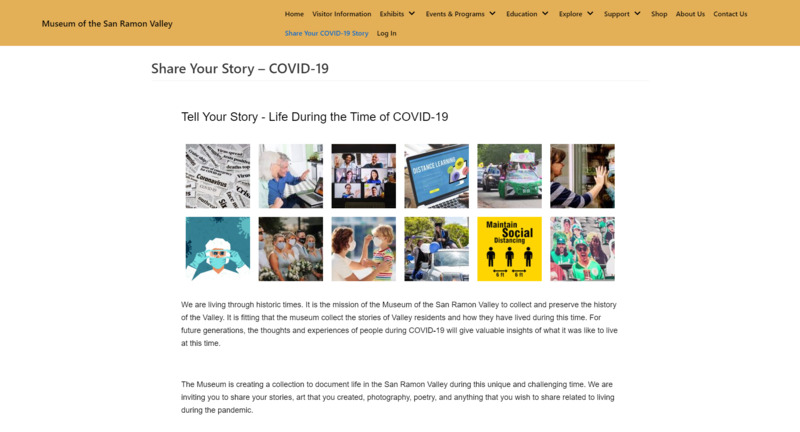
We have not done any exhibits related to COVID yet. Starting last year and continuing this year we have an exhibit on the 100th anniversary of the ratification of the 19th Amendment, with a focus on our local area. This is in addition to our regular exhibits. Starting today (June 19) we also have our train exhibit for a month, which is a model train display with models of local historical buildings (and other things, like a UFO and more non-history-related things). The model train exhibit always brings in little kids with their families, so hopefully that improves museum attendance. Most of our attendance comes from families with little kids, older Baby Boomers, and the elderly. The museum needs to improve on attracting people in their teens and twenties in order to earn more. Hopefully, a COVID exhibit can do that by making history more personal. On our website, we have a story collection form for people to share stories of COVID, much like JOTPY, but I do not know what we will be doing with those responses. When I physically work at the museum next I have a bunch of items from last year (inspirational painted rocks, city council and school board campaign materials, masks) that I will donate, and hopefully, those and other items find their way into an exhibit.
-
2021-06-18T17:20
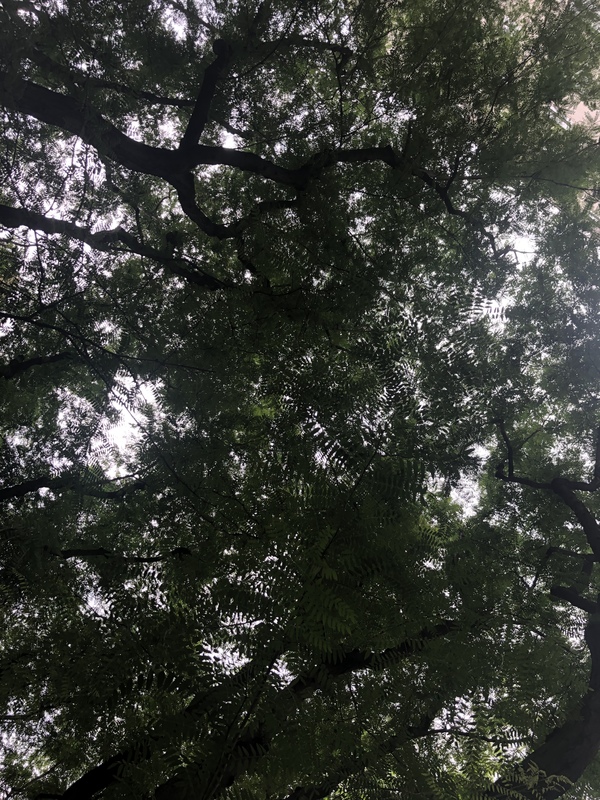
When I visited New York, one of the places I went to was Greenacre Park in Manhattan. The small, house-sized park is a wonderful example of nature in the middle of a mass of high-rises, with a wall of ivy, a waterfall, and many trees. There were about 15 people there, all doing various things. A man was working on his computer, as can be seen in one of the photos. Quite a few people were on their phones. Meanwhile, a group of tourists took a selfie photo, and a pair of elderly women shared a carton of fruit nectar. Underneath a canopy, others sat and read or worked. It was nice to see people still enjoying nature as the pandemic finally winds to a close. I also thought it was interesting how many people were using technology (including me!) in a natural space apparently meant to provide a break from the rush of normal life.
-
2021-06-11
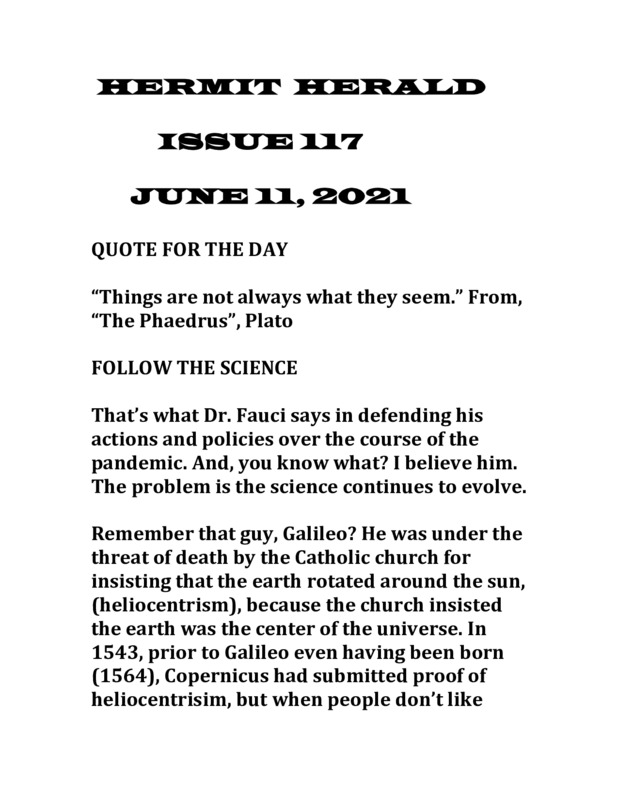
COVID 19 AND EVOLVING SCIENCE
-
2021-06-01
Ransomware made easy
-
2021-03-16
Middle school Spanish teacher, Avilette de Castro, answers student questions about changes to education in the coronavirus pandemic.
Walls: What is your name, grade you teach and school you teach in?
de Castro: Avilitte Castro, Sebastian Middle 7-8th grade Spanish
Walls: How has the pandemic changed the way you teach?
de Castro: So, the biggest thing is that I feel like I haven’t taught enough, like I'm putting stuff out there and it’s not sticking. Before the pandemic there was more engagement and now there isn’t. Especially with those that are DL’s (distance learners).
Walls: What was the biggest challenge in the beginning?
de Castro: We were not prepared as teachers at all for what we had to do. I had never taught online before and I had to try to adapt everything online. Not everyone showed up. It’s not high school, they don’t think that it counts. They don't realize that even though their grades won't neccessarily carry on to high school, everything else will.
Walls: What is the biggest challenge now?
de Castro: So now, it’s mostly back to normal in some senses. We haven’t had any kids go into quarantine in awhile and I’m down to only 3 DL’s and I don't know if the kids are fully into it. I always have the thought that we could go back into quarantine. We just adopted a new textbook and I have to tell that book as well. The EOC (End of Course Exam) for this year is being used from this new book. I am adapting everything, but not able to get a hold of everything. I am learning this new book as well as my students.
Walls: How do you think students are doing? What are their biggest challenges?
de Castro: I don’t think, for me, I really don’t think I’ve taught them as well as I normally do. I hate to say this because it’s not quite bad. Some of my students aren’t doing anything, because they don’t think it will count. The other thing for me, I do a language class. A big part of my class is conversation. I don’t let them work in groups and they aren’t able to get the conversation that they used to get. Right now we are doing a food unit. They don’t get the reaction in conversations.
Walls: Do you see anything beneficial coming from the changes you have had to implement?
de Castro: Oh yeah. For me, doing stuff with technology has always been supplemental instead of part of the curriculum. Like if I post this you can have it and now everything is online. The kids have access to it online, doesn’t mean the students use the extra resources. I’ve been having to use the textbook website and it’s something that they can do anywhere that they are at. It’s an added resource, so it's a benefit for them.
Walls: How has parent involvement changed during the pandemic?
de Castro: No, one of my DL’s has his guardian sister with him the whole time and it’s a little nerve racking to have her hear me the whole time. It’s pretty much the same overall.
-
2021-04-01
High school AP teacher, Paige Bagby, answers questions about the changes to education during the coronavirus pandemic.
Walls: Your name, grade you teach, school you teach in.
Bagby: Laura Bagby, 10th and 11th grade AP-US and AP Psych, Creekside High School
Walls: How has the pandemic changed the way you teach?
Bagby: Synchronous teaching model. Difference between what the expectation was last year to this year. End of last year, feeling like we are making this up as we go along. Not required to do in person conferences, although most of us did. Pre-recorded. Only 2 assignments a week. School did give out computers and that took a while. Internet is spotty in some areas. Didn’t want to overwhelm family and kids. Teach all AP classes, college board announced a bridge of the exam that doesn’t include anything from the start of quarantine. This year, this feels normal, which is weird. The big expectation is to live stream your classes. The teaching doesn’t feel much different besides the fact that I have to carry my computer around. Standards have dropped. No way of monitoring if students are using their notes or books or computer. Everything is open book and notes. We’ll see what it looks like with the standardized tests. Maybe with students using their books and notes it’s helping them. All the requirements are the same. No group work, a lot more lectures. This year we have to post everything online and they want to minimize handouts. Just about everything is online. We have shields at the desks and students will hide their phones.
Walls: What was the biggest challenge in the beginning?
Bagby: The biggest challenge in the beginning was convincing everybody that school was still happening. I had some students drop off the face of the earth for the first couple of weeks. I had a rumor that some students weren’t doing work because they thought none of the work counted. Some showed up to the conference but didn’t do work and some didn’t show up or do work. You never really know if your distance learners are there. You’ll see their name but you can’t actually see them. I’ll look and see that a distance learner hasn’t started their quiz yet, because they aren’t at their computer. I will say I have some distance learners who are doing the absolute best.
Walls: What is the biggest challenge now?
Bagby: The buy in. Getting students to understand that this is still school and that they still have to do the work.
Walls: How do you think students are doing? What are their biggest challenges?
Bagby: I think that it all depends on the individual student. Some students are looking at this pandemic like it’s a big joke. I’ll overhear conversations where they talk about getting Covid so they can have two weeks off. Some of them aren’t taking it seriously at all. I have a student whose father died and parents who’ve lost their jobs and multiple students whose parents have separated or divorced from the pressures that this puts on the relationship. It really depends on their home situation. There are students that are really struggling, but I guess thats true every year. On the whole the grades are good, but there is an individual case of the student. It takes what you see throughout the whole year amplified. Normally APUSH is difficult and some students are making solid A’s, it isn’t a bad thing.
Walls: Do you see anything beneficial coming from the changes you have had to implement?
Bagby: I would say that it’s been a real exercise in communication. I think that; for instance, for older teachers who refused to use technology have really stepped it up. I think a lot of them are tired too. The idea of being flexible and embracing something new. If I've learned anything at all from teaching in the pandemic, it is flexibility. Be flexible. I’ve had to learn to let go. I don’t know. I’ve always heard the argument that technology is going to replace teachers. I hope that people have grown a new respect for teachers. I feel like most parents around the country have learned that their child learns better in the classroom and not online. We still need classrooms.
Walls: Are you noticing a change in parent involvement?
Bagby: My parents, by the way, have been wonderful this year. I have this one family, their son is distance learning and each quarter they send an email to the teachers thanking them and they give us presents.